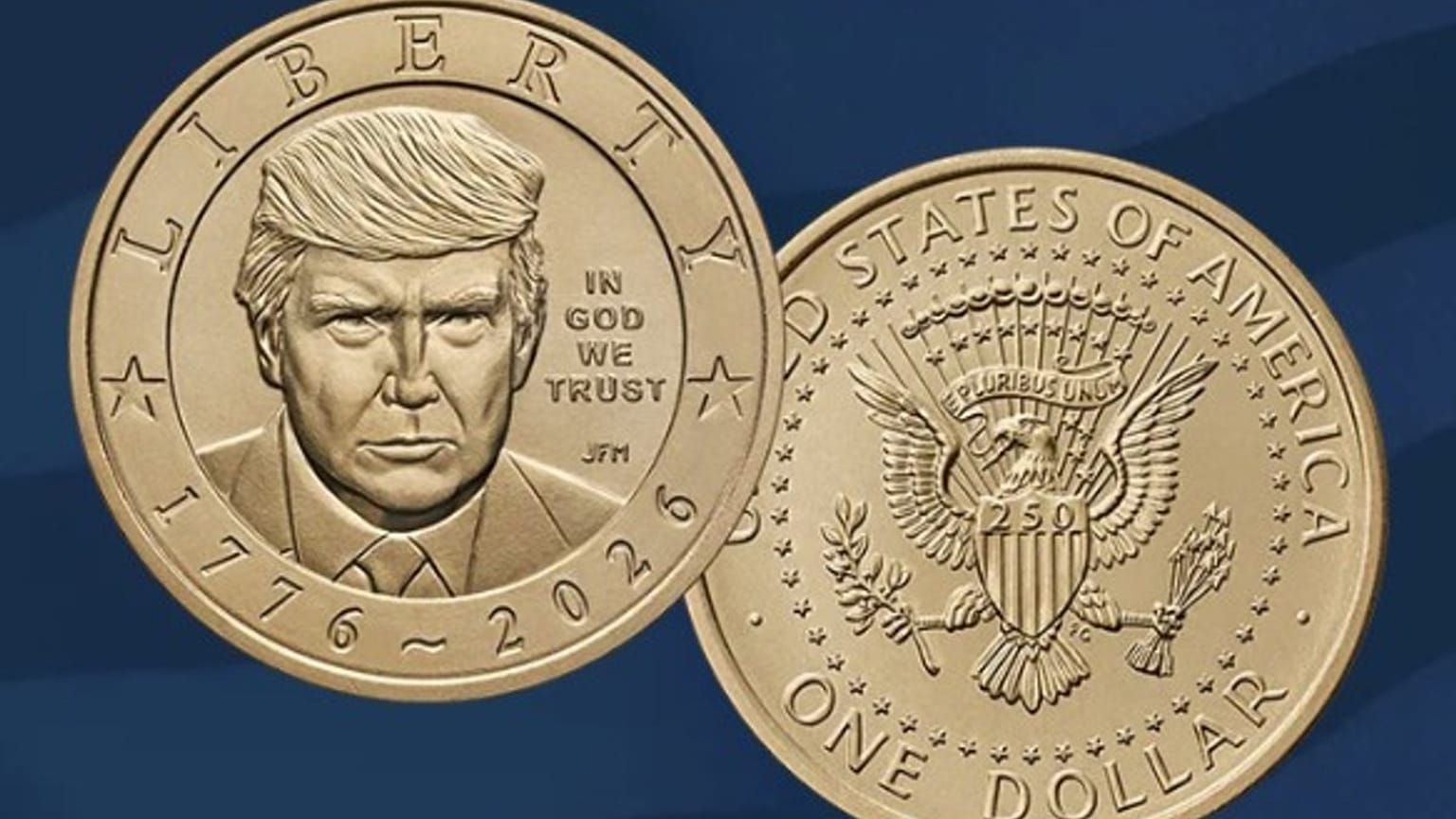
The United States began as a loose group of independent states before evolving into a unified federal government, shaped by conflict, compromise, and the need for stability.
The United States did not begin as the strong, unified country people recognise today. It started as thirteen separate colonies along the eastern coast of North America, each with its own identity, economy, and local leadership. When tensions with Great Britain escalated in the 18th century, these colonies found themselves pushed toward a shared cause. The American Revolution was not just a fight for independence, it was the beginning of a complicated journey toward building a nation.
In 1776, the colonies declared independence through the Declaration of Independence, but becoming free was only the first step. The real challenge came afterward. Each state had its own government and priorities, and there was deep hesitation about creating a powerful central authority. Many feared simply replacing one distant ruler with another. So instead of forming a strong national government, they created a loose alliance under the Articles of Confederation.
That system, however, quickly showed its weaknesses. The central government had very limited power. It could not enforce laws effectively, collect taxes directly, or regulate trade between states. Decisions required agreement from multiple states, which made action slow and often impossible. The country was technically united, but in practice it felt fragmented. Economic problems, internal disputes, and a lack of coordination made it clear something had to change.
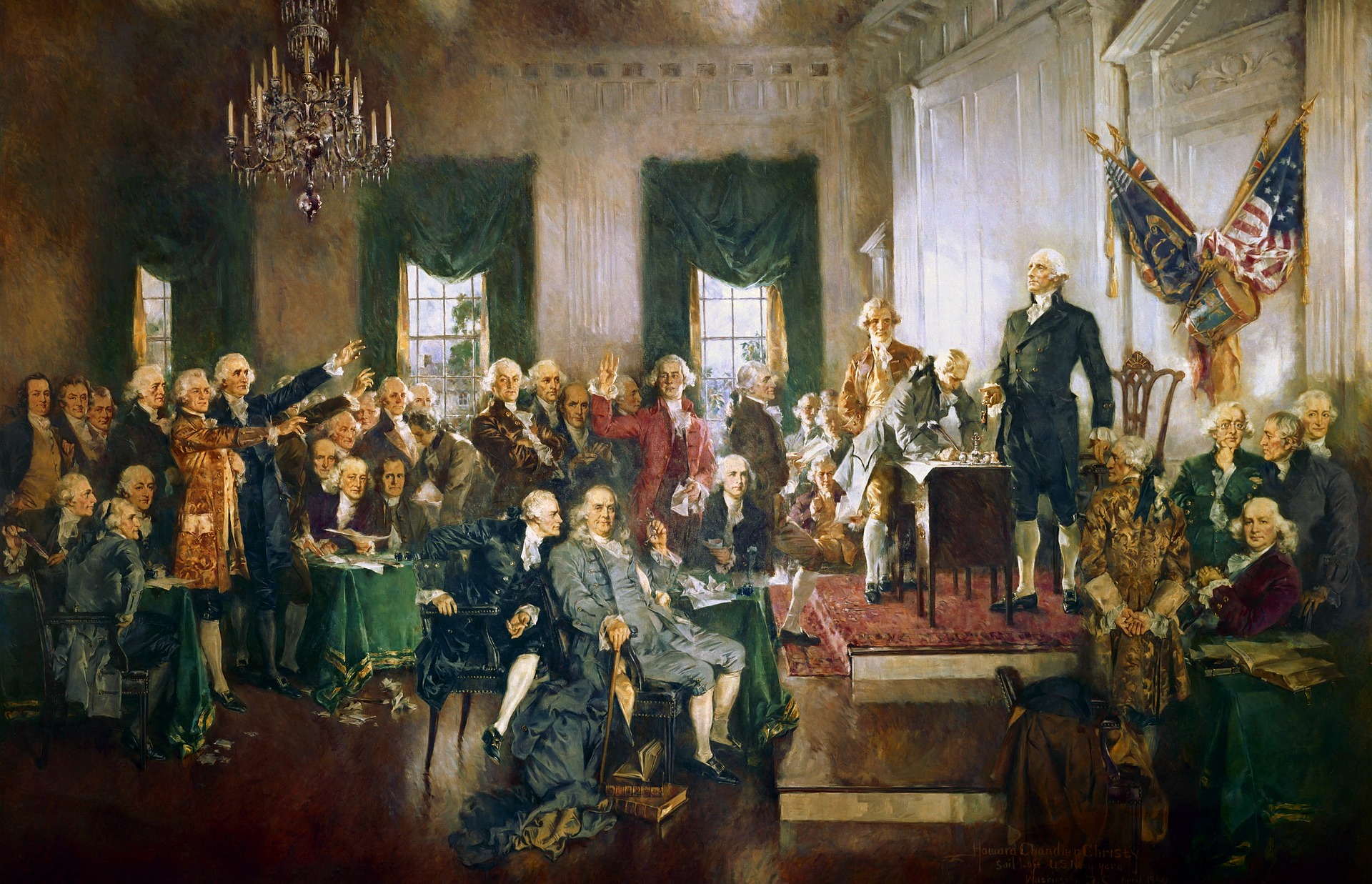
By 1787, leaders gathered in Philadelphia for what became known as the Constitutional Convention. Originally, the goal was to fix the existing system, but discussions quickly shifted toward creating something entirely new. The result was the United States Constitution, a document that would reshape how the country functioned.
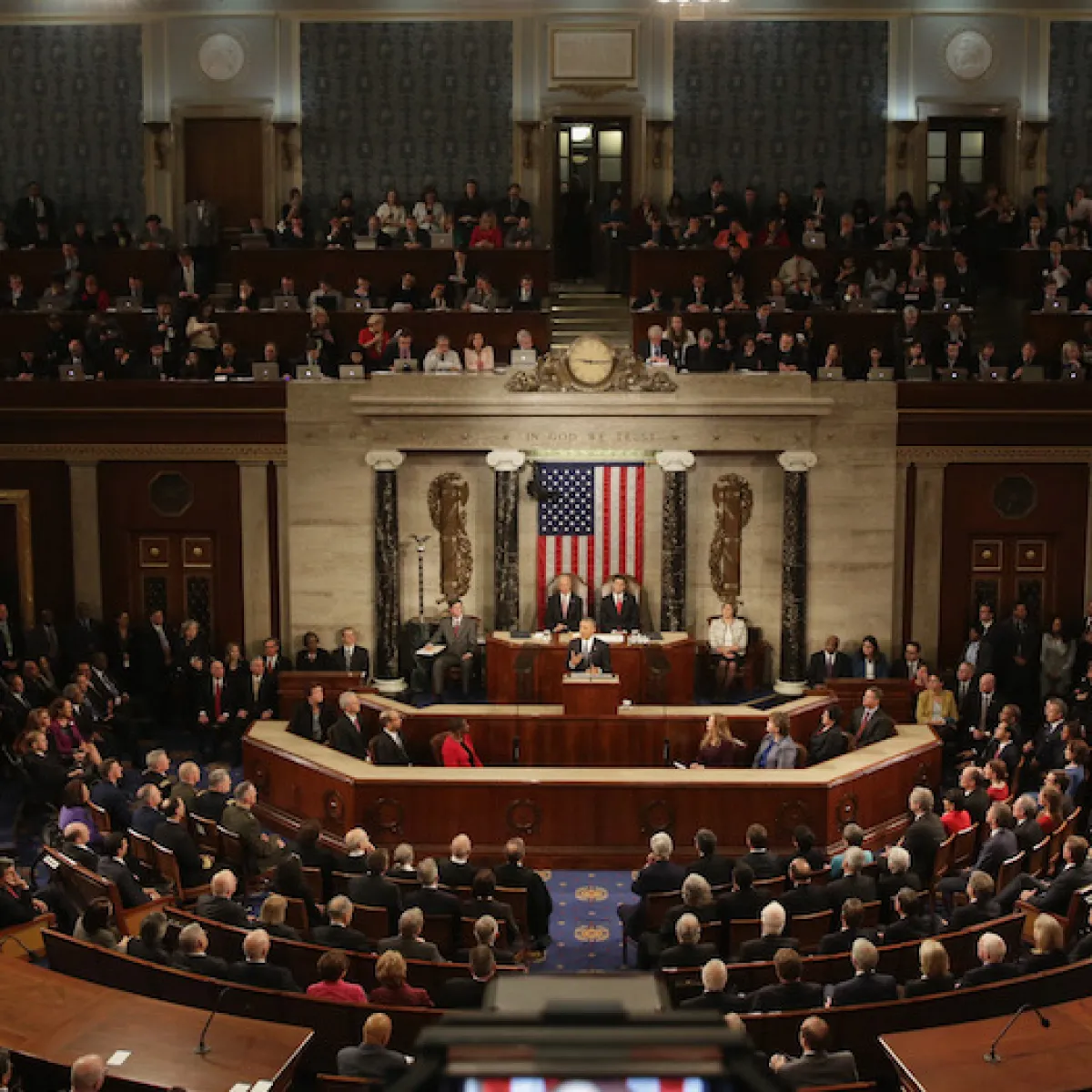
The Constitution introduced a federal system, balancing power between the national government and the individual states. It established three branches of government, legislative, executive, and judicial, designed to keep each other in check. This structure was not perfect, and it required compromise. Larger states wanted more influence, while smaller ones feared being overshadowed. The solution was a system that gave representation based on both population and equality among states.
Even after the Constitution was written, it was not immediately accepted. States had to agree to ratify it, and debates were intense. Some worried it gave too much power to the central government, while others believed it was necessary for stability and growth. Eventually, enough states approved it, and the new government officially came into effect in 1789.

Over time, the United States government continued to evolve. Amendments were added, rights were expanded, and the balance between state and federal power shifted as the country grew. What started as a cautious union of independent states gradually became a stronger, more coordinated nation.
Looking back, the formation of the United States was not a single moment but a process shaped by uncertainty and negotiation. The early leaders were not just building a country, they were testing an idea. The fact that a group of separate states could come together under one system of government was far from guaranteed. Yet that experiment laid the foundation for one of the most influential political systems in the world, and its impact is still being felt today.
Keep in touch with our news & offers
Subscribe to Our Newsletter
Thank you for subscribing to the newsletter.
Oops. Something went wrong. Please try again later.