Apple’s iPhone continues to dominate the global smartphone market, driven by brand loyalty, ecosystem strength, and consistent demand despite growing competition.
The grip that the iPhone has on the global smartphone market doesn’t seem to be loosening anytime soon. While competitors continue to push new designs, features, and pricing strategies, Apple’s flagship device keeps finding its way back to the top, both in sales and influence. It is not just about selling phones anymore. It is about controlling an entire ecosystem that keeps users locked in, often without them even realising it.
What makes this dominance more striking is how Apple manages to hold its position without competing in the same way as others. Many Android manufacturers rely on aggressive pricing, constant hardware upgrades, and wide product ranges. Apple, on the other hand, releases a limited number of models each year, often at premium prices, and still sees strong demand. For many consumers, the iPhone is not just a device but a status symbol, a familiar tool, and part of their everyday routine.
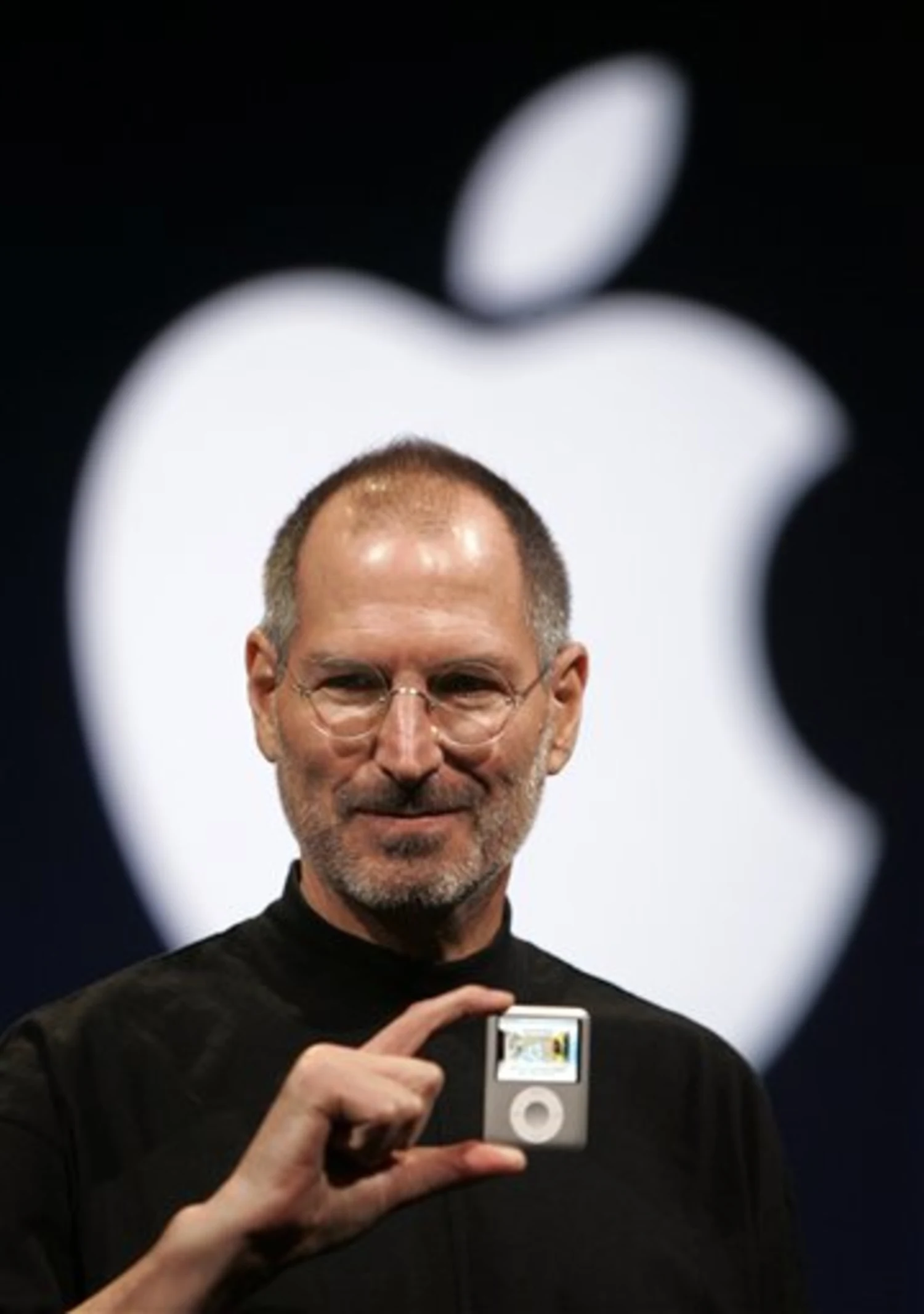
A big part of that success comes from Apple’s ecosystem. Products like the Apple Watch, AirPods, and Mac computers are designed to work seamlessly together, creating a smooth experience that is difficult for users to walk away from. Once someone is invested, switching to another brand can feel like starting over. Messages, photos, apps, and even habits are tied into that system. That kind of integration has quietly become one of Apple’s strongest advantages.
There is also the matter of trust. Over the years, Apple has positioned itself as a company that values privacy and security, something that resonates more as concerns about data usage grow. While competitors offer similar features, Apple has been more consistent in how it communicates that message. For many buyers, especially in higher-income markets, that reputation matters as much as the phone itself.
Still, the dominance is not without challenges. Android manufacturers continue to innovate, often introducing new technology first, whether it is folding screens, faster charging, or camera advancements. Companies like Samsung and emerging Chinese brands are not standing still. They are gaining ground in different parts of the world, especially where price plays a bigger role in consumer decisions. In regions like Asia and Africa, Apple’s share is smaller, and competition is fierce.
Yet even in those markets, the iPhone holds a certain appeal. It is often seen as aspirational, something people work toward rather than buy immediately. That perception alone helps maintain Apple’s global image, even where it does not lead in volume.
Analysts point out that Apple’s strategy is less about dominating every segment and more about owning the most profitable part of the market. And on that front, it continues to outperform. While other companies may sell more units overall, Apple consistently captures a large share of the industry’s profits. That financial strength allows it to invest heavily in design, software, and marketing, reinforcing the cycle.
Looking ahead, the question is not whether the iPhone will remain relevant, but how long it can sustain this level of influence. Technology moves quickly, and consumer expectations change just as fast. But Apple has shown an ability to adapt without completely reinventing itself, which might be the key to its staying power.
For now, the iPhone remains the benchmark. Competitors may close the gap in certain areas, but the combination of brand power, ecosystem control, and customer loyalty keeps Apple firmly in front. Whether that lead shrinks or grows will depend on how the next wave of innovation unfolds, but it is clear the company is not giving up its position easily.
It will be as simple as Occidental; in fact, it will be Occidental. To an English person, it will seem like simplified English, as a skeptical Cambridge friend of mine told me what Occidental is. The European languages are members of the same family.
Keep in touch with our news & offers
Subscribe to Our Newsletter
Thank you for subscribing to the newsletter.
Oops. Something went wrong. Please try again later.