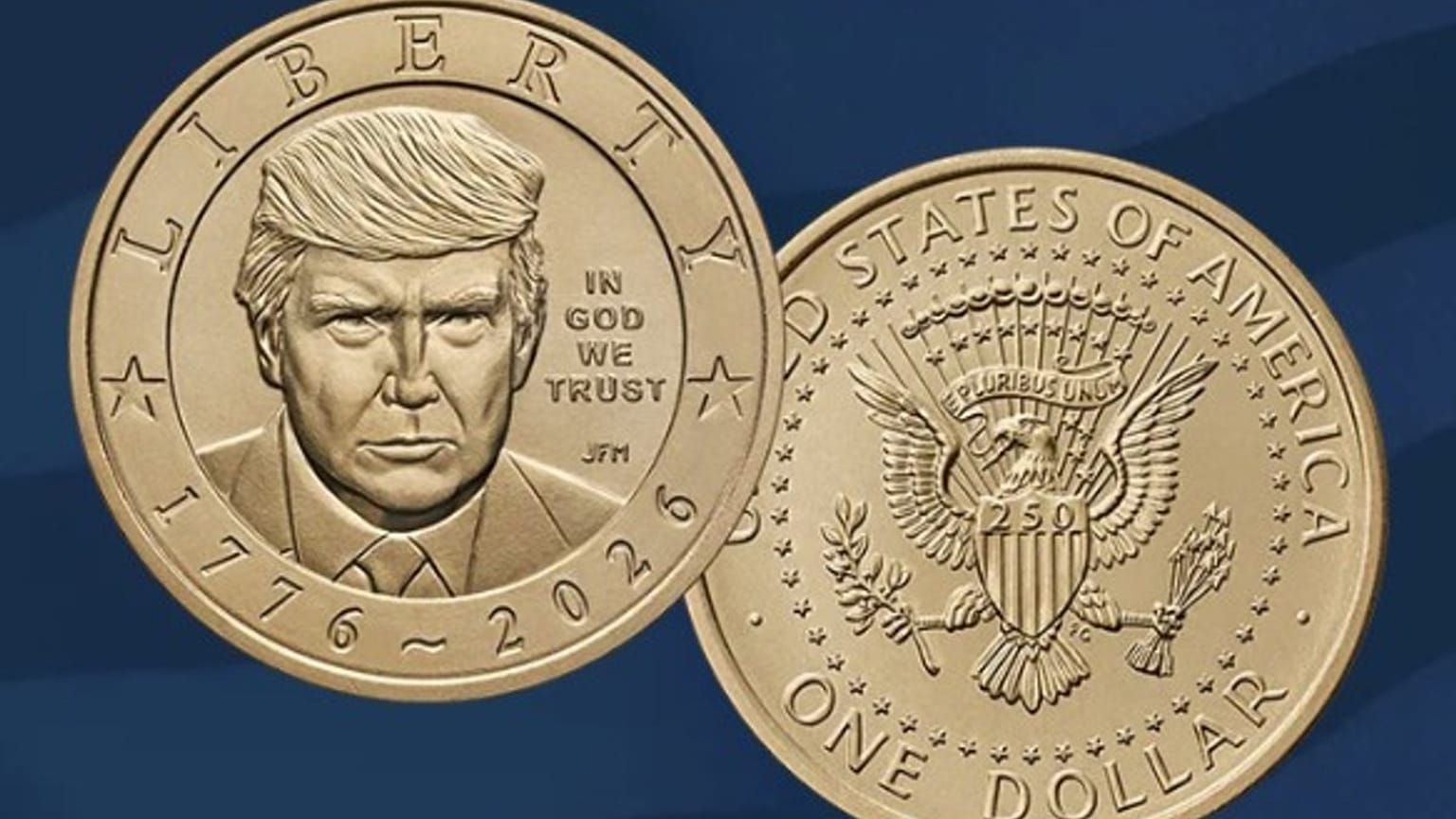
The Federal Reserve sits at the centre of the US financial system, quietly influencing interest rates, inflation, and the direction of the economy.
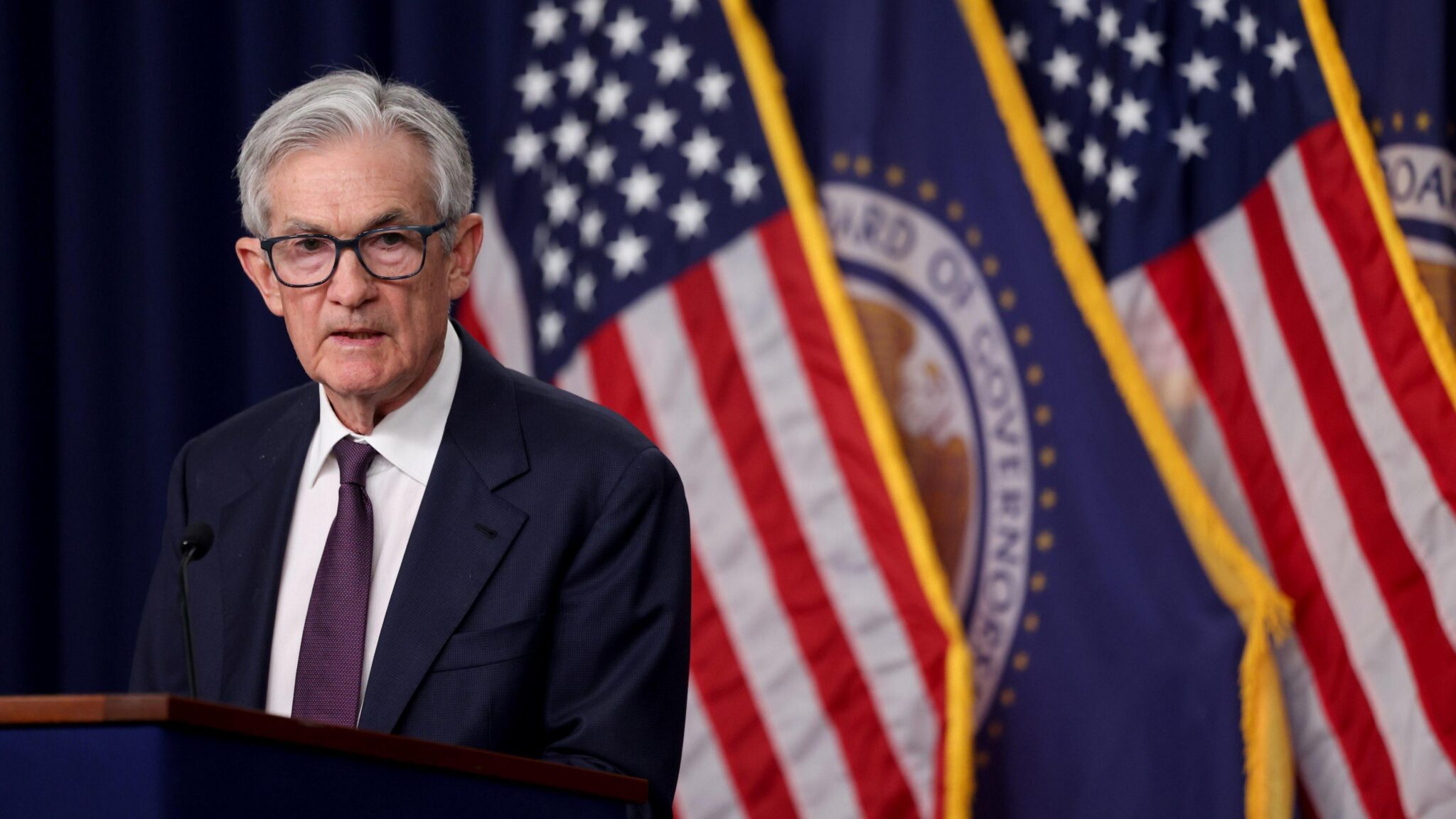
The Federal Reserve does not make headlines in the same way politicians or tech giants do, but its decisions ripple through nearly every part of daily life. From mortgage rates to job growth, from stock markets to the price of groceries, the Fed has a hand in it. It operates in the background, often unnoticed until something changes, and then suddenly everyone is paying attention.
The central bank was created in 1913, after a series of financial crises exposed just how unstable the US banking system could be. Before that, there was no single authority managing the country’s money supply or acting as a lender of last resort. When banks failed, panic spread quickly. The creation of the Federal Reserve was meant to bring order, stability, and a level of confidence that the system could hold together under pressure.
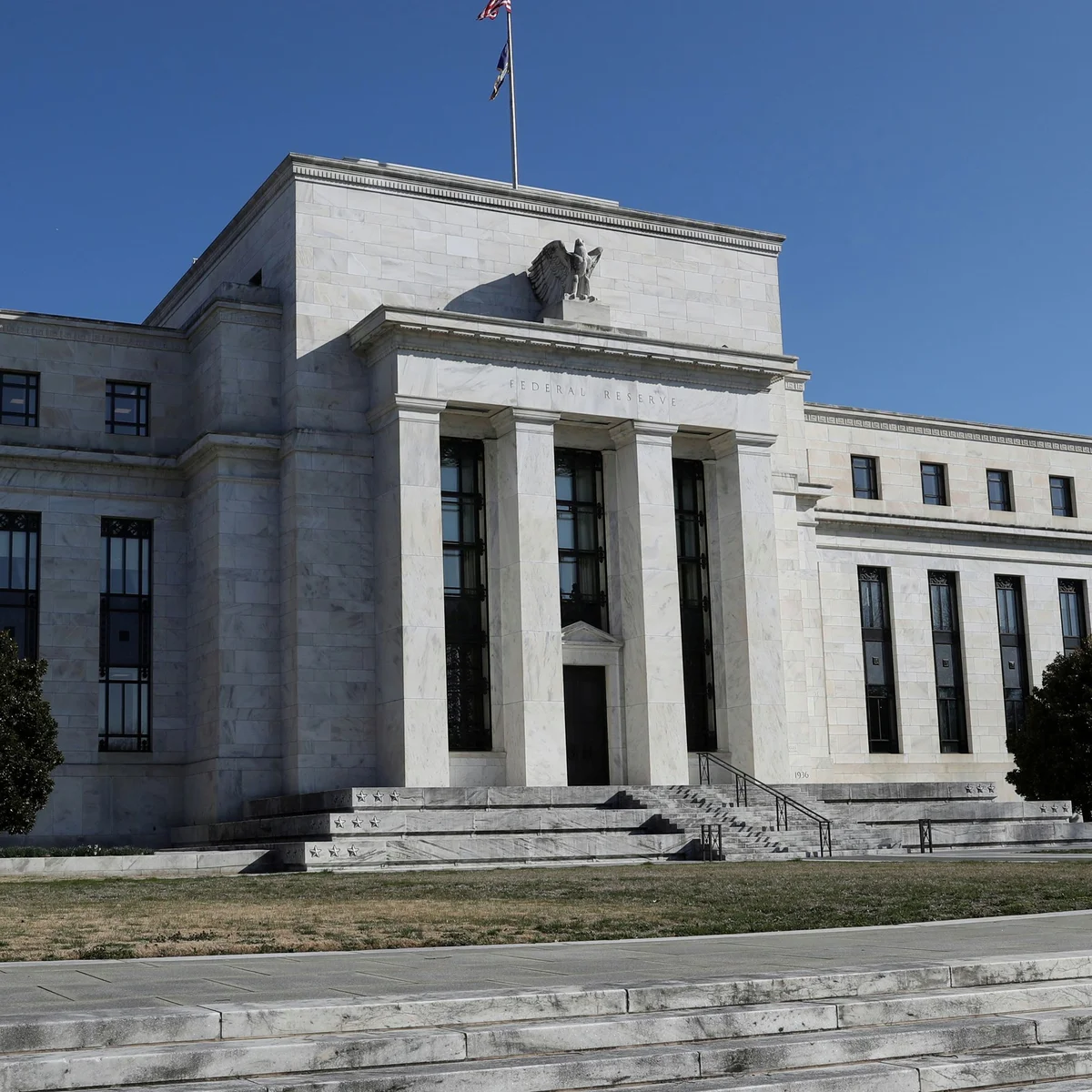
At its core, the Fed has a relatively simple mission, though carrying it out is anything but simple. It aims to keep inflation under control while supporting maximum employment. Those two goals can sometimes pull in opposite directions. Lower interest rates can encourage borrowing and spending, boosting jobs and growth, but they can also push prices higher. Raising rates can cool inflation, but it can slow the economy and lead to job losses. Finding the balance is where the real challenge lies.
One of the Fed’s main tools is setting interest rates. When the economy is struggling, it can lower rates to make borrowing cheaper, encouraging businesses to invest and consumers to spend. When inflation starts to climb too quickly, it raises rates to slow things down. These decisions are made by the Federal Open Market Committee, a group that meets regularly to assess economic conditions and decide the next move.
Beyond interest rates, the Fed also plays a critical role during times of crisis. During events like the 2008 financial crash and the pandemic-driven downturn, it stepped in with aggressive measures to keep credit flowing and markets functioning. These actions can be controversial. Critics argue that such interventions can inflate asset prices or benefit large financial institutions more than everyday people. Supporters say they prevent far worse outcomes, like widespread economic collapse.
The influence of the Federal Reserve extends beyond the United States. Because the US dollar is the world’s primary reserve currency, decisions made by the Fed can affect economies across the globe. When rates rise in the US, it can strengthen the dollar and put pressure on other countries, especially those with debt tied to it. In that sense, the Fed is not just a national institution, it is a global force.
Public perception of the Fed tends to shift depending on the economic climate. When inflation is high, people question why it was not controlled sooner. When unemployment rises, there are calls for more support. The reality is that the Fed often operates in a space where every decision comes with trade-offs, and the results are not always immediate.
Looking ahead, the Federal Reserve faces a difficult path. Inflation concerns, changing labour markets, and global uncertainty all add layers of complexity. Technology and digital currencies could also reshape how central banking works in the future. What remains constant, though, is the Fed’s role as a stabilising force, or at least its attempt to be one.
It may not be the most visible institution, but its impact is hard to ignore. The Federal Reserve does not control everything, but it influences enough that when it acts, the effects are felt far beyond Washington.
Keep in touch with our news & offers
Subscribe to Our Newsletter
Thank you for subscribing to the newsletter.
Oops. Something went wrong. Please try again later.