
The U.S. Treasury warns against excessive volatility in the yen, urging the Bank of Japan to consider rate hikes due to ongoing currency weakness.
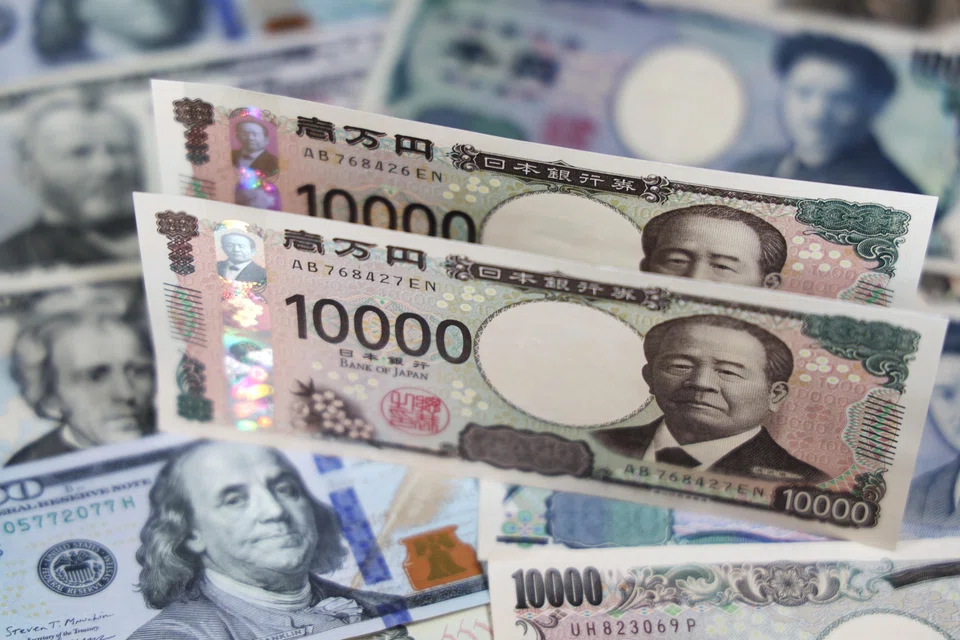
The U.S. Treasury warns against excessive volatility in the yen, urging the Bank of Japan to consider rate hikes due to ongoing currency weakness.
The U.S. Treasury Department has expressed concerns regarding the persistent weakness of the yen, highlighting that it has continued despite the diminishing interest rate gap between the United States and Japan. Officials warned that excessive volatility in the currency markets is undesirable and could lead to broader economic implications.
In a recent statement, the Treasury noted that the yen’s decline has prompted discussions on the need for the Bank of Japan (BOJ) to potentially raise interest rates to stabilize the currency. The U.S. emphasizes that stable and predictable exchange rates are critical for global economic stability.
“We are monitoring recent developments closely and urge the BOJ to take appropriate steps to address these challenges,” a Treasury spokesperson said. The concerns come as the Japanese economy faces pressure from various external factors, including rising energy prices and uncertain global market conditions.
The yen has seen fluctuations that some analysts attribute to market reactions to global economic policies and the varying interest rates between the U.S. and Japan. As the U.S. Federal Reserve continues its tightening cycle, interest rate disparities have affected investor sentiment regarding the yen.
Market observers are now looking to Japan’s central bank for signals on potential policy changes that could provide support to the ailing currency. The U.S. has consistently advocated for a market-determined exchange rate system, but the current situation has raised alarms regarding the extent to which volatility could impact both U.S. and Japanese economic interests.
The Treasury’s remarks are part of a broader dialogue about currency stability and its implications for international trade relations. With key economic indicators on the horizon, the next moves by the BOJ will be scrutinized closely by both domestic and international stakeholders.
Keep in touch with our news & offers
Subscribe to Our Newsletter
Thank you for subscribing to the newsletter.
Oops. Something went wrong. Please try again later.