Trump administration announces new tariffs on 60 trading partners, coinciding with the expiration of a temporary 10% global tariff.
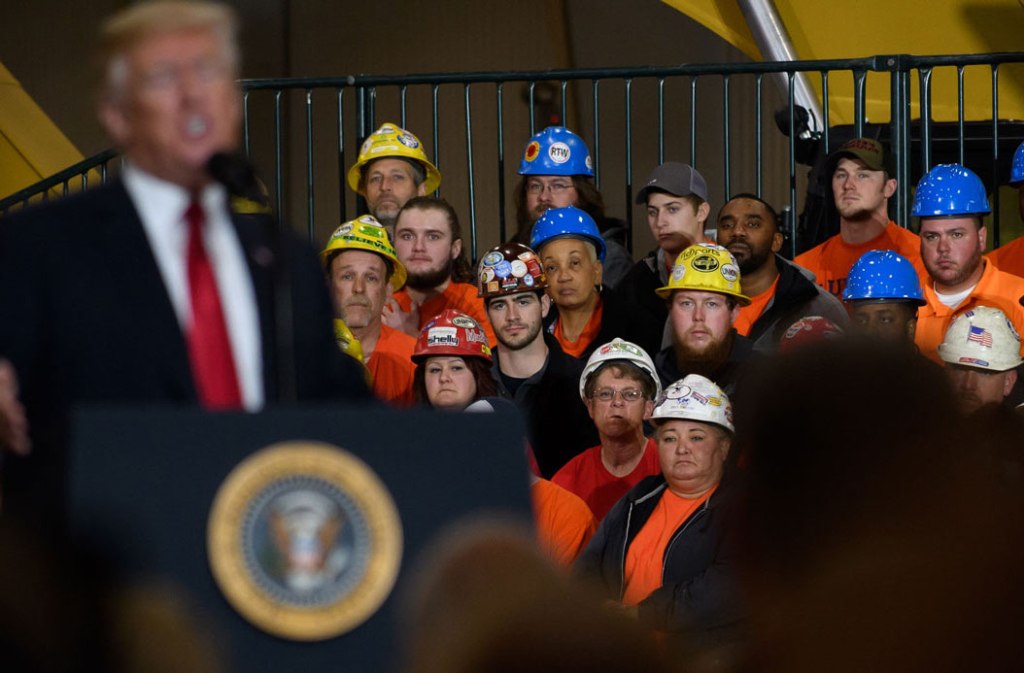
Trump administration announces new tariffs on 60 trading partners, coinciding with the expiration of a temporary 10% global tariff.
The Trump administration is set to impose new tariffs targeting 60 trading partners worldwide, including the European Union. This decision comes as a temporary 10% global tariff is about to expire. The new measures stem from allegations of insufficient enforcement of enforced labor bans.
These tariffs aim to exert pressure on countries that are perceived to be lax in their handling of forced labor practices, a critical issue that has gained increased attention in recent years. The administration emphasized that these actions are part of a broader strategy to protect American interests and uphold ethical standards in trade.
The specific details of the tariffs and how they will be implemented have yet to be fully disclosed. However, the new duties are anticipated to be significant, considering the large number of countries affected. The move underscores the administration’s focus on labor violations, framing it as part of America’s commitment to fair trade.
Economists and trade experts have expressed varying opinions on the potential implications of these tariffs. While some argue that they could bolster domestic industries by leveling the playing field, others caution that such actions might lead to heightened tensions in international trade relations. Concerns arise around retaliatory measures that some trading partners might consider in response.
The tariffs will go into effect as soon as the current temporary measures expire, highlighting the administration’s urgency in addressing these allegations. Officials are prepared to defend these actions as not only a punitive measure but also as a necessary step to foster ethical practices globally.
This enforcement initiative represents a significant shift in trade policy at a time when discussions around worker rights and labor practices are becoming increasingly prominent within international dialogues. As the situation unfolds, businesses and investors alike are closely monitoring the potential impacts on trade and global supply chains.
Keep in touch with our news & offers
Subscribe to Our Newsletter
Thank you for subscribing to the newsletter.
Oops. Something went wrong. Please try again later.