The Trump administration imposes new tariffs on dozens of countries, seeking to eliminate forced labor from supply chains and restore fairness in trade.
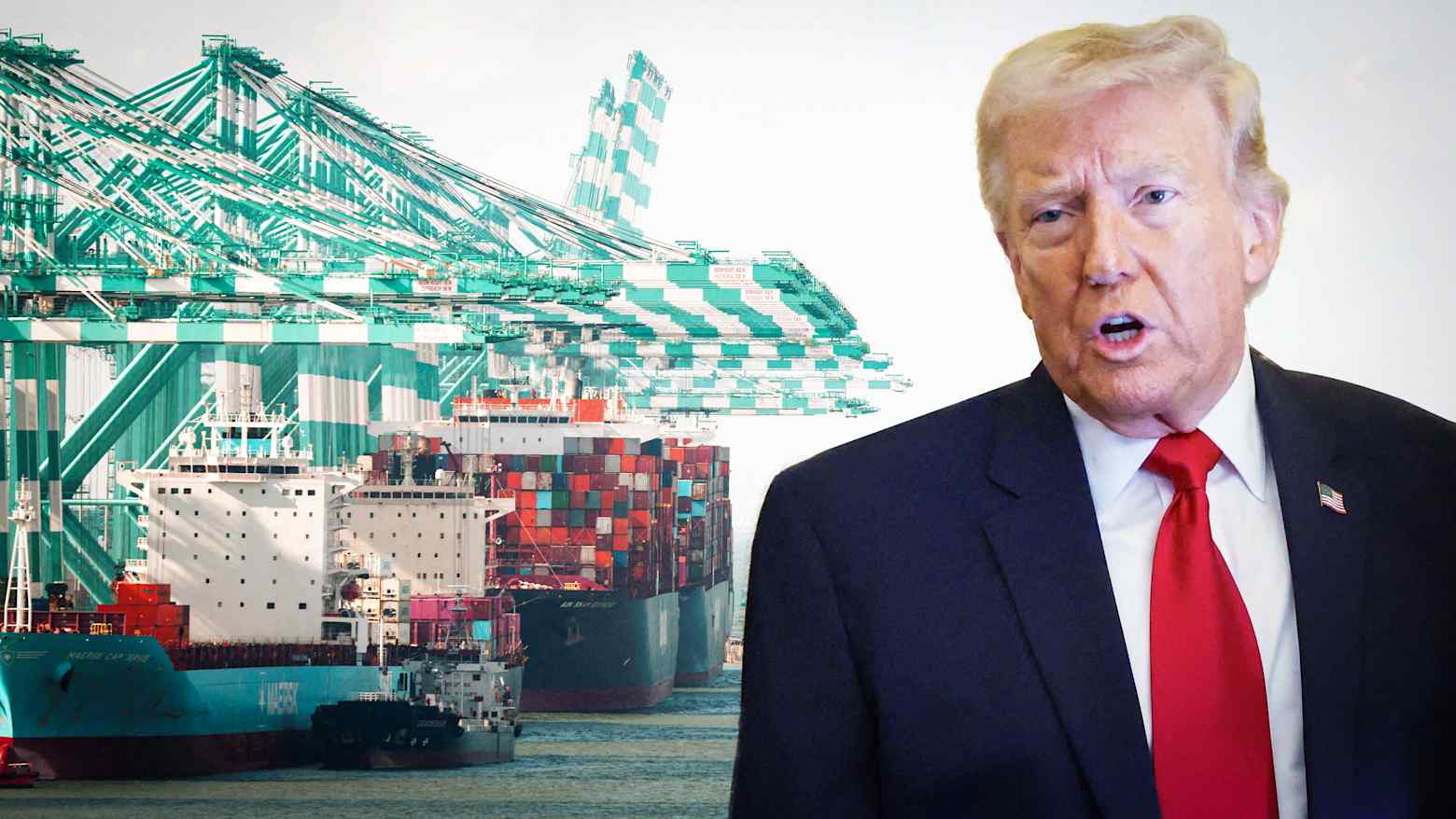
The Trump administration imposes new tariffs on dozens of countries, seeking to eliminate forced labor from supply chains and restore fairness in trade.
The Trump administration has officially enacted new double-digit tariffs on various U.S. trading partners, aiming to reinforce significant duties that were invalidated by the Supreme Court earlier this year. These tariffs, ranging from 10 to 12.5%, are the result of a comprehensive five-month investigation into the efforts of trading partners to eliminate products manufactured through forced labor.
Effective from Friday, 17 nations—including Canada, the European Union, Indonesia, the United Kingdom, and Mexico—will be subjected to a 10% tariff. Additional duties will be imposed on another ten countries that have committed to addressing forced labor in their trade agreements with the U.S.
Meanwhile, 43 other countries—including Japan, China, South Korea, and Australia—will experience a tariff rate of 12.5%. These new tariffs align with the initial findings of the investigation, which were made public in early June.
According to a senior administration official, this initiative is described as the “most sweeping international labor rights action the United States has ever taken,” asserting that it promotes stronger enforcement of labor rights globally and aims to restore equity for American workers. The official emphasized the intention of encouraging foreign trading partners to collaborate with the U.S. in the fight against forced labor in global supply chains.
Some countries successfully negotiated lower tariff rates by implementing bans on forced labor. These include India, Trinidad and Tobago, Honduras, and Sri Lanka.
The new order retains existing tariff exemptions for numerous goods like coffee and items compliant under a 2020 North American trade agreement. Nevertheless, the administration has expanded specific exemptions, including products from countries such as Portugal, Switzerland, and various others producing essential goods like cork, roses, and precious stones.
These tariffs, established under Section 301 of the Trade Act of 1974, will partially reconstruct the tariff barriers dismantled by the Supreme Court decision in February. Following that ruling, President Trump had enforced a 10% global tariff under Section 122, but that statute permits tariffs for only 150 days, and the current tariffs are set to expire on Friday.
Many countries are currently facing tariff rates lower than those imposed last year during Trump’s reciprocated duties under the International Emergency Economic Powers Act. Presently, China was subject to a 20% tariff on most products under the previous IEEPA tariffs, with tariffs on Japan and South Korea pegged at 15% and Indonesia, Malaysia, Pakistan, and Thailand facing rates as high as 19%.
In their briefing, senior administration officials aimed to clarify how the new tariffs differ from those revoked earlier in the year. They stressed that this new approach is not merely an effort to replicate previous tariffs, asserting the complexity of the economic landscape since the Court’s decision.
The Office of the U.S. Trade Representative anticipates introducing further tariffs following the completion of ongoing Section 301 investigations. A notable inquiry into the overcapacity in manufacturing across 16 trading partners could lead to increased tariffs on countries, including China, the EU, Indonesia, and others.
When questioned about the pace of ongoing investigations, the senior official responded, “not at all,” indicating the thoroughness of the review process. They remarked on the intricacies involved in assessing the issues of structural excess capacity, confirming that investigations are proceeding.
Additionally, another investigation is underway focusing on Germany’s pharmaceutical pricing practices. U.S. Trade Representative Jamieson Greer previously communicated that more inquiries are prepared for exploration if discussions with countries such as France fail to progress.
Keep in touch with our news & offers
Subscribe to Our Newsletter
Thank you for subscribing to the newsletter.
Oops. Something went wrong. Please try again later.