
The rise of the Chinese Communist Party was not sudden, but the result of decades of war, instability, and shifting alliances that reshaped modern China.
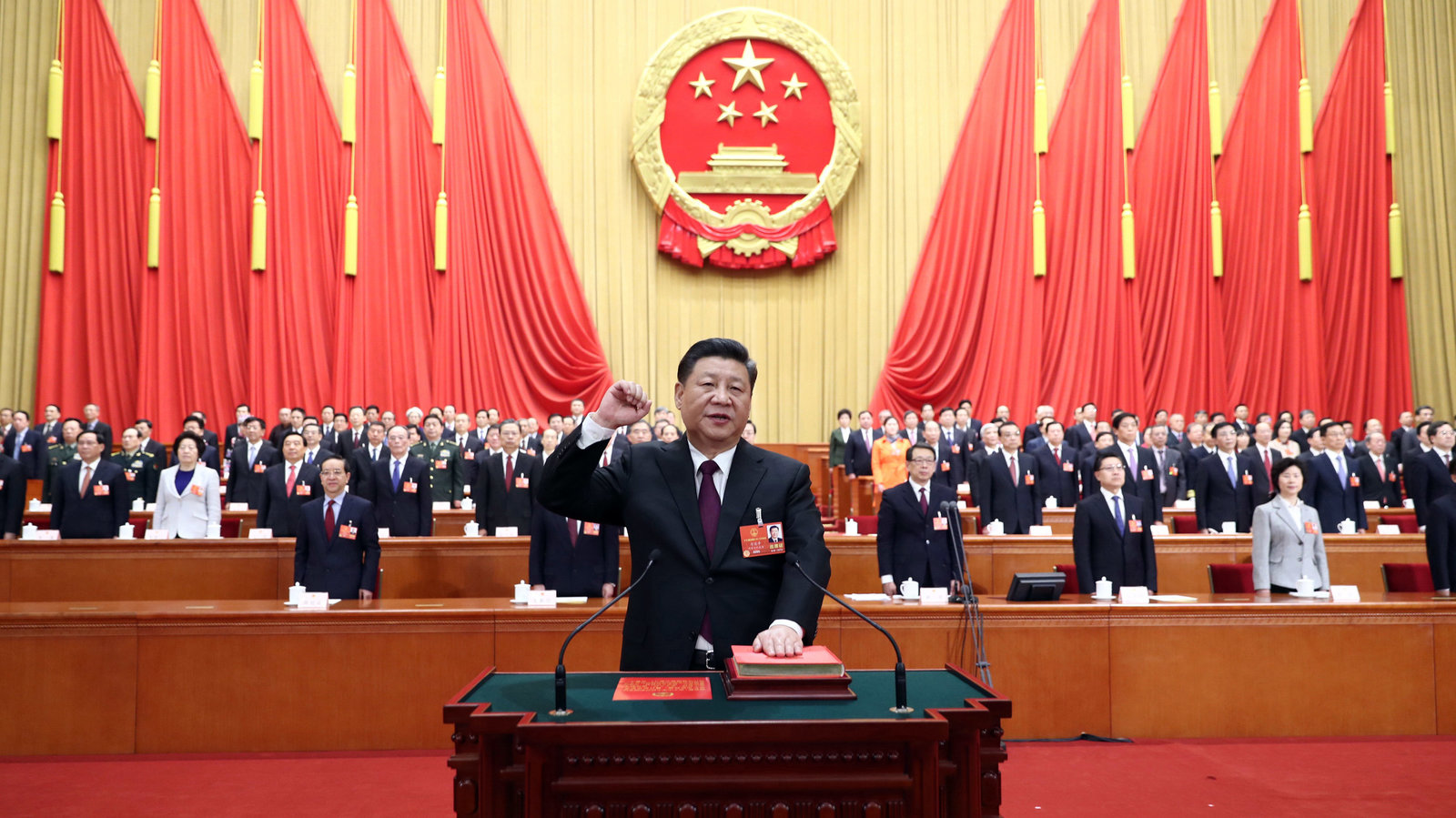
The story of how the Chinese Communist Party came to power is not just about politics, it is about survival in a country that had been pushed to its limits. In the early 20th century, China was fractured, weakened by foreign influence, internal rebellion, and the collapse of its last imperial dynasty. Out of that chaos, competing visions for the country’s future began to take shape, none more significant than the movement led by Mao Zedong.
When the Qing dynasty fell in 1911, China did not find stability. Instead, it entered a period often described as the warlord era, where regional military leaders controlled different parts of the country. The central government struggled to assert authority, and ordinary people faced poverty, insecurity, and little sense of national direction. It was in this environment that new political ideas began to spread, including communism, which promised equality and a break from both imperial rule and foreign dominance.
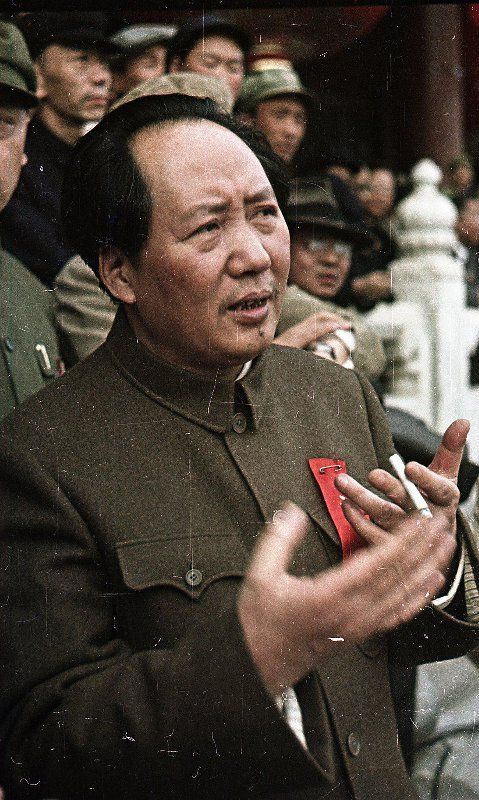
The Chinese Communist Party was founded in 1921, initially as a small group influenced by revolutionary movements abroad. Early on, it formed an uneasy alliance with the Nationalist Party, known as the Kuomintang, led by Chiang Kai-shek. Their shared goal was to unify China, but the partnership was fragile from the start. By the late 1920s, that alliance collapsed into violent conflict, marking the beginning of the Chinese Civil War.
At first, the Communists were at a clear disadvantage. The Nationalists controlled major cities and had greater resources. But the CCP adapted. Under Mao Zedong, the party shifted its focus from urban workers to rural peasants, a move that would prove decisive. Instead of fighting conventional battles, Communist forces relied on guerrilla warfare, building support in the countryside and gradually expanding their influence.
One of the defining moments came during the Long March of 1934 to 1935, a brutal retreat that saw Communist forces travel thousands of miles to escape Nationalist pursuit. It was a near collapse, but it also strengthened the party’s identity and solidified Mao Zedong as its central figure. The march became a symbol of resilience, one that would later be woven into the party’s narrative of legitimacy.
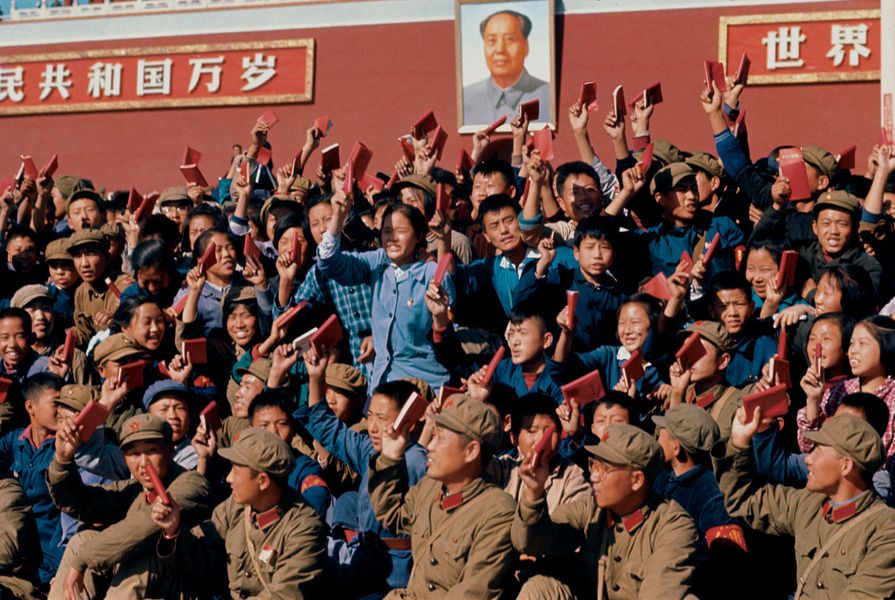
The conflict paused briefly during the Second World War, when both sides united against the Japanese invasion. Yet even then, tensions remained. The Communists used the period to expand their base, gaining support among peasants by promoting land reform and presenting themselves as a disciplined alternative to the often corrupt Nationalist government. When the war ended, the civil conflict resumed, but this time the balance had shifted.
By the late 1940s, the Chinese Communist Party had momentum. Its forces were better organised, and its message resonated with a population exhausted by years of war. The Nationalists, on the other hand, struggled with economic problems, declining morale, and growing public dissatisfaction. In 1949, Communist troops entered Beijing, and soon after, Mao Zedong declared the founding of the People’s Republic of China.
The Nationalist government retreated to Taiwan, where it still exists today, leaving the CCP in control of mainland China. What followed was not just a political transition but a complete transformation of the country’s structure, economy, and global position. The party moved quickly to consolidate power, implementing sweeping reforms and establishing a one party system that continues to this day.
Reactions to the CCP’s rise have always been divided. For some, it represented liberation from foreign domination and internal chaos. For others, it marked the beginning of a system that would limit political freedom in exchange for stability and control. Historians still debate how much of the party’s success came from ideology versus circumstance, and whether the outcome could have been different under other conditions.
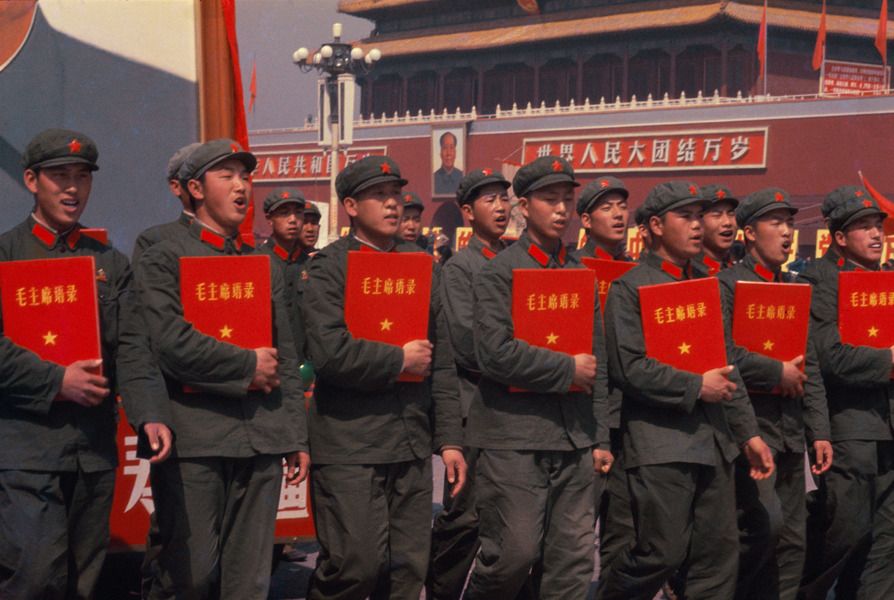
What is clear is that the rise of the Chinese Communist Party changed the course of global history. China went from a fragmented, weakened nation to a unified state that would eventually become one of the world’s most powerful countries. The legacy of that period still shapes politics today, both inside China and far beyond its borders.
Looking back, it is easy to see the outcome as inevitable, but at the time it was anything but certain. The CCP’s path to power was built on adaptation, persistence, and the ability to connect with a population searching for change. What began as a small revolutionary group became the ruling force of a nation of over a billion people, and its story is still unfolding.
Keep in touch with our news & offers
Subscribe to Our Newsletter
Thank you for subscribing to the newsletter.
Oops. Something went wrong. Please try again later.