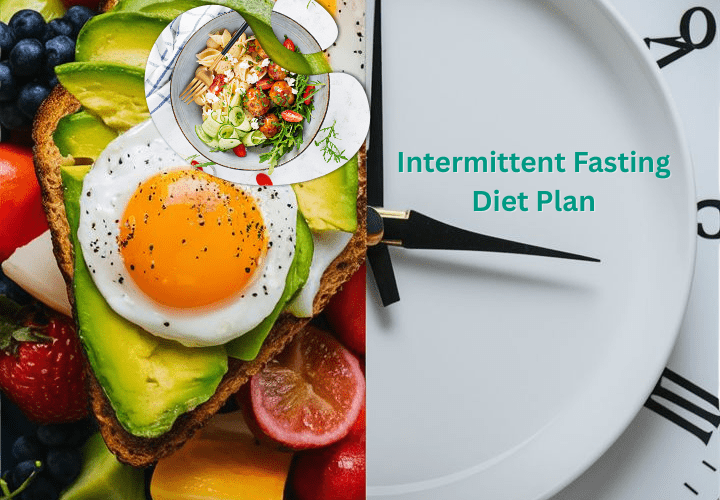
Intermittent fasting and extended fasting are gaining traction worldwide, with people experimenting with both daily eating windows and multi-day fasts in search of better health and control.
Fasting is no longer just something associated with religion or tradition. It has quietly become one of the most talked-about approaches to health, with people trying everything from simple daily fasting windows to going without food for entire days at a time. What once sounded extreme is now being normalised, especially as more people look for alternatives to constant dieting and calorie counting.
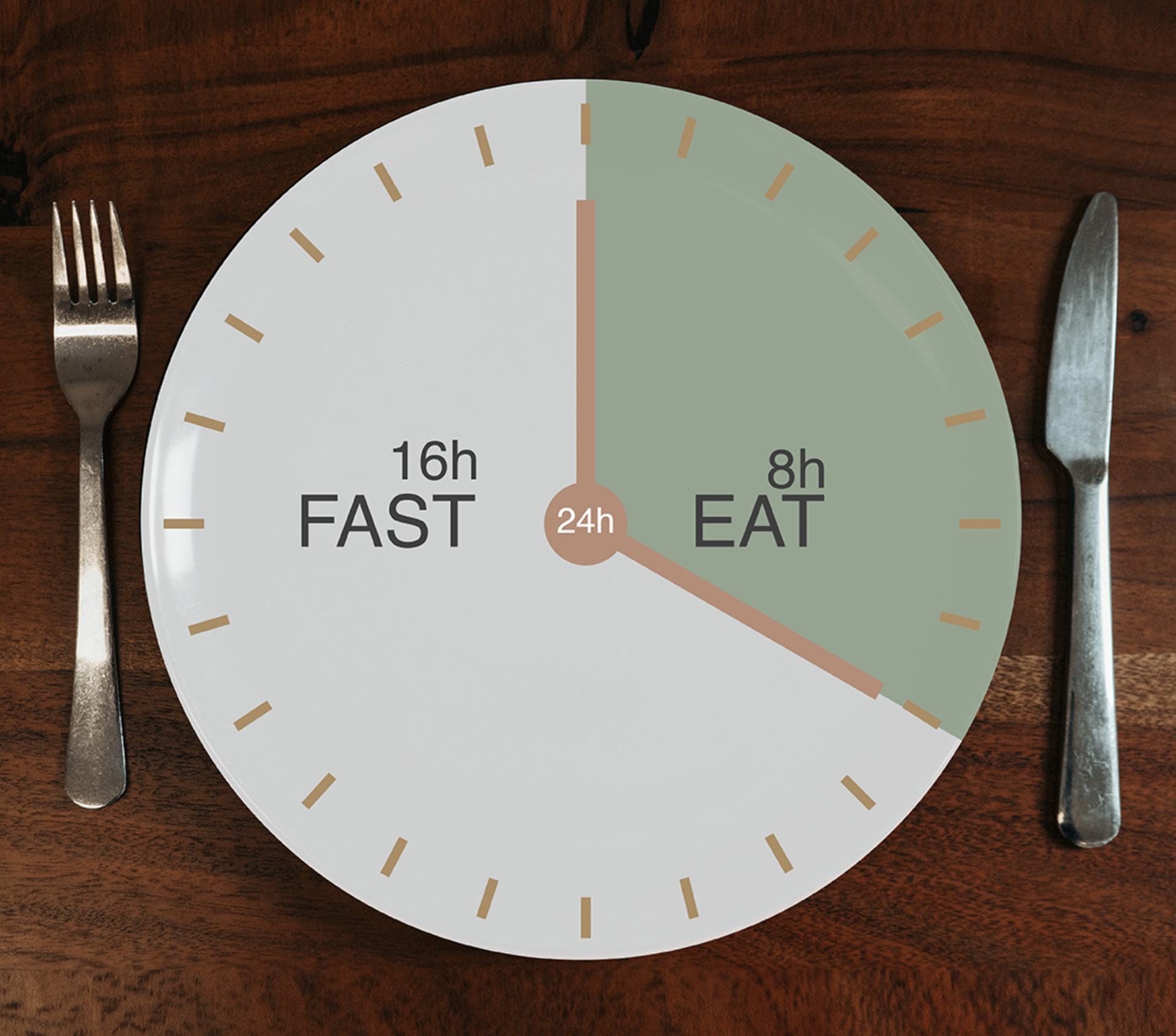
Intermittent fasting is usually the entry point. The concept is straightforward. Instead of focusing on what you eat, it focuses on when you eat. Popular methods include eating within an eight-hour window and fasting for the remaining sixteen. For many, it feels easier than strict diets because there are fewer rules. You simply delay your first meal and stop eating earlier in the evening. Over time, the body adapts, hunger patterns shift, and some people report feeling more in control of their eating habits.
The appeal is not just convenience. Supporters of intermittent fasting point to potential benefits like improved metabolism, better blood sugar control, and weight loss. There is also the idea that giving the body a break from constant digestion allows it to focus on repair processes, though this is still being studied. What is clear is that for some people, reducing how often they eat naturally leads to consuming fewer calories without the mental strain of tracking everything.
As people grow more comfortable with fasting, some take it a step further into longer fasts that last 24 hours or even a couple of days. This is where things become more intense. Multi-day fasting is often framed as a reset, a way to push the body into a deeper state of fat burning. It can feel like a challenge, both physically and mentally, and for some, that challenge is part of the appeal.
However, this is also where opinions start to divide. Health professionals tend to be more cautious about extended fasting, especially without guidance. Going without food for multiple days can lead to fatigue, dehydration, and nutrient imbalances if not handled properly. It is not suitable for everyone, and factors like age, activity level, and underlying health conditions all matter. What works for one person can be risky for another.
Social media has played a big role in how fasting is perceived. Stories of quick weight loss and increased energy spread quickly, often without much context. At the same time, there is a growing conversation about sustainability. Some people find intermittent fasting easy to maintain, while others struggle with energy levels or end up overeating during their eating windows. The same goes for longer fasts, which can feel empowering at first but difficult to repeat consistently.
What stands out is how fasting shifts the focus away from constant consumption. In a culture where food is always available, choosing not to eat for a period of time can feel like taking back control. For some, it is less about weight loss and more about discipline or mental clarity. That psychological aspect is often overlooked but plays a big role in why people stick with it.
Looking ahead, fasting is likely to remain part of the wider health conversation. It is simple, flexible, and does not require expensive products or memberships. But like most trends, it works best when approached with balance and awareness. Daily intermittent fasting may suit many people, while multi-day fasting should be approached more carefully.
In the end, fasting is not a one-size solution. It sits somewhere between habit, discipline, and lifestyle choice. Whether it continues to grow or levels out, it has already changed how people think about food, not just what they eat, but when they eat it.
Keep in touch with our news & offers
Subscribe to Our Newsletter
Thank you for subscribing to the newsletter.
Oops. Something went wrong. Please try again later.