Jingye Group pursues compensation from UK government post nationalisation of British Steel, asserting rights infringement on Chinese investments.
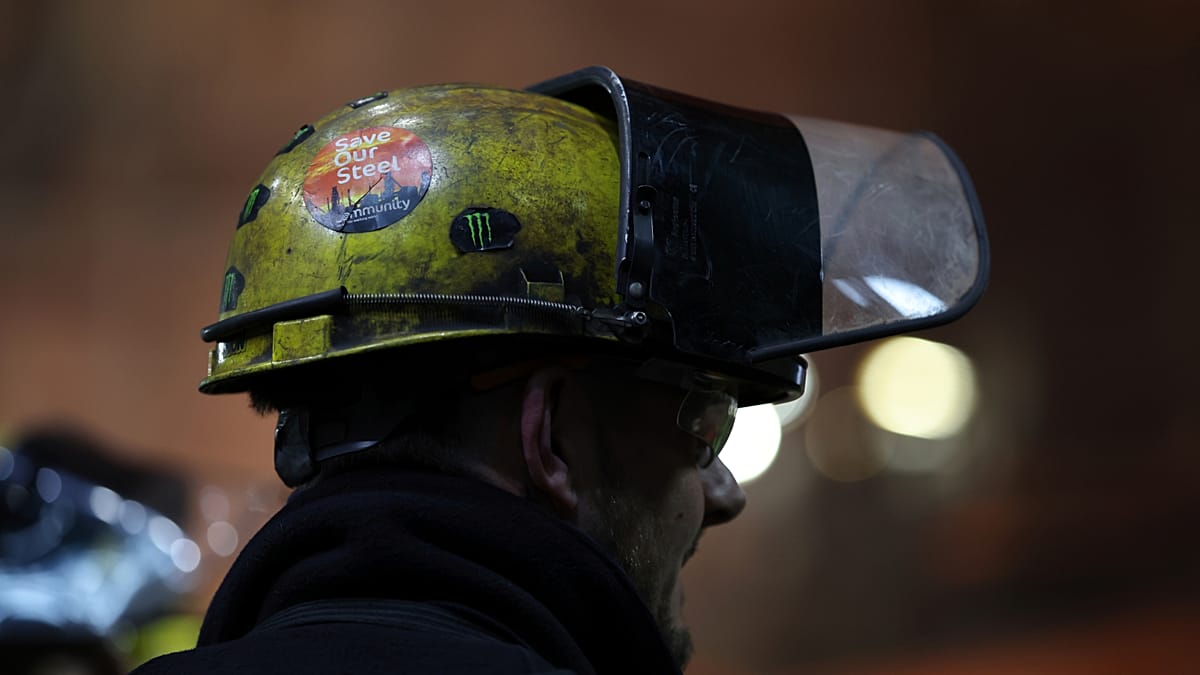
Jingye Group pursues compensation from UK government post nationalisation of British Steel, asserting rights infringement on Chinese investments.
The former owner of British Steel is taking action against the British government over its recent decision to nationalise the loss-making firm. The UK government seized control of the Scunthorpe steelworks after China’s Jingye Group announced plans to close the site due to its financial issues, formally nationalising the plant this Thursday.
In a statement issued on Sunday, Jingye vowed to seek “full compensation through legal means to the very end” regarding the UK’s nationalisation of the plant. A spokesperson for the government noted that draft compensation regulations will be released in the autumn, outlining a process where an independent assessor will determine any compensation payments.
Jingye acquired the Lincolnshire steel plant in 2020, but by March of the previous year, the company had indicated its intention to shut down operations, citing losses of £700,000 daily. The British government took charge of British Steel operations in April 2025, but until now, it remained under Jingye’s management, restricting the government’s capacity to influence the company’s future.
This week, the government’s announcement about nationalisation aimed to safeguard a “vital national capability” and grants it the authority to dictate the plant’s future direction.
The decision to take British Steel into public ownership poses a potential strain on UK-China relations, especially as Andy Burnham prepares to assume the role of prime minister on Monday. On Friday, China’s commerce ministry reacted to the nationalisation, expressing that it “firmly opposes and is strongly dissatisfied with the British government’s decision,” describing it as a “serious infringement” on Jingye’s rights and interests, further stating it has “severely undermined the confidence of Chinese companies investing in the UK.”
Moreover, the ministry asserted that Beijing will support Chinese firms in protecting their rights, although specifics were not provided.
In response, a UK government spokesman indicated that discussions with Jingye aimed at resolving the issues commercially were unsuccessful and did not yield an agreement that represented value for taxpayers. The spokesperson reaffirmed the importance of the UK-China relationship and expressed a continued openness to Chinese investment, aspiring for a successful trading partnership beneficial to British businesses.
The Scunthorpe steelworks employs around 2,700 individuals and supports numerous other industries in North Lincolnshire, but it has faced extreme uncertainty in recent years. A report from the National Audit Office earlier this March revealed that the plant was costing the government approximately £1.3 million daily to operate.
Business Secretary Peter Kyle previously articulated that allowing the operation to shut down was not tenable, insisting the government would sustain the running costs “for the immediate future.” He warned that losing this business would mean the UK could become entirely reliant on global supplies for primary steel production.
British Steel’s history dates back to earlier privatisation in 1988 during former Prime Minister Margaret Thatcher’s administration, and this latest nationalization marks a significant shift in its operational control.
Keep in touch with our news & offers
Subscribe to Our Newsletter
Thank you for subscribing to the newsletter.
Oops. Something went wrong. Please try again later.