The 2026 World Cup in North America promises scale, money, and global reach, but concerns around logistics, cost, and identity are hard to ignore.
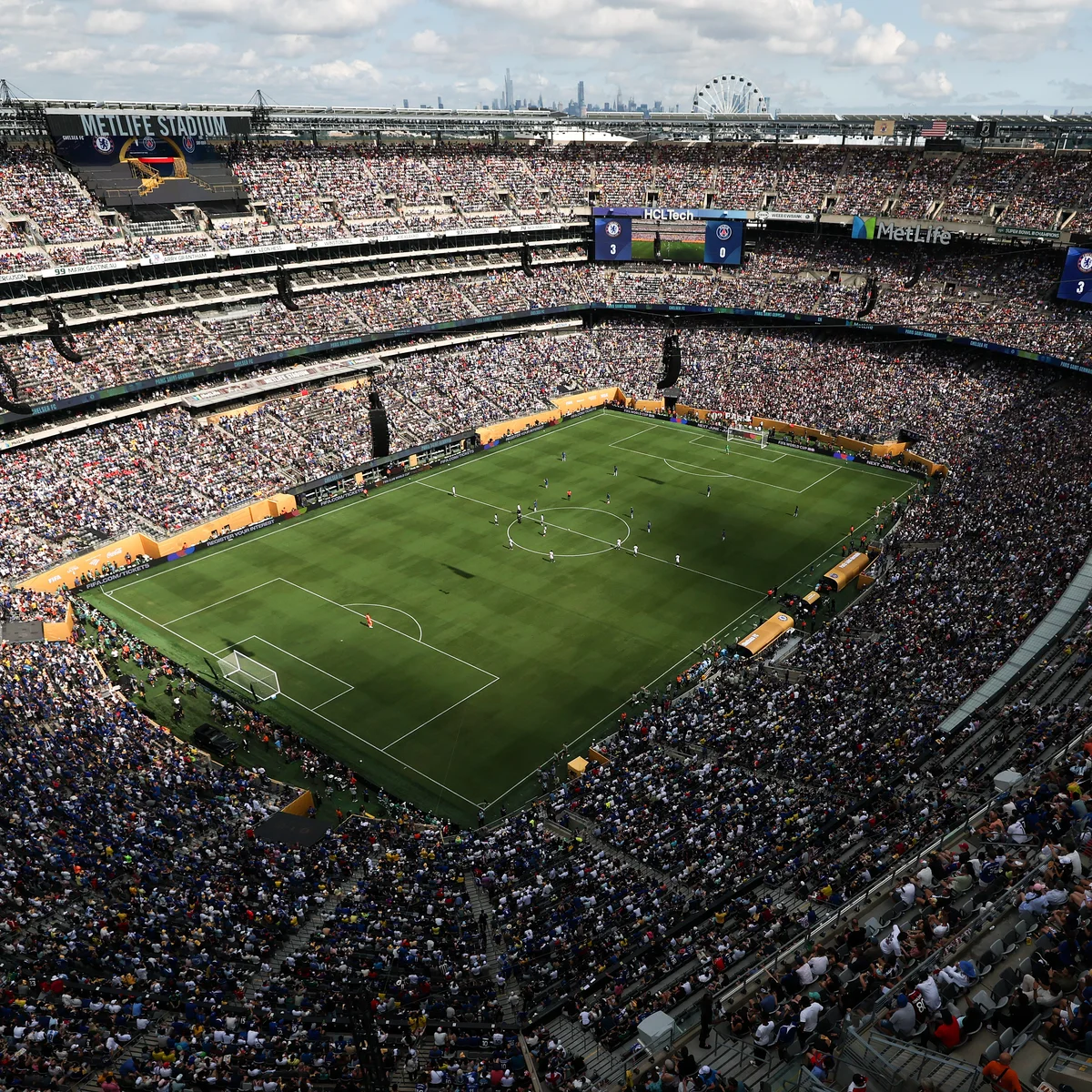
The next FIFA World Cup 2026 is set to be the biggest in history, spread across the United States, Canada, and Mexico. On paper, it looks like a celebration of football’s global dominance. More teams, more cities, and more fans than ever before. But behind the excitement, there is a growing conversation about whether bigger really means better.
One of the clearest positives is infrastructure. The United States in particular already has massive stadiums, transport networks, and commercial systems in place. Unlike past hosts that had to build from scratch, much of the groundwork is already done. That reduces some of the financial risk and avoids the kind of abandoned venues seen after tournaments in other parts of the world. It also means fans can expect high quality facilities, from seating to technology, which fits with how modern football is consumed.
There is also the commercial side, which is impossible to ignore. North America is one of the biggest sports markets on the planet. Hosting the tournament there opens the door to new audiences and huge broadcasting deals. Leagues like Major League Soccer have been growing steadily, and this World Cup could accelerate that growth. For FIFA, it is a chance to tap into a market that blends entertainment, sport, and business on a massive scale.
Then there is the cultural angle. Mexico brings deep football tradition, with passionate fans and history in hosting tournaments. Canada adds a newer but fast growing football scene. The mix creates something different. Instead of a single host identity, this World Cup will feel more like a continental event. That diversity could make it more inclusive and reflective of football’s global reach.
Still, there are real concerns. Travel is one of the biggest. The distances between host cities are enormous compared to previous tournaments. Fans may find themselves crossing entire countries just to follow their teams. That raises costs and makes the experience less accessible, especially for international supporters. It also adds pressure to scheduling and logistics in ways that have not really been tested at this scale.
There is also a question of atmosphere. Football thrives on tight, intense environments where fans create a sense of occasion. Some critics worry that oversized stadiums and corporate driven events could dilute that feeling. In countries where football is not always the dominant sport, there is a risk that the energy may not match what is seen in places where the game is deeply rooted in everyday culture.
Expansion itself is another debate. The tournament will feature 48 teams instead of 32, which sounds inclusive but comes with trade offs. More matches mean a longer schedule and potentially uneven quality in the early stages. Some fans and analysts argue that it could reduce the intensity that makes the World Cup special, especially in the group phase.
There are also broader issues around cost and priorities. Even with existing infrastructure, hosting still requires investment in security, organisation, and upgrades. Questions often follow about who really benefits. Local economies may see boosts in tourism and spending, but critics point out that long term gains are not always as strong as promised.
Reactions are mixed. Some see this as football finally embracing its global commercial potential in a modern way. Others worry it reflects a shift away from the sport’s roots toward something more corporate and less authentic. Both views probably hold some truth.
What is clear is that this World Cup will be different. It will be bigger, louder, and more spread out than anything before it. Whether that becomes its strength or its weakness will only really be known once it begins. For now, it sits somewhere between excitement and uncertainty, which might be exactly where football finds itself as a global game right now.
Keep in touch with our news & offers
Subscribe to Our Newsletter
Thank you for subscribing to the newsletter.
Oops. Something went wrong. Please try again later.