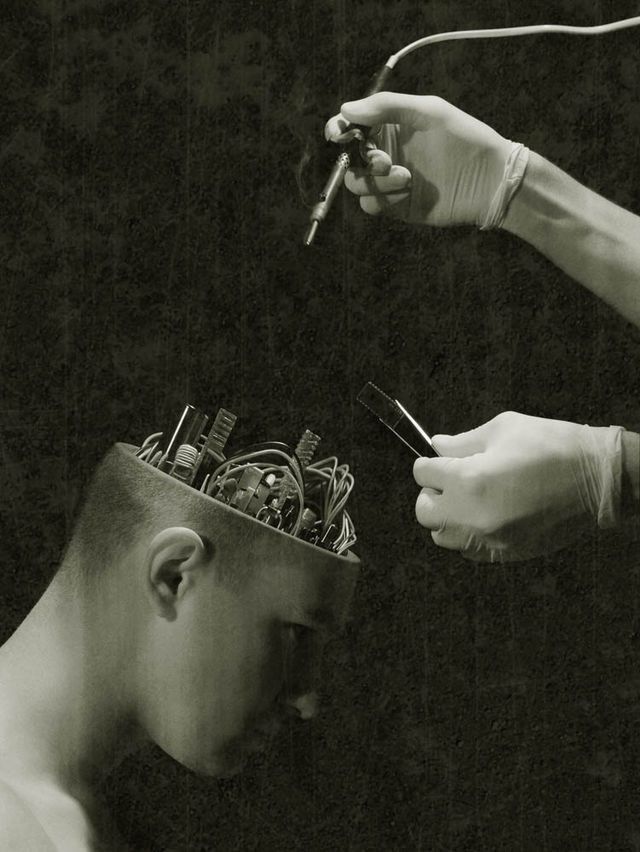
Artificial intelligence is evolving at a pace that’s catching even industry insiders off guard, pushing into everyday life and raising big questions about what comes next.
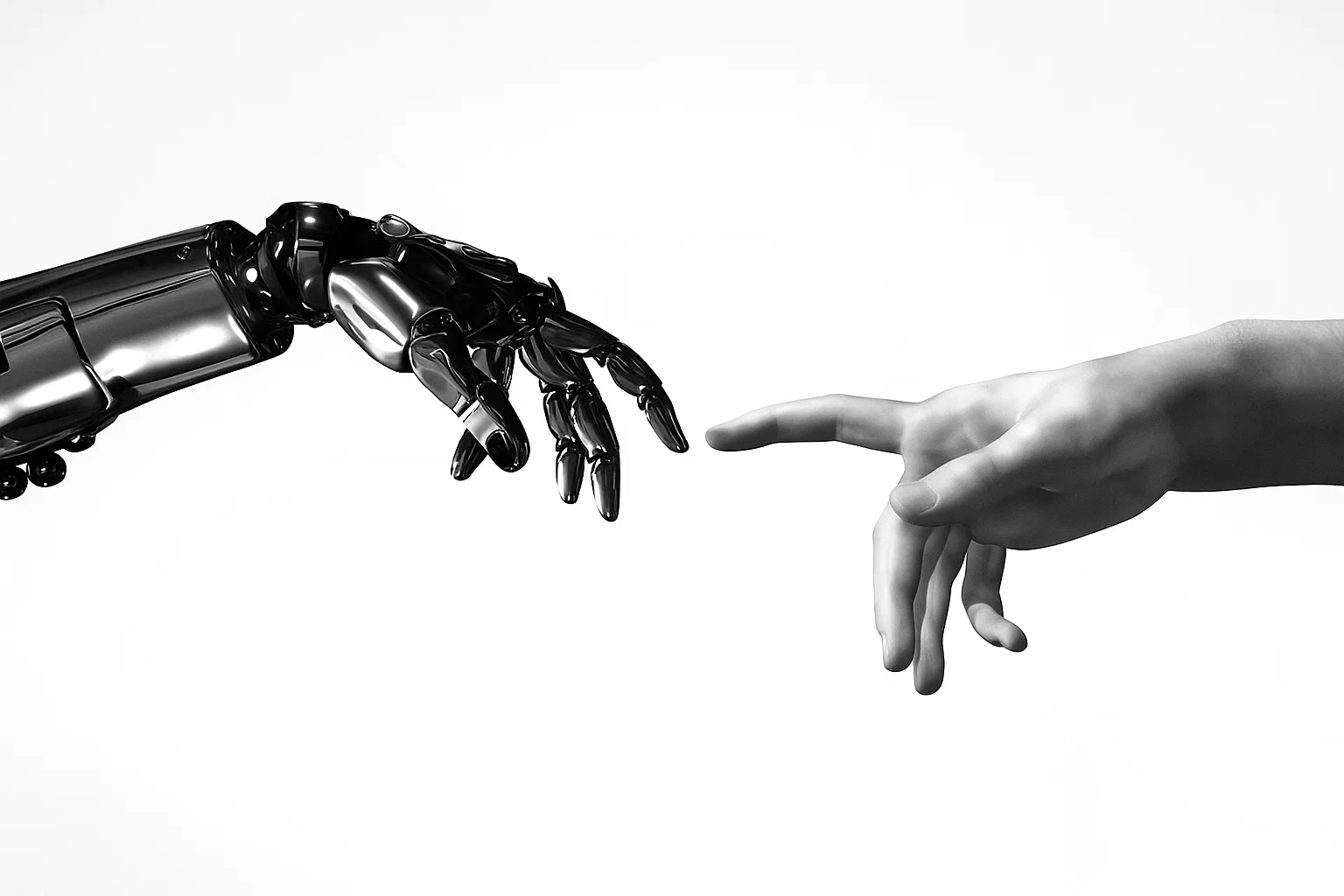
Artificial intelligence is no longer something that sits quietly in the background of tech labs. It’s moving quickly, showing up in workplaces, schools, and even how people search for information day to day. Companies like OpenAI and Google are rolling out tools that feel less like software and more like something you interact with, almost like another person. That shift alone is changing expectations. People are starting to assume technology should understand them, not just respond to commands.
What’s driving this rapid change is a mix of better data, more powerful computing, and intense competition. Tech firms are pouring billions into AI development because the payoff could redefine entire industries. Customer service is already being automated at scale, content creation is being reshaped, and coding itself is becoming partially assisted by AI. For businesses, it’s not really a question of whether to adopt it anymore. It’s how quickly they can do it without falling behind. That urgency is pushing adoption faster than most predicted even a year ago.
At the same time, there’s a growing sense that things might be moving a little too fast. Concerns around job displacement are no longer theoretical. Certain roles, especially repetitive or entry-level digital tasks, are already being replaced or heavily augmented. There’s also the issue of accuracy. AI can sound confident even when it’s wrong, and that creates a different kind of risk compared to traditional software. Governments are starting to step in, but regulation tends to move slower than innovation, which leaves a gap that’s hard to manage in real time.
Public reaction has been mixed. Some people see AI as a powerful tool that can remove boring work and open up new creative possibilities. Others are more cautious, worried about privacy, misinformation, and how much control should be handed over to machines. Even within the tech world, there isn’t full agreement on where the limits should be. Leaders like Sam Altman have openly discussed both the potential and the risks, which says a lot about how uncertain the path forward still is.
What’s clear is that AI is no longer just another tech trend. It’s starting to shape how decisions are made, how information spreads, and how people work. The next phase will likely be less about flashy new tools and more about integration into everyday systems, from healthcare to finance to education. That’s where the real impact will show. For now, it feels like things are still accelerating, and whether that’s exciting or unsettling depends on where you’re standing.
Keep in touch with our news & offers
Subscribe to Our Newsletter
Thank you for subscribing to the newsletter.
Oops. Something went wrong. Please try again later.