The EU adopts a substantial sanctions package targeting Russia, marking a significant step in the ongoing geopolitical conflict.
The EU adopts a substantial sanctions package targeting Russia, marking a significant step in the ongoing geopolitical conflict.
The European Union has enacted its 21st package of sanctions against Russia, making this the largest sanctions set implemented to date as the war in Ukraine continues. This development comes after delays attributed to Greece, which had sought concessions regarding the transportation of liquid natural gas (LNG) exports. As a consequence of these sanctions, Russia is now identified as the most sanctioned nation globally.
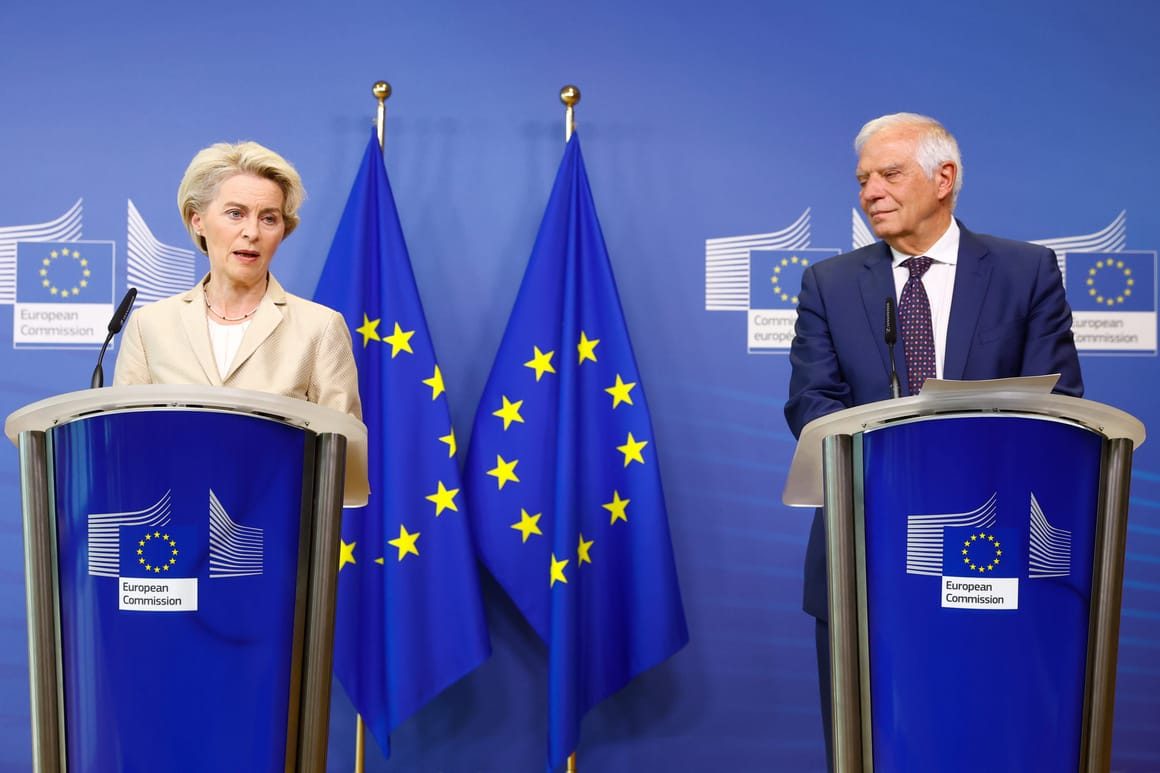
European Commission President Ursula von der Leyen emphasized that these sanctions are intended to further undermine the economic underpinnings of Russia’s military efforts. In a strong statement, she asserted, “These measures will continue to weaken the economic foundations of Russia’s war effort.” EU foreign policy chief Kaja Kallas similarly commented that the new restrictions aim to “hit Putin where it hurts most.”
Ukraine’s Foreign Minister Andrii Sybiha welcomed the sanctions, stating that each new decision in this direction contributes to bolstering Europe’s security and ensures Russia is held accountable for its aggressive actions.
The sanctions package includes restrictions on 218 individuals and companies, along with 94 financial institutions. This notably encompasses sanctions on Moscow’s stock exchange and aims to inhibit transactions through various Russian banks. However, a significant part of the package allowed Greece an exemption, permitting the transportation of Russian LNG to non-EU countries.
There is also an extended price cap on Russian oil, which has been set at $44.7 per barrel, significantly below the market rate. Ursula von der Leyen underscored the importance of maintaining this price cap to prevent the Russian war machine from benefiting from any market fluctuations.
Additionally, the EU aims to cut off numerous Russian banks from accessing funds within EU jurisdictions, striving to leverage financial pressure on the country. As part of this effort, the sanctions target 90 financial institutions, which account for approximately 50% of Russia’s financial network.
In a related note, during a visit to Kyiv, Irish Prime Minister Micheál Martin faced questions about an Irish metals refinery potentially involved in the supply chain linked to the Kremlin’s military operations.
The sanctions emerge as tensions escalate further, with Ukrainian President Volodymyr Zelenskyy under pressure to reinstate his dismissed defense minister, Mykhailo Fedorov, who has made it clear he will not take on any alternative governmental roles. Supporters of Fedorov have continued to express their dissent through rare street protests.
Looking forward, there remains hope that this sanctions package will compel tighter enforcement against Russian entities, as well as rigorous scrutiny on how third-party nations interact financially with them. Overall, the EU remains steadfast in its commitment to addressing the ongoing conflict and supporting Ukraine during these turbulent times.
Keep in touch with our news & offers
Subscribe to Our Newsletter
Thank you for subscribing to the newsletter.
Oops. Something went wrong. Please try again later.