South Africa labels Ghanaian-led ICC petition as ‘opportunistic’ amid rising violence against migrants, emphasizing local legal handling.
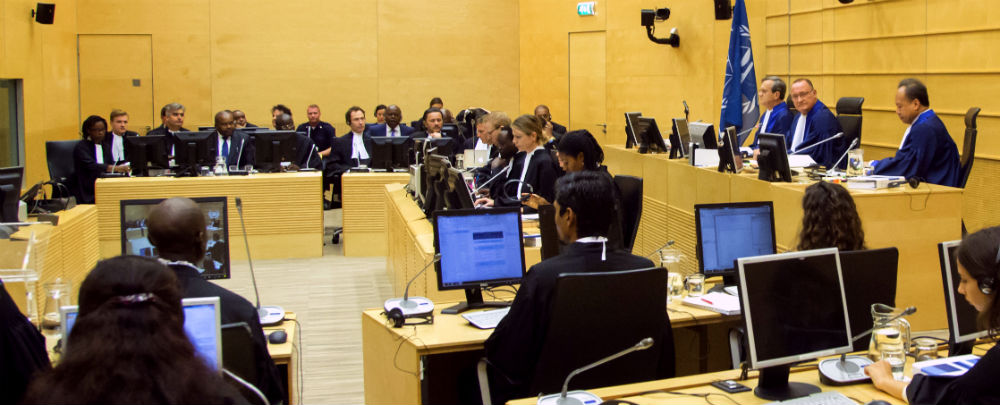
South Africa labels Ghanaian-led ICC petition as ‘opportunistic’ amid rising violence against migrants, emphasizing local legal handling.
South Africa has dismissed a petition filed at the International Criminal Court (ICC) by two Ghanaians, arguing that it is ‘opportunistic’ in nature. The petition, presented last week in The Hague, seeks an investigation into the growing violence against foreigners in the country, which the petitioners argue could constitute crimes against humanity. They accuse the South African government of failing to address and punish these acts of violence.
The South African foreign ministry responded firmly, stating that the petition does not meet the legal standards set by the ICC and reaffirming confidence in the local judicial system’s ability to manage such issues.
With diplomatic tensions escalating between Ghana and South Africa, Ghana has moved to repatriate its citizens following the recent surge of anti-migrant protests. Amid these protests, it has claimed that a citizen was killed, although South African authorities have denied these allegations.
Countries like Kenya, Malawi, Nigeria, and Uganda have also begun organizing repatriation efforts for their nationals in light of the unrest, with anti-migrant groups setting a deadline of June 30 for undocumented migrants to exit South Africa. Many foreigners are opting to leave as violence and intimidation escalate.
Official figures from the South African government indicate that over 53,000 foreign nationals have been either forcibly deported or have chosen to leave voluntarily. However, data from international press reports suggests that more than 160,000 people have fled the nation in the last two months due to the unrest.
Protesters have been vocal about their demands for stricter border controls and mass deportations, blaming migrants for high unemployment rates, increased crime, and a strain on public services. The United Nations has cautioned against the trend of scapegoating migrants for the country’s socioeconomic issues.
The petition to the ICC was submitted by Palgrave Boakye-Danquah, a former Ghanaian government spokesperson on governance and security, and Emmanuel Kotin, a security analyst specializing in counter-terrorism. In their statement, they claimed that there is a ‘pattern of widespread and systematic attacks’ against migrants in South Africa.
Boakye-Danquah and Kotin expressed deep concern, noting that, ‘For years, African brothers and sisters have been killed, beaten, and driven from their homes in South Africa.’ They emphasized the failure of state authorities to adequately prevent, investigate, and punish the rising violence.
As escalating attacks on African migrants in South Africa draw regional condemnation, leaders from the Economic Community of West African States (ECOWAS) have also spoken out against the situation. They have called on South Africa to swiftly implement measures to safeguard foreign nationals.
In light of the criticisms, South Africa has reiterated its stance against xenophobia and discrimination, affirming that respecting the dignity of all individuals within its borders is a constitutional obligation. South African President Cyril Ramaphosa has acknowledged public concerns surrounding migration but has denounced the violence directed at migrants, warning citizens not to take the law into their own hands.
The foreign ministry has underscored that South Africa will uphold the rule of law and ensure those who commit violent acts are held accountable through its legal system. It has also called for discussions through the African Union to address the root causes of migration across the continent. South Africa, being the wealthiest nation in Africa, has traditionally drawn migrants seeking better economic opportunities, including many who have entered the country illegally.
Current data indicates there are more than three million documented foreign nationals residing in South Africa, not including those who are undocumented.
Keep in touch with our news & offers
Subscribe to Our Newsletter
Thank you for subscribing to the newsletter.
Oops. Something went wrong. Please try again later.