Ulster University’s forecast shows Northern Ireland’s economy is set to grow faster than the UK average over the next five years.
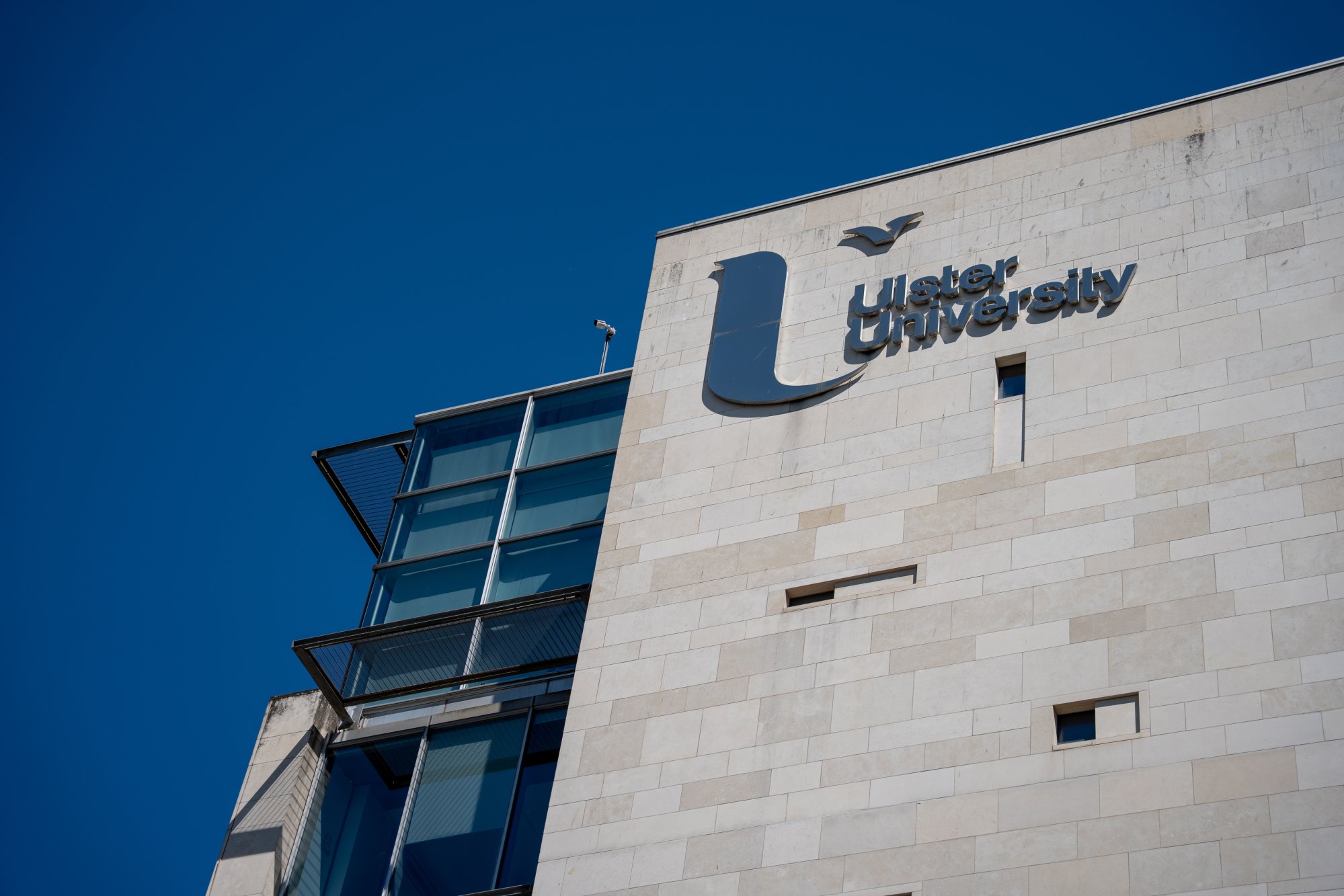
Ulster University’s forecast shows Northern Ireland’s economy is set to grow faster than the UK average over the next five years.
Northern Ireland’s economy is projected to surpass the UK average in growth over the upcoming five years, according to a new forecast from Ulster University economists.
The Economic Policy Centre (EPC) at the university has revised its growth expectations for Northern Ireland, anticipating an increase of 1.6% this year, up from a previous forecast of 1.3% made in late 2022.
In contrast, the forecast for the UK overall has been downgraded from 1.4% to just 1% for 2026. The EPC expects Northern Ireland to maintain a slightly higher growth rate than the UK average until the end of the forecast period in 2030.
The current landscape for economic forecasting is fraught with uncertainty, largely influenced by the ongoing conflict in the Persian Gulf, which has the potential to drive energy prices up, subsequently impacting inflation and interest rate expectations.
Interestingly, this forecast was completed prior to the recent escalation of that conflict, which has already led to significant rises in energy prices over the past week.
The EPC’s relatively optimistic outlook for Northern Ireland stems from the strength of its jobs market. The workforce jobs measure in Northern Ireland registered the fastest growth rate among UK regions between Q1 of 2025 and Q1 of 2026, while nine out of twelve UK regions reported a decrease in employment during this period.
“Strong employment growth has been a key driver of economic performance over the past year and our forecasts indicate that this momentum will continue, with workforce jobs expected to exceed one million by 2032,” stated Todd Gowdy, an assistant economist at the EPC.
The reasons behind Northern Ireland’s solid job performance remain somewhat ambiguous. Some economists theorize that the public sector’s relatively large size in the region acts as a buffer, allowing it to reduce jobs at a slower rate than the private sector.
Others posit that Northern Ireland may be benefiting from positive economic spillovers due to the robust economic performance of the Republic of Ireland.
Furthermore, since Brexit, Northern Ireland has continued to participate in the EU’s single market for goods, although this has not translated into substantial job creation in the manufacturing sector.
Looking ahead, the EPC estimates that the manufacturing sector will add approximately 4,000 jobs between 2025 and 2035, a decrease compared to the 11,000 jobs added from 2015 to 2025.
Recent official statistics released on Tuesday indicate that the job market in Northern Ireland was stagnant in June, with no monthly growth in payrolls reported and no significant changes in employment, unemployment, or economic inactivity across quarterly or annual timeframes.
As for the UK’s economic landscape, ongoing government borrowing to support both day-to-day spending and long-term infrastructure projects continues to pose challenges. While the leadership of the country may change, the financial hurdles remain constant.
The rate of economic growth in the UK has direct implications for aspects such as salary increases and tax revenues. The Northern Ireland Secretary has urged ministers in Stormont to “do their job” and reach a consensus on a budget.
In a notable statistic, approximately two-thirds of households in Northern Ireland rely on home heating oil for their heating requirements.
Keep in touch with our news & offers
Subscribe to Our Newsletter
Thank you for subscribing to the newsletter.
Oops. Something went wrong. Please try again later.