Money feels simple on the surface. You earn it, spend it, save it. But behind that everyday experience is a system that’s far more complex, and far more influential, than most people realise.
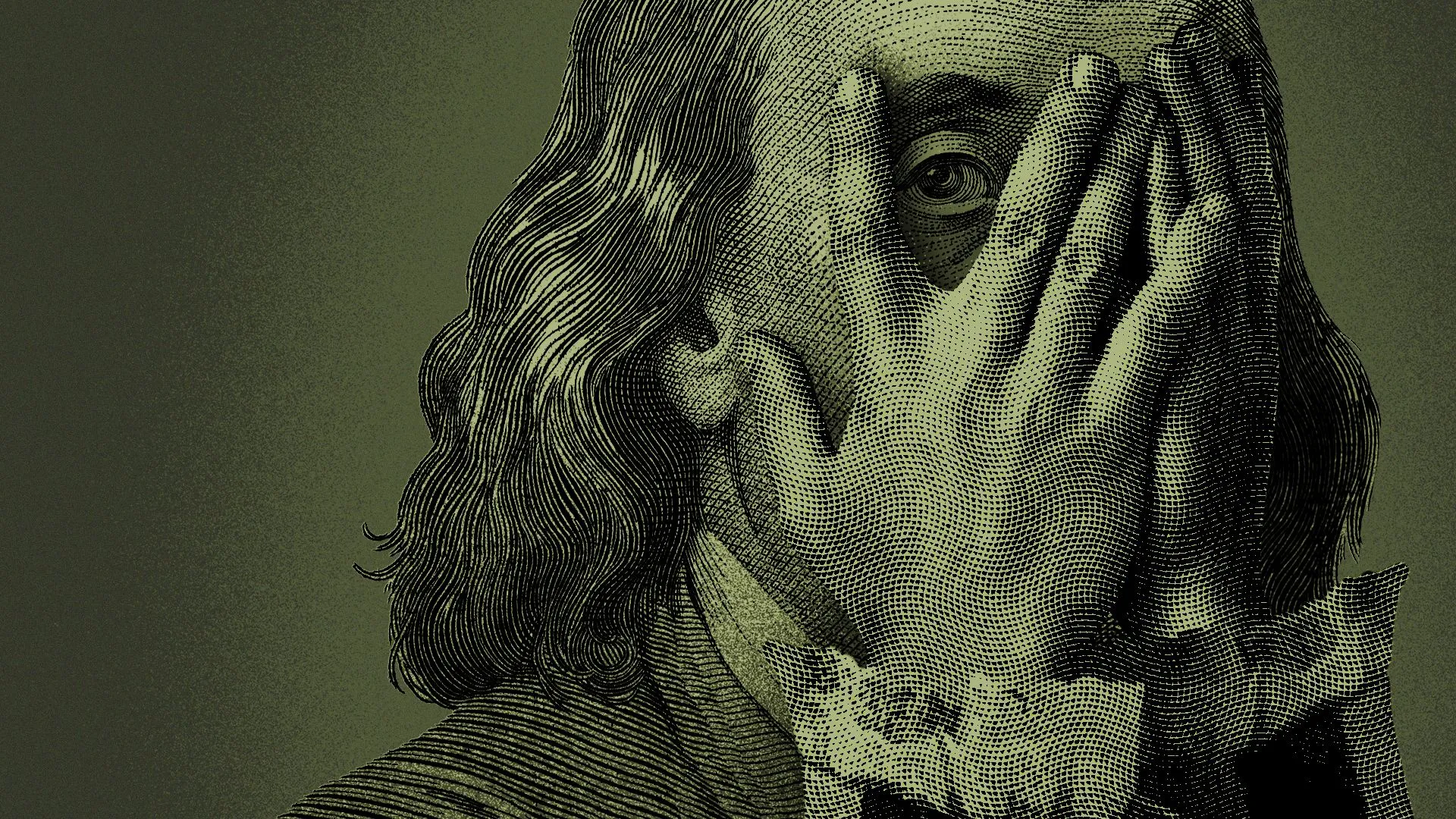
Once you start to look closer, money stops being just a tool and becomes something much bigger. It shapes decisions, opportunities, and the direction of entire economies. It influences how people live, what they can afford, and how secure they feel about the future.
It’s Not Really About Cash
Most people think of money as notes and coins, something physical that can be held and counted. In reality, that is only a small part of the system. The vast majority of money exists digitally, as numbers in bank accounts that move constantly between individuals, businesses, and institutions.
When you get paid, send money, or buy something online, no physical money is exchanged. It is simply updated within a system. This system connects banks, payment providers, and financial networks across the world.
What matters is not the form money takes, but the structure behind it. Money works because people trust it. That trust is supported by institutions, governments, and systems that keep everything functioning smoothly.
Money Is Created, Not Just Earned
True Story
One of the most overlooked parts of the system is how money is created. Most people assume money comes from working and earning income. While that is true on a personal level, it is only part of the picture.
A large portion of money is created through lending. When banks issue loans, they are not always lending out money that already exists. In many cases, they are creating new money within the system. That money enters circulation and is gradually repaid over time, usually with interest.
This process plays a major role in economic growth. It allows businesses to expand, individuals to make large purchases, and economies to develop. At the same time, it means debt is built into the system. Money and debt are closely connected, and one often drives the other.
Why Value Changes
Money does not stay constant. Even if the number in your account remains the same, its real value can change over time.This is mainly due to inflation. When prices rise, the same amount of money buys less than it did before. This can happen for a number of reasons, including increased demand, higher production costs, or changes in how much money is circulating in the economy.This is why understanding money is not just about how much you have, but what it can actually do. Two people with the same income can experience very different outcomes depending on how the value of money shifts around them.
Who Influences the System
Money does not operate on its own. Central banks and governments play a key role in shaping how it works.
Central banks manage interest rates and control the supply of money. By raising or lowering interest rates, they influence how much people borrow and spend. Higher rates tend to slow things down, while lower rates encourage spending and investment.
These decisions affect everyday life more than most people realise. They influence mortgage costs, job markets, business activity, and the overall cost of living. Even if someone does not follow economic news closely, they still feel the effects.
Governments also play a role through taxation, spending, and regulation. Together with central banks, they help shape the environment in which money moves.
The System Runs on Confidence
At its core, money depends on confidence. People accept money because they believe it will hold value. Businesses accept payments because they trust they can use that money in return. Banks operate because people trust their deposits are safe.
If that confidence weakens, the system can become unstable. This is why economic stability is so important, and why institutions work to maintain trust in the system.
This idea can feel abstract, but it is what keeps everything functioning. Without trust, money would lose its meaning.

Why It Matters in Everyday Life
Money is not just something used for transactions. It shapes how people plan their lives, from daily spending to long term decisions.
It affects whether someone can afford a home, save for the future, or invest in opportunities. It influences job availability, business growth, and overall living standards.
Understanding how money works makes it easier to make sense of these decisions. It helps people see why prices change, why borrowing becomes more expensive, and why certain periods feel more stable than others.
It also gives people a clearer sense of control. Instead of reacting to changes, they can better understand what is happening and why.
A System That Keeps Evolving
Money is not fixed. It continues to change as technology develops and societies evolve.
Digital payments have become standard, reducing the need for physical cash. Online banking allows instant access to funds. New forms of money, including cryptocurrencies, are introducing different ways of thinking about ownership and value.
Why Do Central Banks Control Money?
Central banks control money to keep the economy stable. Without some level of control, prices could rise too quickly or fall too sharply, creating uncertainty. By adjusting interest rates and influencing how much money is in circulation, central banks try to keep inflation steady and economic activity balanced.
What Is Inflation?
Inflation is the increase in prices over time. As inflation rises, money loses purchasing power, meaning the same amount of money buys less than it did before. Central banks aim to keep inflation at a manageable level so the economy can grow without becoming unstable.
How Do Banks Create Money?
Banks create money when they issue loans. When a loan is approved, the money is added to the borrower’s account, increasing the total amount of money in the system. This process is a key part of how modern economies expand and function.
Why Do Interest Rates Matter?
Interest rates determine how expensive it is to borrow money. Lower rates encourage spending and investment, while higher rates slow things down. Changes in interest rates affect mortgages, loans, savings, and overall economic activity.
Is Money Backed by Anything?
Most modern money is not backed by physical assets like gold. It is known as fiat money, meaning it has value because governments declare it as legal tender and people trust it. That trust is what keeps the system working.
These changes are reshaping how people interact with money, but the core idea remains the same. Money is a system that allows value to move between people in a way that is efficient and widely accepted.
Seeing the Bigger Picture
Once you understand how money really works, it becomes easier to see how everything connects. Everyday transactions, business decisions, and global economic trends are all part of the same system.
Money is not just something you use. It is something you are part of.
And the more you understand it, the clearer everything around it begins to feel.
Keep in touch with our news & offers
Subscribe to Our Newsletter
Thank you for subscribing to the newsletter.
Oops. Something went wrong. Please try again later.