Vietnam intensifies efforts to combat counterfeit goods amid pressure from the US. Authorities plan more raids on knockoff markets and vendors.
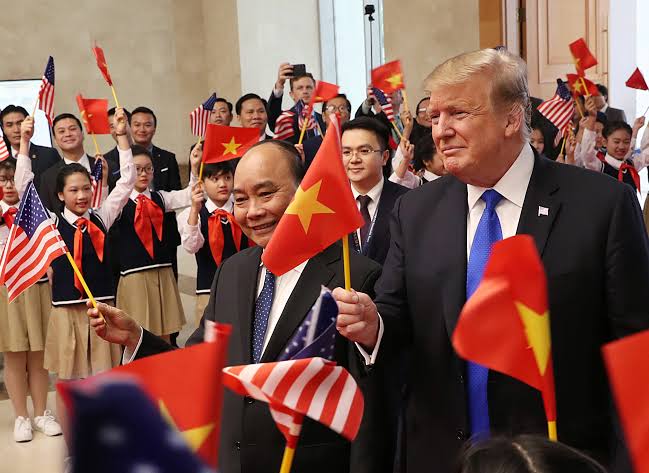
Vietnam intensifies efforts to combat counterfeit goods amid pressure from the US. Authorities plan more raids on knockoff markets and vendors.
During a recent police raid in outer Ho Chi Minh City, authorities uncovered over 23,000 counterfeit slippers emblazoned with the logos of brands like Nike, Adidas, Crocs, and Gucci. This operation showcased a broader effort to reclaim Vietnam’s image as a hotspot for counterfeit luxury goods.
With goods valued at VND 2bn (£57,559; $76,053) seized, the crackdown marks a significant step in Vietnam’s longstanding battle against a black market that has flourished openly for years. At a nearby flea market, counterfeit slippers are sold for just $57 a pair, significantly lower than their authentic counterparts priced at up to $900 overseas, alongside an assortment of fake luxury items, such as Chanel handbags and Rolex watches.
Being internationally recognized for its counterfeit markets, Vietnam is responding to intense global pressure. In early May, the government announced a nationwide initiative aimed at combating intellectual property violations, with an increased focus on counterfeit goods, online piracy, and trademark infringements.
Despite regular raids, the perception remains that these actions are merely superficial. Thanh Truc, a vendor, remarked, “Every now and then the authorities launch anti-counterfeit raids, but they usually focus on higher-value items such as luxury handbags… then things gradually return to normal.” This sentiment resonates with many vendors who have adapted to police inspections over the years.
The drive to eradicate counterfeits has undeniably intensified, fueled by international pressure, particularly from the United States. A recent report from the Office of the United States Trade Representative named Vietnam a “priority foreign country” for its consistent shortcomings in intellectual property rights enforcement. The designation marked the first time in over a decade that a nation has received such a label, underscoring the seriousness of the situation.
In response to potential tariffs, Vietnamese authorities pledged to raise enforcement actions by a minimum of 20% compared to the same period last year. Saigon Square and Ben Thanh Market, two of the most notorious hubs for counterfeit goods, have been at the frontline of these enforcement efforts. Following surprise inspections in mid-May, authorities confiscated counterfeit items and issued fines exceeding $19,000.
Despite the crackdown, local vendors remain unfazed. “Usually, before inspectors arrive, someone here blows a whistle to warn everyone,” explained Thanh Truc. Even after recent raids, vendors continue to find ways to operate, with some stores concealing stock to evade inspection.
Most counterfeit products in Vietnam can be traced back to China, where they are manufactured. Vietnamese wholesalers acquire bulk products, which are then sold to smaller retailers, feeding the cycle of cheap imitation goods. The close proximity to China greatly benefits Vietnam’s counterfeit industry, which thrives on the region’s established supply chains.
In the last three weeks of May, authorities reportedly dealt with over 1,400 intellectual property infringement cases, showcasing a commitment to their crackdown. However, the U.S. has continued to apply pressure, initiating an investigation on whether Vietnam’s insufficient efforts to curb IP violations constitute a serious risk to U.S. commerce.
In another recent operation in Thanh Hoa province, police dismantled a counterfeit jewelry ring, revealing over 10,000 fake items imitating brands like Bvlgari and Louis Vuitton, raking in illicit profits estimated at $1.14 million. Meanwhile, nationwide inspections have led to the shutdown of various market stalls, clothing outlets, and warehouses.
The response from locals, however, is divided. Huong Thi Nguyen, a designer in Ho Chi Minh City, argues that the counterfeit market distorts the Vietnamese retail landscape and undermines genuine designers. She expresses hope that the current crackdown could give her business a fairer playing field. Conversely, consumers like Huy, an office worker, defend their preference for counterfeit goods, citing affordability as a reason.
Experts suggest that the demand for cheaper alternatives is deeply rooted in economic realities, with even low-income consumers finding value in fake products. The challenge for authorities lies in overcoming not only the counterfeit market itself but also the underlying economic factors that drive its existence.
Despite the authorities’ efforts, many believe it is unlikely that the counterfeit market will be eliminated entirely. Vendors will continue to adapt and circumvent regulations, ensuring that the market for counterfeit goods persists in Vietnam.
Keep in touch with our news & offers
Subscribe to Our Newsletter
Thank you for subscribing to the newsletter.
Oops. Something went wrong. Please try again later.