The US government has announced sanctions against ICC officials, escalating its campaign against the court tasked with investigating war crimes.
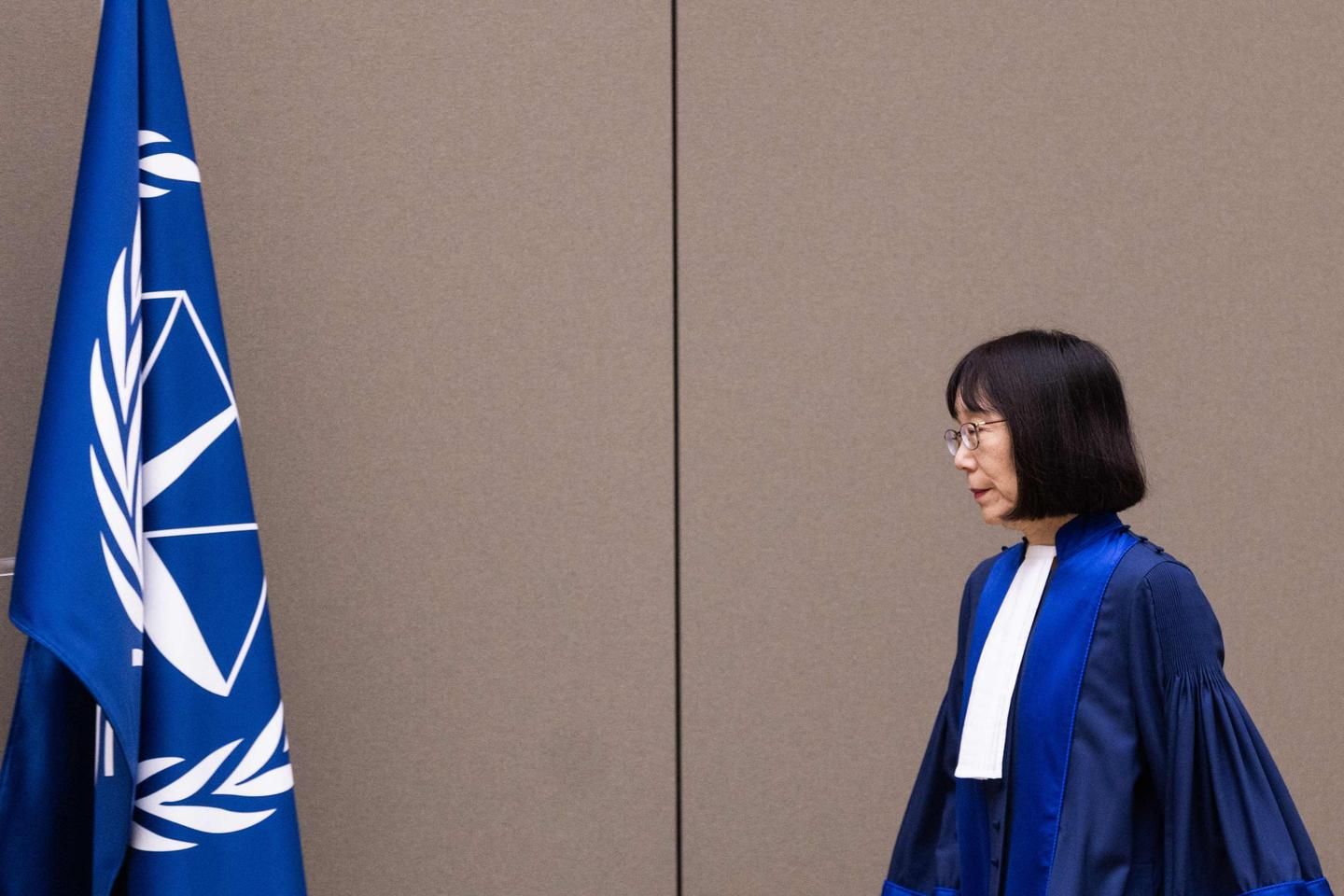
US Secretary of State Marco Rubio has announced sanctions against Tomoko Akane, president of the International Criminal Court (ICC), and senior trial lawyer Abdoulaye Seye. This latest action by the Trump administration further intensifies its efforts to dismantle the ICC, which is recognized by more than 120 member countries for its role in investigating war crimes.
In a bold statement, Rubio cited the administration’s decision to sanction Akane and Seye due to their participation in prosecuting officials from nations that have not consented to the ICC’s jurisdiction. “We will not tolerate its assault on state sovereignty,” Rubio declared, criticizing the ICC as a corrupt and politicized institution that exceeds its authority.
The ICC quickly responded, affirming its support for personnel facing US sanctions and expressing concern that such measures compromise the rule of law. The court’s officials maintain that targeting judicial figures hinders the foundation of the international legal system.
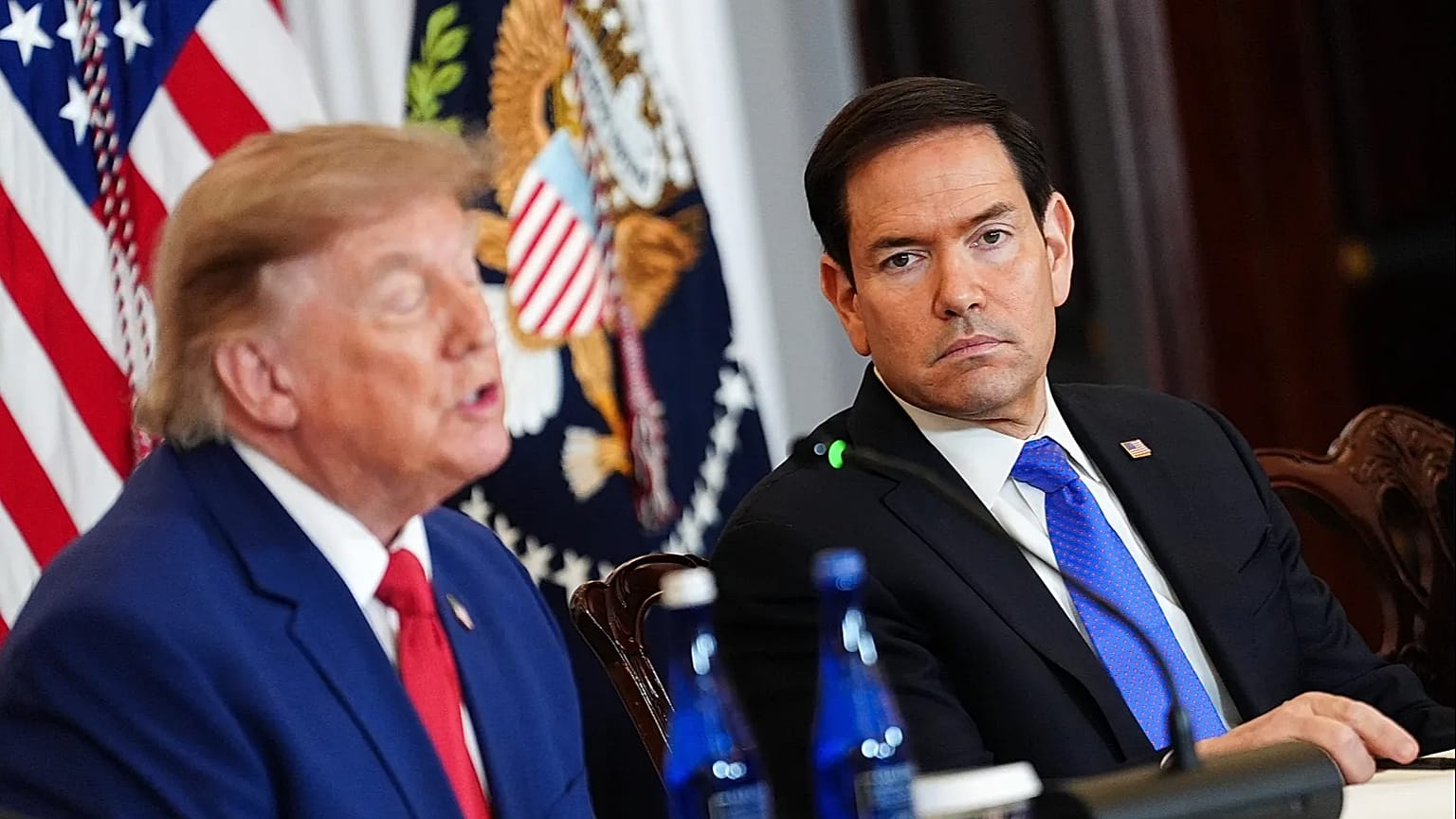
Rubio’s remarks follow a series of sanctions already imposed on 11 ICC officials, including judges and the chief prosecutor, which encompass asset freezes and travel restrictions. This escalation is seen as retaliation for investigations into US personnel concerning actions in Afghanistan and for ICC warrants against Israeli officials accused of war crimes in Gaza, including Prime Minister Benjamin Netanyahu.
Netanyahu vehemently denied these allegations, accusing the court of antisemitism. Neither the US nor Israel is a member of the ICC, while Palestine joined the court in 2015, enabling investigations into potential crimes committed in its territories.
Trump’s opposition to the ICC began during his initial term when he labeled the court a “threat” and dismissed its legitimacy. In recent months, Rubio has urged ICC’s 125 member nations to withdraw, as part of a broader US campaign to dismantle the institution piece by piece.
The ICC, established in 2002, is designed to prosecute genocide, crimes against humanity, and war crimes, either within member states or under referrals by the UN Security Council. The court criticized recent US actions, stating, “Measures targeting judges, prosecutors and staff who work towards the fulfillment of the mandate that was conferred to the ICC by States undermine the rule of law.”
Rights organizations have expressed alarm over the Trump administration’s policy, which they argue undermines international law and impedes accountability for war crimes. Liz Evenson, the international justice director at Human Rights Watch, accused the administration of seeking to provide immunity to chosen individuals. Four major US human rights groups are currently suing the administration over these sanctions, labeling them unconstitutional and detrimental to efforts seeking justice.
In an additional legal action, three ICC judges have themselves brought a lawsuit against the administration for the sanctions imposed on them last year, arguing that these actions were unlawful and aimed at coercing judicial decisions.
The White House maintains that Trump’s actions are justified under the International Emergency Economic Powers Act (IEEPA). The sanctions severely restrict the affected individuals’ ability to perform even basic financial transactions, particularly as banks engaging in any dollar-denominated transactions must comply with the US sanctions.
Since assuming office again, Trump has adopted a more aggressive stance on the ICC, claiming the court is waging a war against the US. In a recent video statement, he stated, “Today, it threatens every aspect of our political and legal system. If they believe they can deprive us of our sovereignty, we will teach them the full meaning of American resolve.”