Drake has gone from a teenage TV actor to one of the most dominant figures in global music. His rise reflects not just talent, but a shift in how music is made, shared, and consumed.

Drake’s rise in the music industry did not happen overnight, but looking back, it can feel that way. What started as a side pursuit while starring on a Canadian teen drama quickly turned into one of the most successful careers in modern music. Today, his influence stretches far beyond charts and streaming numbers. He has helped shape the sound, the business, and even the pace of the industry itself.
Before the global fame, Drake was known as Jimmy Brooks on Degrassi: The Next Generation. It was a steady job, but not the kind that usually leads to music superstardom. Still, he began releasing mixtapes in the late 2000s, building a following online at a time when the internet was starting to change how artists reached audiences. His early work carried a different tone. It was more emotional, more reflective, and less rigid than traditional rap at the time. That shift did not go unnoticed.
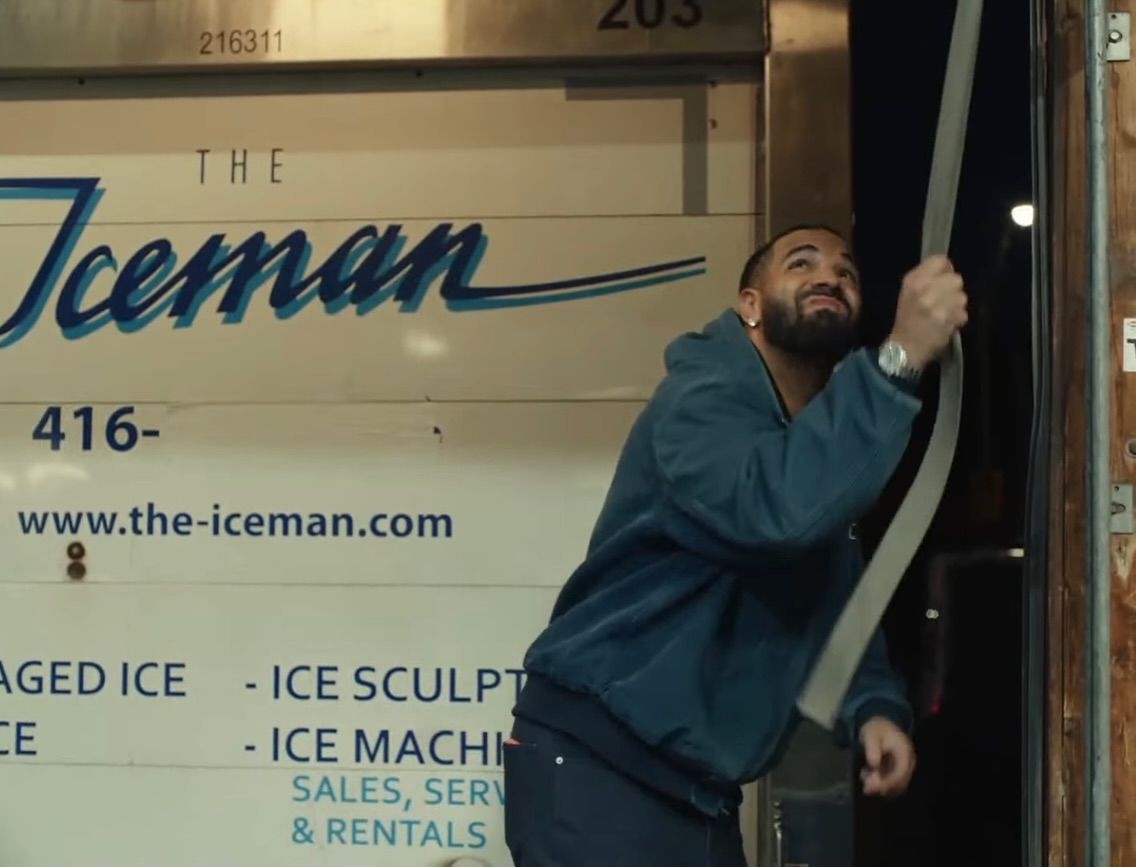
The turning point came when Lil Wayne brought Drake into his Young Money label. From there, the momentum picked up quickly. His debut album found commercial success, but more importantly, it introduced a style that blended singing and rapping in a way that felt natural rather than forced. That approach has since become common across the genre, but at the time, it helped him stand out in a crowded space.
As streaming platforms grew, Drake seemed to move with them rather than against them. His releases often felt timed for maximum impact, with frequent drops that kept him constantly in the conversation. Songs like Hotline Bling and One Dance did not just perform well, they became cultural moments. The music was accessible, the hooks were memorable, and the online reaction helped carry them even further. In many ways, Drake understood early on that music was no longer just about radio play. It was about presence, visibility, and staying relevant in real time.
There has also been criticism along the way. Some have questioned the consistency of his sound or pointed to how often he adapts to new trends. Others see that adaptability as part of his strength. In an industry that moves quickly, staying still can be risky. Drake has rarely done that. Instead, he has shifted between styles, collaborated widely, and kept his audience engaged across different genres and regions.
His influence can now be seen in a new generation of artists who blur the lines between rap, R&B, and pop without much concern for labels. The emotional openness that once set him apart is now part of the mainstream. At the same time, his business moves, from partnerships to branding, have shown how artists can expand beyond music without losing relevance.
Where Drake goes next is harder to predict. He has already achieved a level of success that few artists reach, and expectations remain high with every release. Still, his career suggests that he is less interested in standing still and more focused on staying in the mix. Whether that means reinventing his sound again or continuing to refine what works, his place in modern music feels firmly established.
What makes his rise notable is not just the success itself, but the timing. Drake came up as the industry was changing, and instead of resisting that shift, he leaned into it. That decision has made all the difference, and it is a big part of why his story continues to resonate.
Keep in touch with our news & offers
Subscribe to Our Newsletter
Thank you for subscribing to the newsletter.
Oops. Something went wrong. Please try again later.