
Russia’s fuel shortages deepen due to ongoing Ukrainian drone strikes targeting oil facilities, forcing significant policy changes and nationwide impacts.
Russia’s fuel shortages deepen due to ongoing Ukrainian drone strikes targeting oil facilities, forcing significant policy changes and nationwide impacts.
Fuel shortages that have been escalating since summer 2025 have culminated in a nationwide crisis for Russia, compelling the oil-rich nation to halt energy sales and instead turn to imports.
In Crimea, one of the first regions affected, public gasoline sales were restricted weeks ago. Sergey Aksyonov, the Russian-backed governor of Crimea, reiterated the difficult situation on Wednesday, stating, “The fuel supply situation remains tense and will persist for some time. On certain days, fuel will not be available for sale.”
As of June 22, Crimea announced it would stop selling fuel to all but federal authorities and essential services. The ongoing crisis is largely attributed to a series of drone strikes conducted by Ukraine to isolate the peninsula. Crimea is linked to mainland Europe and Russia by key land bridges, all of which have faced intense attacks recently.
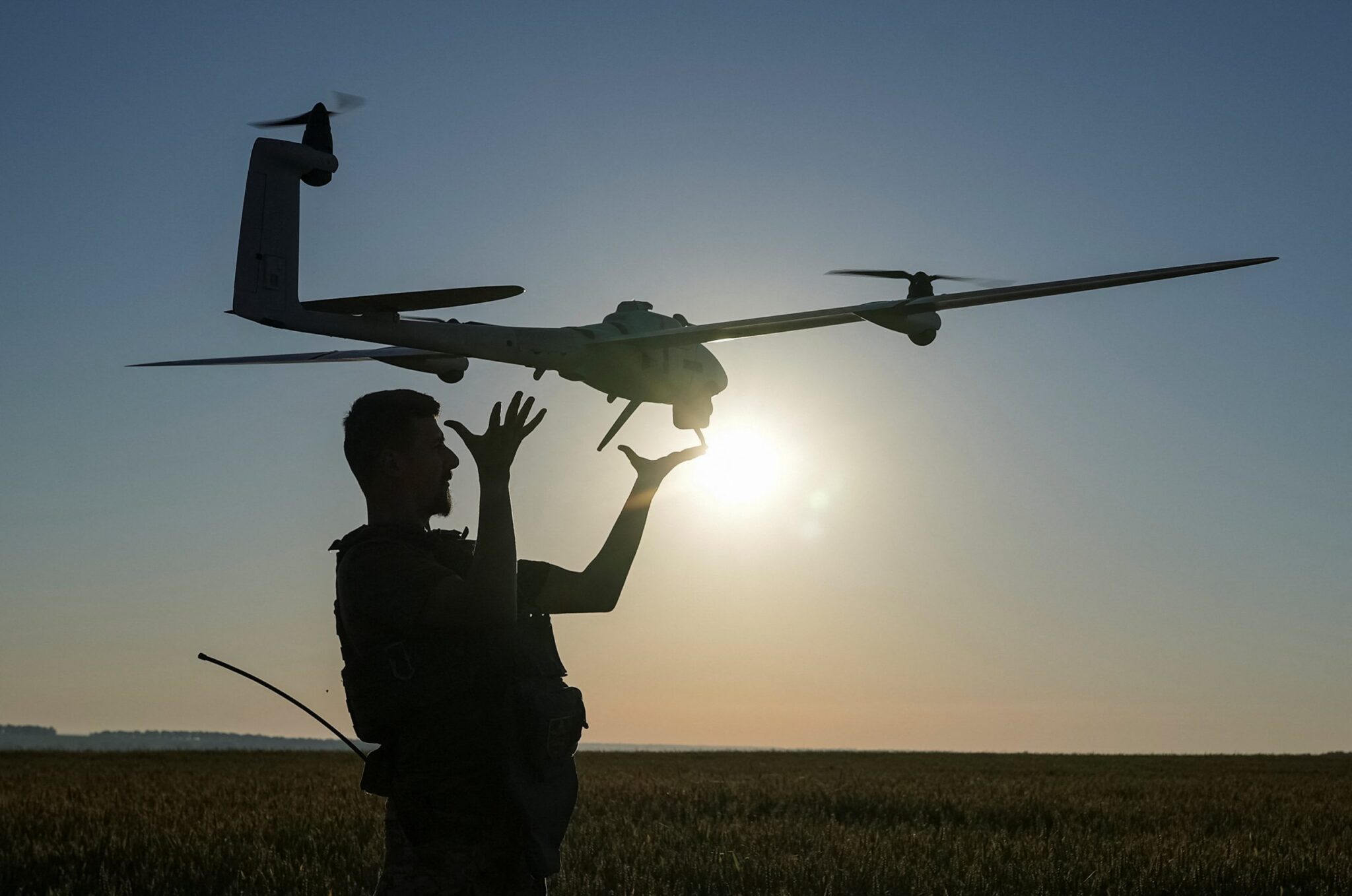
Ukrainian forces have employed a new class of long-range fixed-wing drones, often enhanced with artificial intelligence features for better survival against signal jamming. These drones have systematically targeted critical supply routes and vehicles traversing the peninsula.
One significant target has been the R-280 highway, a vital supply route running from Rostov-on-Don to Crimea along the western edge of the Sea of Azov. According to Ukrainian forces, traffic on this route has plummeted by over 70% since June.
Continuing their bombardments, Ukrainian drone teams reported striking more than 360 oil tankers and heavy transport vehicles en route to Crimea within just a week. As stated by the Unmanned Systems Forces, “Every tanker and every unit of heavy transport on this route is a legitimate military target.”
The fuel crisis is not confined to Crimea alone. Over the past year, Ukraine has persistently targeted Russian oil and gas infrastructure using long-range jet-launched drones.
According to Russian government reports, gasoline production has fallen by 17%, with about one-third of local oil refining capacity suffering damage. Ukrainian sources claim that 42.74% of Russia’s total oil refining capacity has been knocked out, though this figure remains unverified externally.
The effects are being felt across the nation. Current statistics indicate that 78 of the 83 regions in Russia are experiencing shortages of gasoline or diesel. Notably, 48 of these regions have enforced some limitations on fuel purchases, as reported by a Washington-based think tank, the Institute for the Study of War.
In Moscow, lines of vehicles have appeared outside petrol stations in recent days. Social media captures show the extent of the crisis, with reports of individuals waiting for hours, and one man claimed to have endured a 36-hour wait in Zabaykalsky Krai in Russia’s Far East.
In response, the Kremlin announced on Wednesday a ban on diesel and jet fuel exports. They also stated that the country has begun importing petrol and sourcing fuels that meet lower environmental standards.
Russian President Vladimir Putin acknowledged the shortages during a meeting with government officials last week, attempting to reassure the public by labeling the fuel issue as “temporary matters.”
Keep in touch with our news & offers
Subscribe to Our Newsletter
Thank you for subscribing to the newsletter.
Oops. Something went wrong. Please try again later.