Vladimir Putin rose from relative obscurity to become one of the most influential figures in global politics, reshaping Russia’s role on the world stage through strategy, control, and calculated risk.
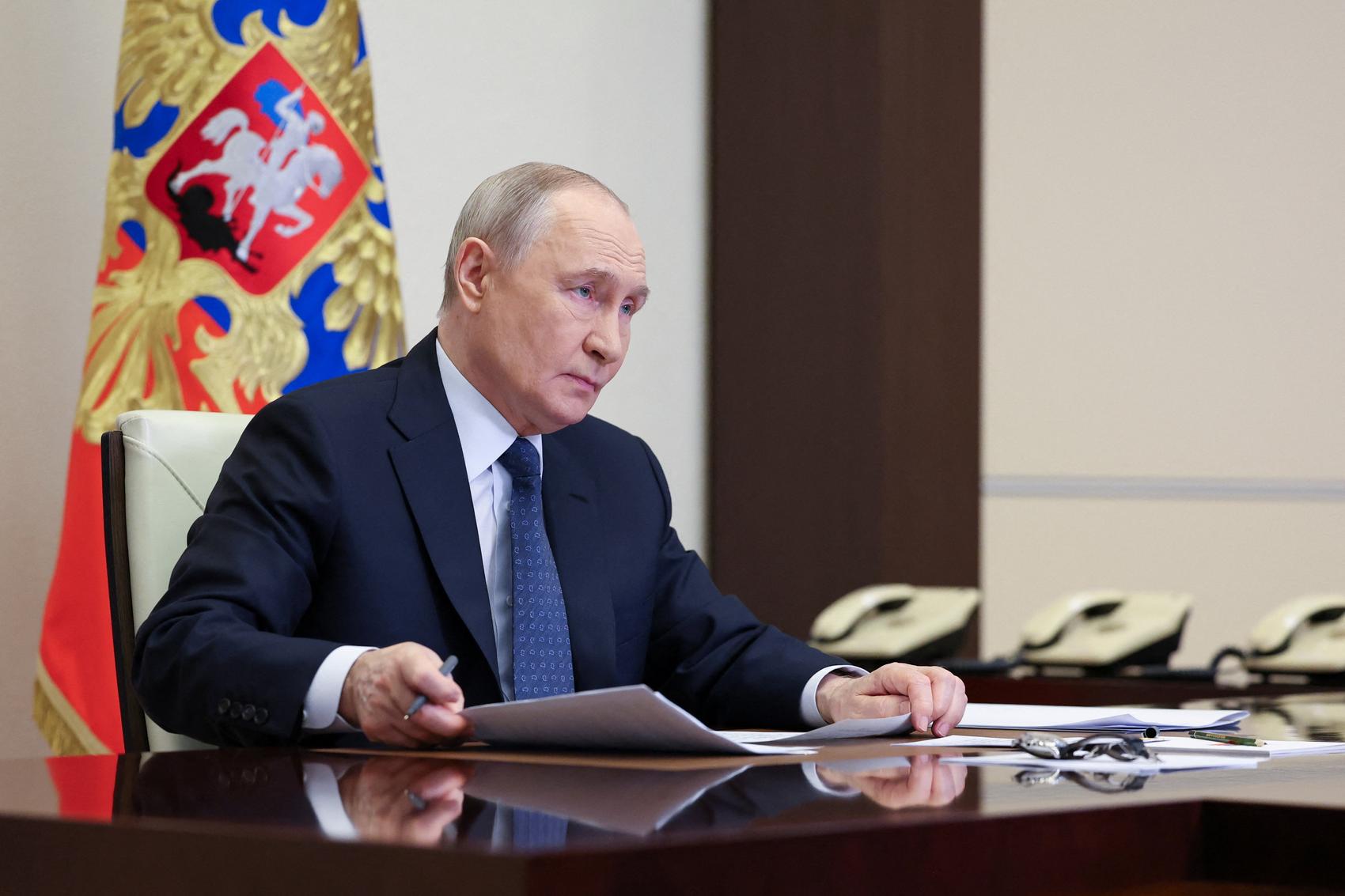
When Vladimir Putin first stepped into power at the turn of the century, Russia was not seen as a dominant force. The country was still recovering from the collapse of the Soviet Union, its economy unstable, its political system uncertain, and its global influence fading. For many outside observers, Russia looked like a weakened state struggling to define itself. What followed over the next two decades would change that perception entirely.
Putin’s rise itself was unusually rapid. A former intelligence officer with the KGB, he moved through political ranks quietly before being appointed prime minister in 1999 by Boris Yeltsin. Within months, Yeltsin resigned, handing Putin the presidency. It was a moment that seemed sudden, but it came at a time when Russia was desperate for stability. Putin positioned himself as exactly that, a figure of order after a decade of chaos.
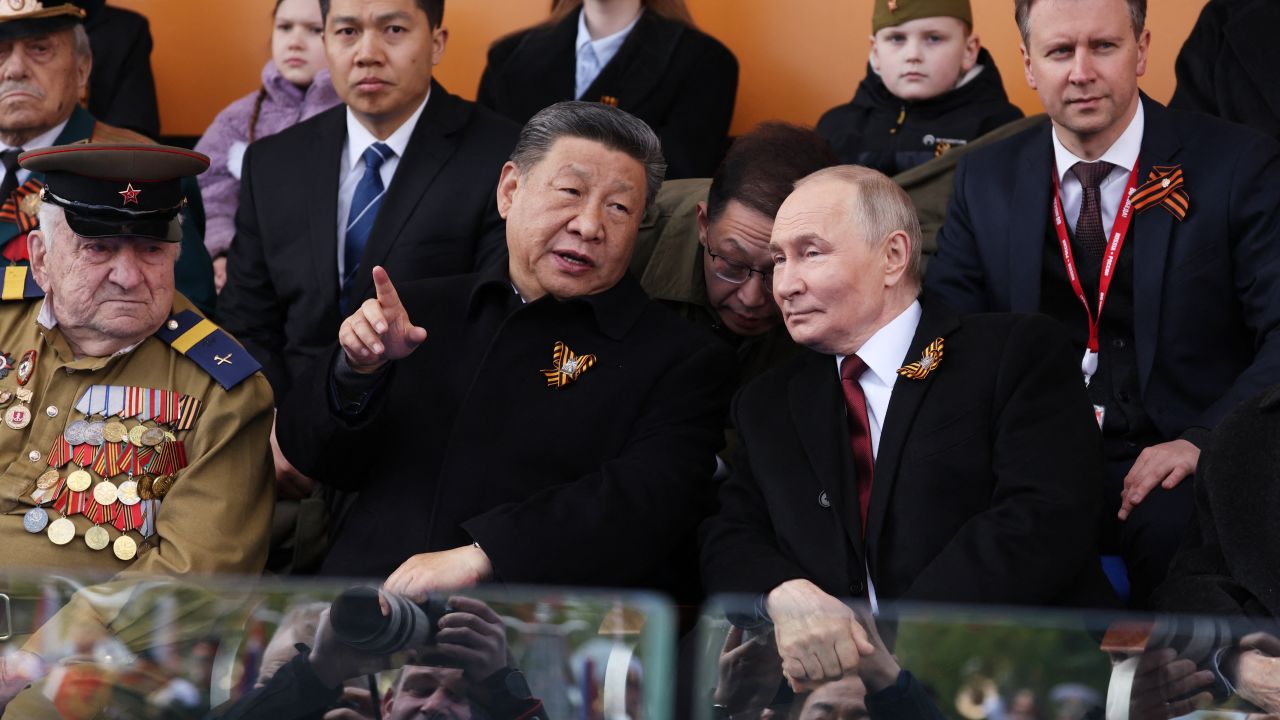
Early in his leadership, Putin focused heavily on consolidating power at home. He tightened control over regional governments, reduced the influence of oligarchs who had dominated the economy, and reasserted state authority over key industries, particularly energy. Russia’s vast oil and gas reserves became a central tool, not just for economic recovery, but for political leverage. Rising global energy prices in the early 2000s gave the Kremlin financial strength, and Putin used that to rebuild both the economy and the state’s confidence.
At the same time, Putin reshaped Russia’s political system. Critics argue that democratic institutions weakened during this period, with opposition figures sidelined and media increasingly controlled. Supporters, however, saw a leader restoring national pride and stability. Either way, it marked a clear shift. Russia was no longer drifting, it was being directed.
On the global stage, Putin’s approach became more assertive over time. Russia began to challenge Western influence more openly, particularly that of the NATO. Tensions grew as NATO expanded eastward, something Moscow viewed as a direct threat. Putin responded by reasserting Russia’s presence in former Soviet regions and beyond, making it clear that the country intended to be taken seriously again.
Key moments defined this shift. The 2008 conflict in Georgia signalled a willingness to use military force to protect Russian interests. Later, the annexation of Crimea in 2014 following the Ukraine crisis shocked much of the world and led to widespread sanctions. For Putin, these actions reinforced an image of strength at home, even as they strained relations abroad.
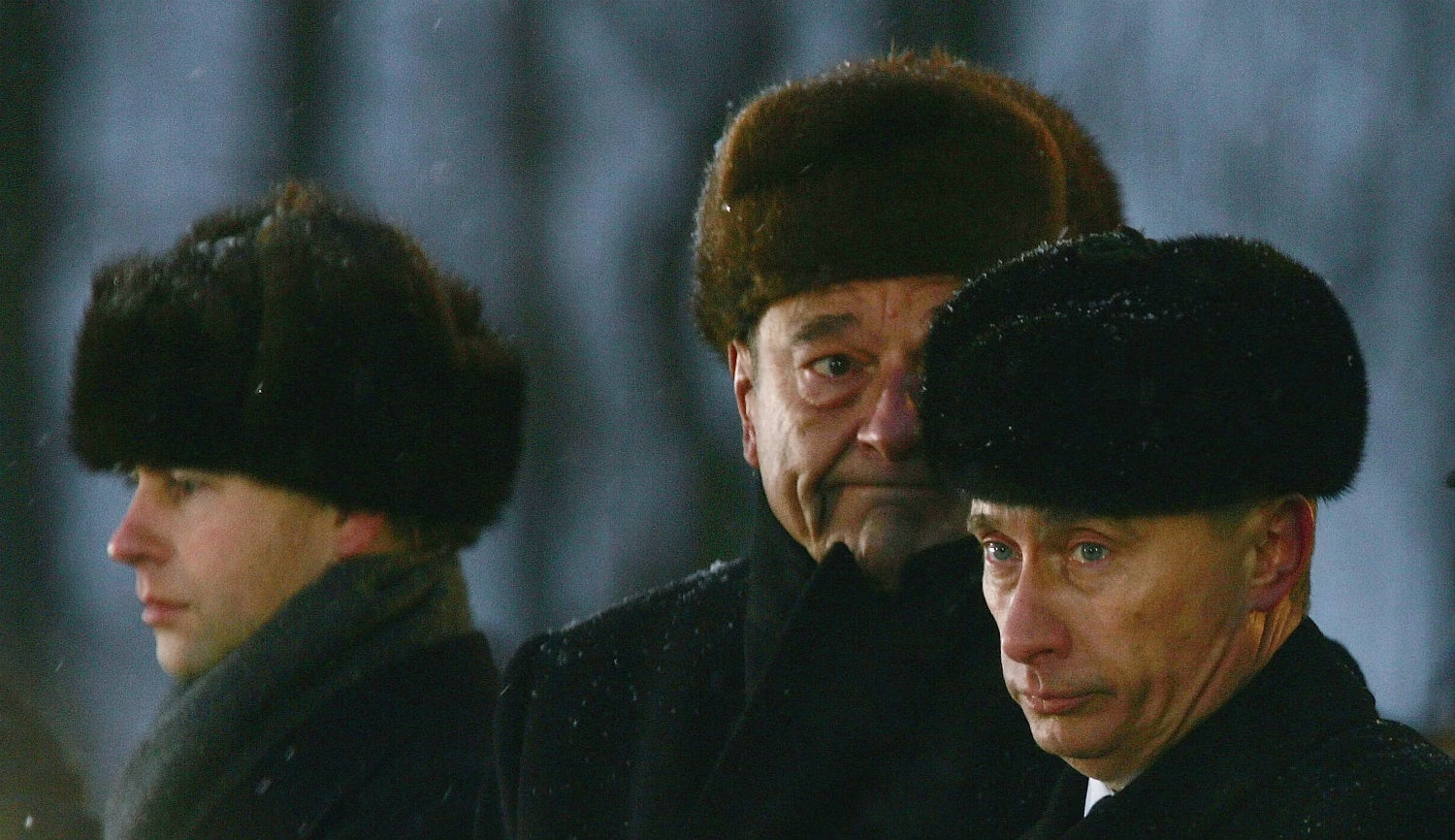
Beyond military moves, Russia also expanded its influence in less direct ways. It became a major player in Middle Eastern politics, particularly through its involvement in Syria. Cyber capabilities, intelligence operations, and strategic alliances all became part of the broader toolkit. Putin’s Russia operated differently from the Soviet Union, less ideological, more pragmatic, often focused on influence rather than outright control.
Reactions to Putin’s rise have always been sharply divided. Some view him as the architect of Russia’s return to global relevance, a leader who reversed decline and restored national standing. Others see a more concerning picture, one where power is tightly controlled, dissent is limited, and international norms are frequently challenged. The truth sits somewhere in the tension between those perspectives.
What cannot be denied is the scale of the transformation. Russia today is not the weakened state it appeared to be in the 1990s. It holds influence in key regions, commands attention in global discussions, and operates with a level of strategic confidence that few predicted at the start of Putin’s rule.
As the world continues to shift, questions remain about how long this model can last. Economic pressures, international isolation, and internal challenges all play a role in shaping what comes next. But for now, Vladimir Putin remains central to Russia’s identity on the world stage.
His rise was not accidental. It was built through timing, control, and an ability to read both domestic and global dynamics. Whether that legacy is seen as strength or something more complicated will depend on how the next chapter unfolds.
Keep in touch with our news & offers
Subscribe to Our Newsletter
Thank you for subscribing to the newsletter.
Oops. Something went wrong. Please try again later.