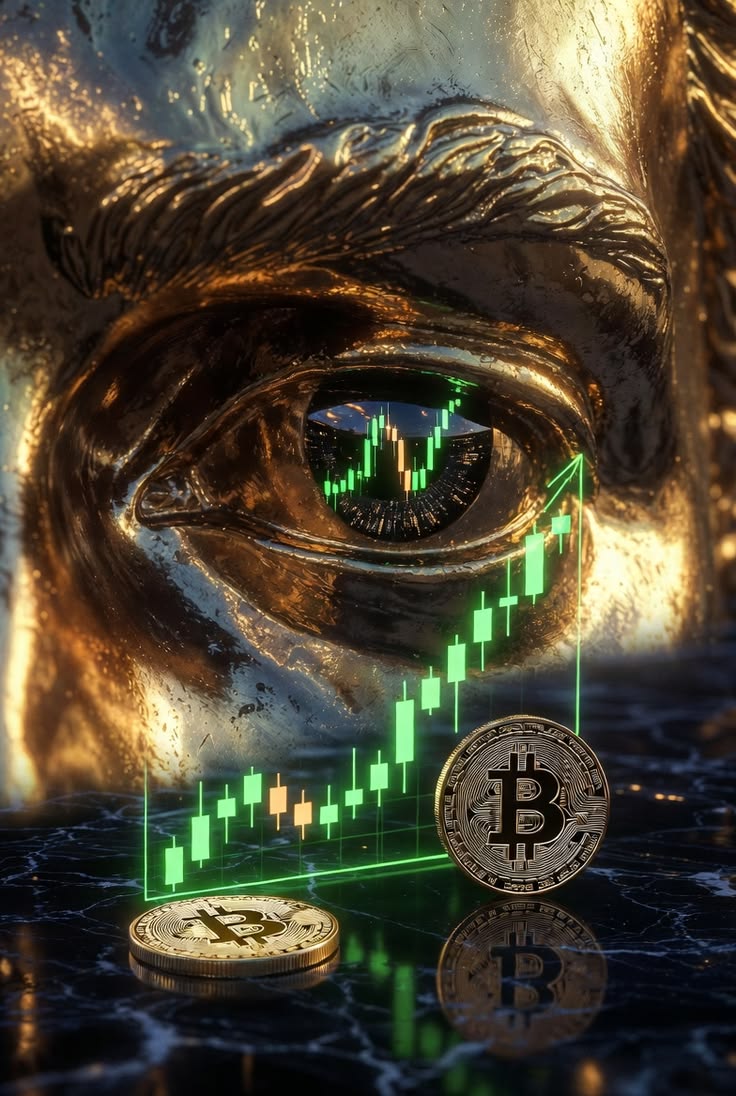
Bitcoin began as a niche idea shared online but has grown into one of the most talked about financial assets in the world, reshaping how people think about value and control.
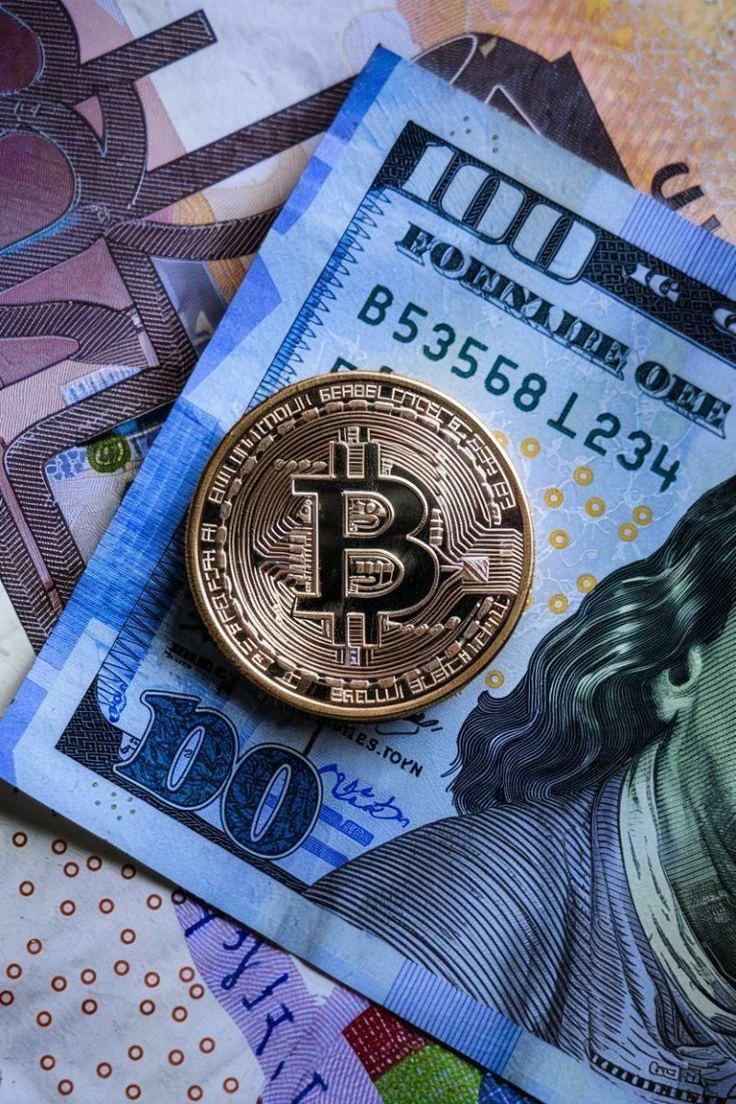
When Bitcoin first appeared in 2009, it did not look like something that would challenge global finance. It had no physical form, no backing from a government, and very few people paying attention. Yet over time, it has grown into a system that millions now use, trade, and debate. Its rise has not been smooth or predictable, but it has forced a serious conversation about what money actually is and who gets to control it.
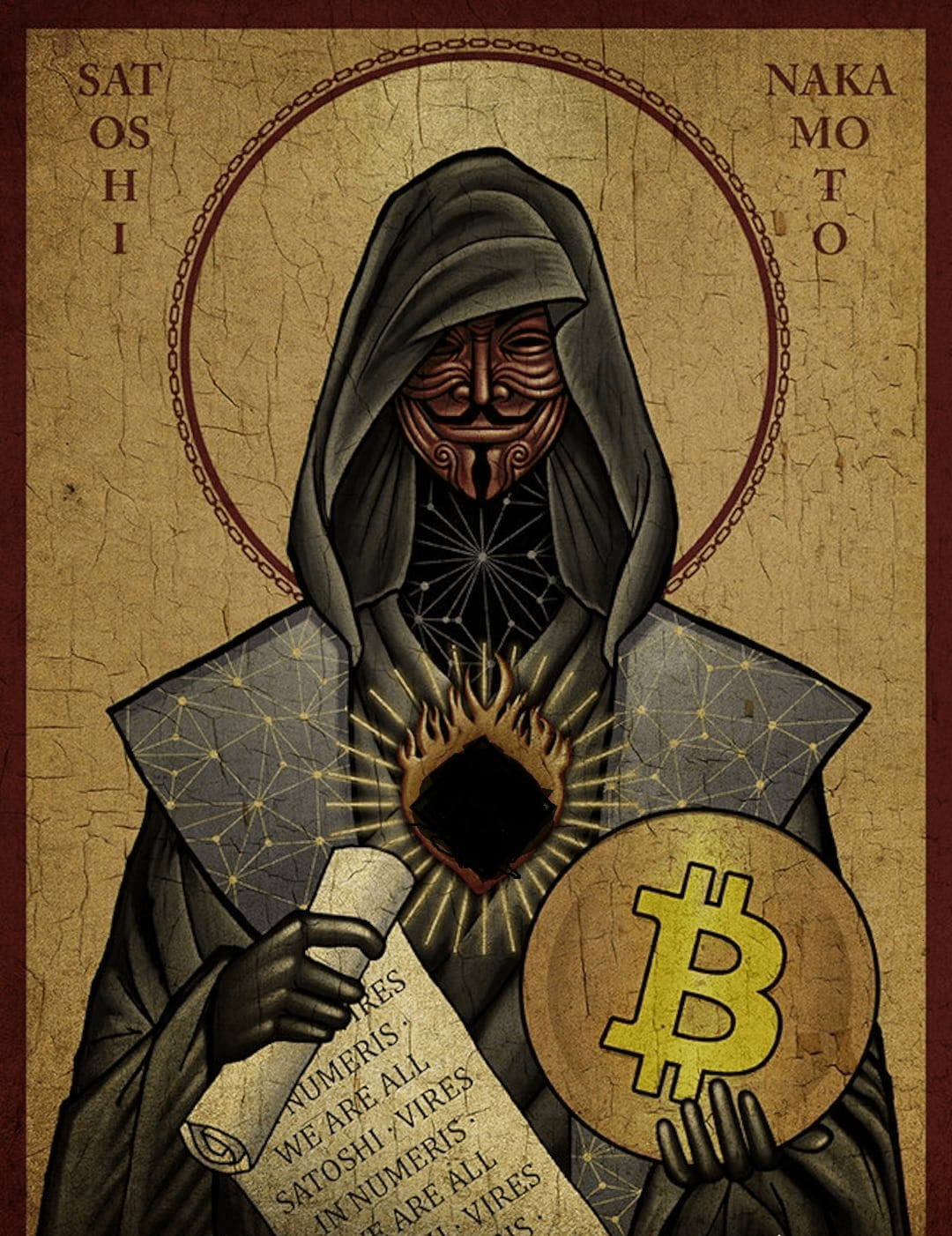
The story begins with Satoshi Nakamoto, a name that still carries a sense of mystery. No one knows for certain who or what is behind it. In 2008, just as the global financial system was shaken by crisis, Nakamoto released a whitepaper outlining a new kind of currency. The idea was simple in theory but radical in practice. It described a decentralised system where people could send money directly to each other without relying on banks or intermediaries. That concept alone challenged long held assumptions about trust and authority in finance.
Early on, Bitcoin was mostly used by developers, hobbyists, and people curious about cryptography. It had little real world value at the time. One of the most famous early transactions involved someone paying 10,000 Bitcoin for two pizzas, a detail that has since become part of internet folklore. Back then, it was more of an experiment than an investment. What mattered was whether the system worked, not what the coins were worth.
The technology behind it, known as blockchain, played a huge role in building trust. Instead of relying on a central authority, transactions were verified and recorded across a network of computers. This made it extremely difficult to alter records or fake ownership. Over time, this transparency helped people take the idea more seriously. It was not just a digital token. It was a system that could operate independently of traditional finance.
As awareness grew, so did interest. Around the early 2010s, Bitcoin began to gain attention as its price started to rise. This is where the shift began. What was once a niche project turned into something people could invest in. The limited supply, capped at 21 million coins, added to its appeal. Unlike traditional currencies that can be printed, Bitcoin introduced scarcity by design. That scarcity, combined with growing demand, began to drive its value upward.
Of course, the journey has not been straightforward. Bitcoin has gone through multiple boom and bust cycles. Prices have surged to new highs, only to fall sharply at times. These swings have made it both exciting and risky. Critics have often pointed to this volatility as a reason to stay away, while supporters argue that it is part of an emerging asset finding its place. The truth probably sits somewhere in between. It is still evolving, and with that comes uncertainty.
Today, Bitcoin is used in several different ways. For some, it is a long term investment, often compared to gold as a store of value. For others, it is a tool for transferring money quickly across borders without needing banks. In certain parts of the world, where access to financial services is limited or unstable, Bitcoin has offered an alternative. It gives individuals a level of control over their money that traditional systems do not always provide.
There has also been a noticeable shift in how institutions view Bitcoin. What was once dismissed by major financial players is now being taken more seriously. Investment funds, companies, and even some governments have explored ways to integrate or regulate it. This has helped push Bitcoin further into the mainstream, even if debate around it continues.
Public opinion remains divided, though it feels less extreme than it once was. There are still those who see it as a speculative bubble, while others believe it represents the future of finance. What has changed is the level of awareness. Even people who do not own Bitcoin usually know what it is, and that alone marks a significant shift from its early days.
Looking ahead, the future of Bitcoin will likely depend on a mix of regulation, adoption, and technological development. Governments are still figuring out how to approach it, which could shape how widely it is used. At the same time, innovation within the space continues, with new ideas building on the foundation Bitcoin created.
What makes Bitcoin stand out is not just its price or popularity, but the way it has challenged traditional thinking. It has introduced the idea that money can exist outside of central control, that trust can be built through code rather than institutions, and that value can be defined in new ways. Whether it continues to grow or faces new obstacles, its impact is already clear.
For now, Bitcoin sits in a unique position. It is no longer an outsider, but it is not fully settled either. It exists somewhere in between, shaping conversations while still being shaped itself. And that uncertainty, rather than being a weakness, might be part of what keeps people watching.
Keep in touch with our news & offers
Subscribe to Our Newsletter
Thank you for subscribing to the newsletter.
Oops. Something went wrong. Please try again later.