German authorities crack down on smuggling with raids, seizing thousands of life jackets and dinghies intended for illegal boat crossings.
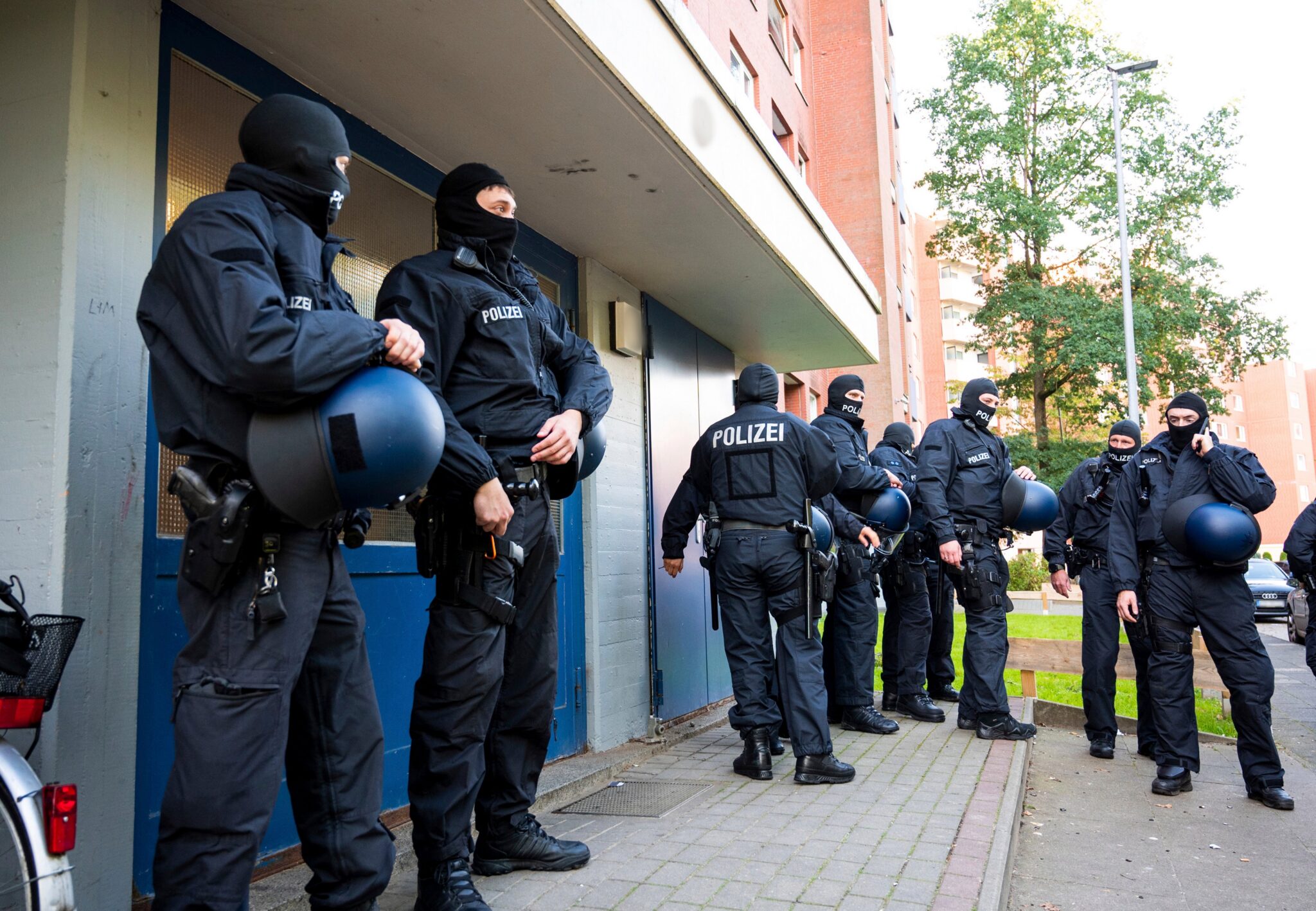
Germany has launched its first enforcement actions under a new law aimed at dismantling smuggling operations facilitating small boat crossings to the UK. During recent joint operations involving police from the UK, France, and Germany, authorities have seized more than 9,000 life jackets, dozens of dinghies, and 360 pumps in the North Rhine-Westphalia region.
This crackdown comes as part of a coordinated effort to thwart gangs using Germany as a staging ground for illegal migrant crossings in the English Channel. Authorities estimate that the seized boats could have been used to transport over 2,000 migrants to the UK.
The newly confiscated equipment is currently stored at a secure, undisclosed location. Historically, the smuggling gangs operated out of hidden sites, but following a law passed in December, aiding in the smuggling of migrants to the UK has become a distinct criminal offense.

Previously, Germany’s anti-smuggling laws largely addressed smuggling only within the EU and did not extend to third countries, including the UK post-Brexit. The recent raids indicate a significant shift in enforcement strategy, with Germany set to tighten laws further in 2024, enabling swifter prosecution of those involved in smuggling activities.
The National Crime Agency first announced the raids in June, estimating that the seized dinghies could carry roughly 65 individuals each. While these numbers are lower than those of the so-called mega dinghies spotted over the summer, they align with averages as the trend of increasing migrant crossings continues.
Oxford’s Migration Observatory has indicated that the proliferation of larger vessels is likely a response by smugglers to increased enforcement, incentivizing them to maximize the number of migrants per crossing.
The life jackets in the police storehouse are inadequately equipped for the perilous conditions of the Channel, consisting mostly of thin poly-foam material. Interestingly, many of these items are believed to originate from China, passing through Turkey en route to Europe, suggesting a wider network of smuggling operations extending beyond Germany.
According to officials, Kurdish networks are significantly involved in these operations, utilizing Germany’s position in western Europe to facilitate crossings. Analysts have noted that the current changes in German law could enable police to pursue investigations more vigorously than in the past.
While the German legal framework now presents tougher measures, some local prosecutors caution that its effectiveness remains largely untested. Legal expert Bernhard Schmeilzl pointed out that despite the amendments, law enforcement agencies might still prioritize domestic issues before turning their attention to smuggling.
Reports indicate that there has been increasing pressure on smuggling gangs across Europe, including Germany. Although overall crossings in the Channel are projected to be lower this year, the UK Home Office attributes this decline to more active disruption efforts rather than environmental factors.
Opposition politicians, however, have argued that adverse weather conditions in the Channel, rather than government action, are responsible for the drop in crossings. As of early August, the UK government has reported a 43% decrease in crossings compared to the same period last year, crediting cooperative efforts with German authorities as key to these results.