Financial markets did not begin with skyscrapers and trading floors. They started in small gatherings and evolved over centuries into the powerful systems that now shape economies worldwide.



Financial markets did not begin with skyscrapers and trading floors. They started in small gatherings and evolved over centuries into the powerful systems that now shape economies worldwide.
Long before digital trading and global exchanges, financial markets were built on something much simpler. People needed a way to raise money and share risk. In the early 1600s, one of the first major steps came with the Dutch East India Company, which allowed investors to buy shares in its voyages. It was a practical idea at the time. Instead of one person taking on all the risk of a long and dangerous journey, many could invest and share the outcome. That basic concept still sits at the heart of modern markets.
By the late 17th and early 18th centuries, trading had begun to take shape in Europe. In London, traders would gather in coffee houses to buy and sell shares. These places were not designed as financial centres, but they quickly became hubs of information and deal making. It was noisy, informal, and at times chaotic. But it worked. Prices were agreed, deals were struck, and a system began to form. It was far from perfect, and speculation often ran ahead of reality, but it showed that markets could grow naturally from demand rather than being built overnight.
The languages only differ in their grammar, their pronunciation and their most common words. Everyone realizes why a new common language would be desirable: one could refuse to pay expensive translators. The European languages are members of the same family.
Financial markets have evolved from small, informal trading gatherings into vast global systems that influence economies, businesses, and everyday life. What started with simple agreements to share risk has grown into a complex network of exchanges and investors worldwide.
The transformation of financial markets reflects how economies have expanded and become more connected over time.
Across the Atlantic, a similar story was beginning to unfold. In 1792, a group of traders in New York signed what became known as the Buttonwood Agreement. They agreed to trade securities among themselves under a buttonwood tree on Wall Street. It sounds almost too simple compared to what exists today, but that agreement laid the foundation for what would become the New York Stock Exchange.
As the United States economy expanded during the 19th century, so did its markets. Railroads, banks, and industrial companies needed capital, and investors were willing to provide it. The exchange grew alongside the country itself. Over time, it became more organised, with rules, listed companies, and formal trading practices. It also began to attract attention from beyond the US, slowly turning into a global financial centre rather than just a local one.
Financial markets have never moved in a straight line. Periods of growth have often been followed by sharp downturns. The crash of 1929 remains one of the most defining moments, triggering the Great Depression and forcing governments to rethink how markets should be regulated. It exposed how quickly confidence could disappear and how deeply markets could affect everyday lives.
Despite setbacks, markets continued to expand through the 20th century. Technology played a major role. Trading moved from paper to electronic systems, making transactions faster and more accessible. Globalisation also changed everything. Investors were no longer limited to their own countries. Capital could move across borders in seconds, linking markets together in ways that would have been impossible just decades earlier. This brought opportunity, but also new risks, as shocks in one part of the world could quickly spread to another.

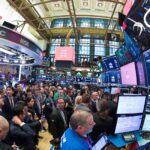
Today’s financial markets are vast, complex, and deeply connected to daily life. Pension funds, savings accounts, and even small personal investments are tied into systems that operate on a global scale. What happens on Wall Street or other major exchanges can influence jobs, wages, and economic stability far beyond the trading floor.
There is also a growing sense that markets have become both more powerful and more unpredictable. High speed trading, algorithm driven decisions, and constant global connectivity mean changes can happen in seconds. For some, this represents progress and efficiency. For others, it raises questions about control and fairness. Either way, the journey from small gatherings under trees and in coffee houses to today’s global networks shows just how far financial markets have come, and how central they have become to the modern world.
To achieve this, it would be necessary to have uniform grammar, pronunciation and more common words. If several languages coalesce, the grammar of the resulting language is more simple and regular than that of the individual languages.
Thank you for subscribing to the newsletter.
Oops. Something went wrong. Please try again later.
Read trusted, award-winning journalism.
Just $2 for 6 months.
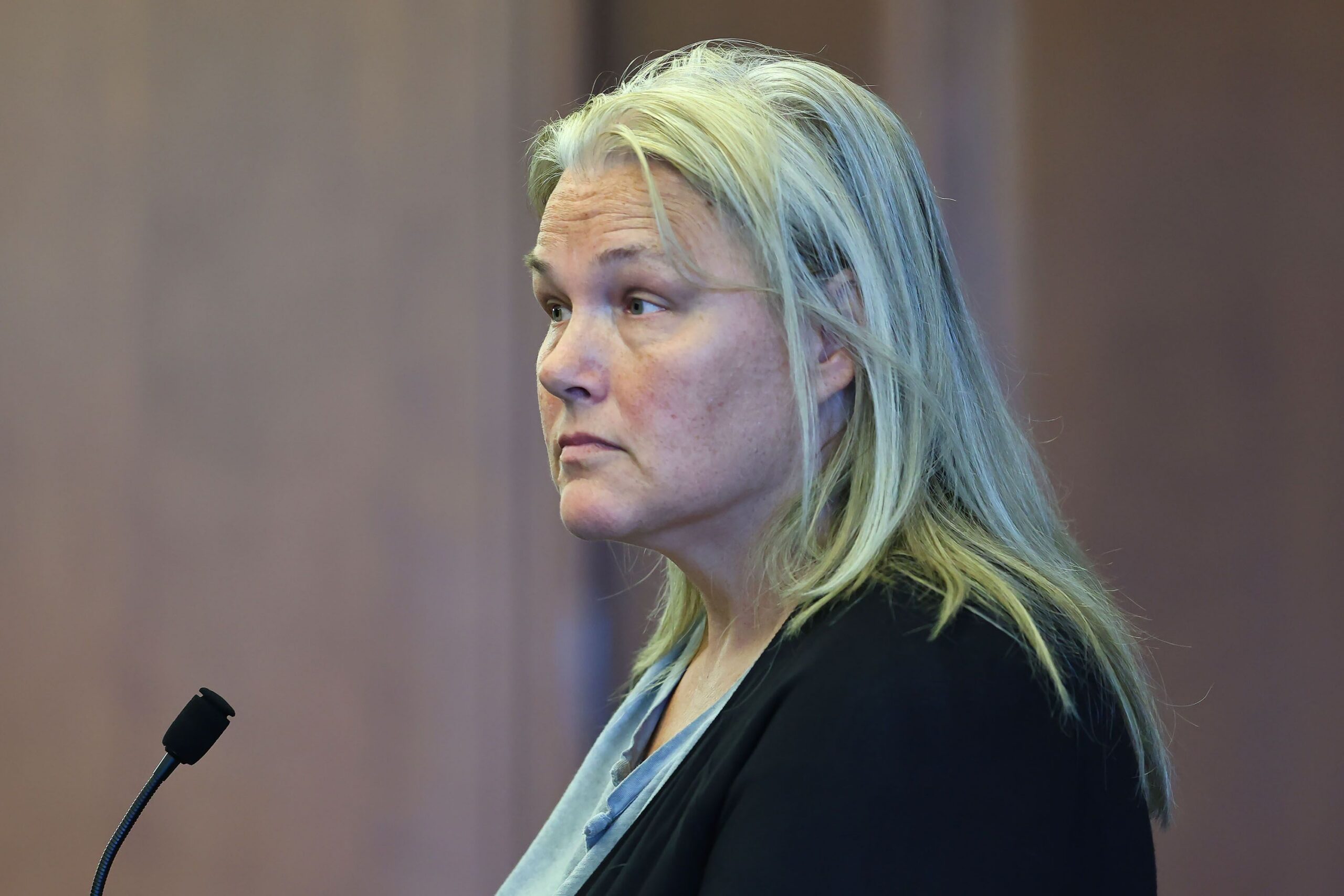
A woman, who was arrested for taking photos of jury members outside the courthouse in the Lindsay Clancy trial, has been charged with aggravated intimidation of a juror.Dawn Light, 56, is accused of sitting in a restricted area outside the Plymouth courthouse and photographing jurors as they exited the building on Tuesday. Her lawyer called …
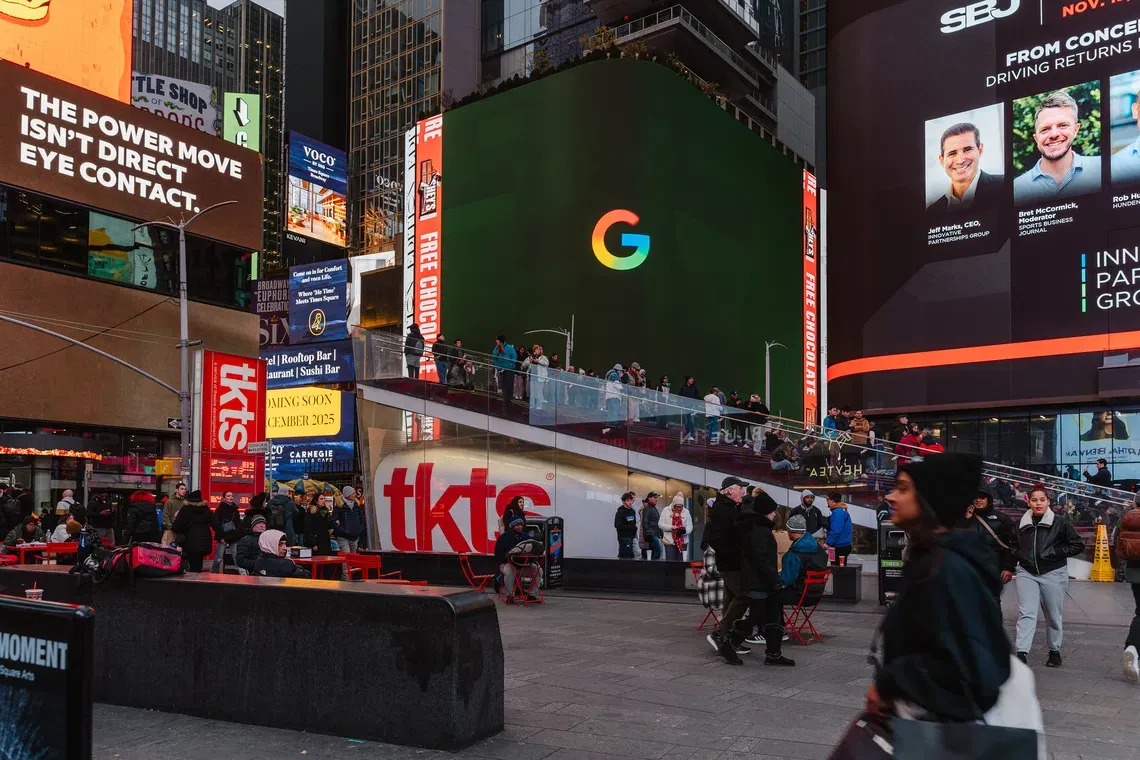
A federal judge ruled Wednesday that Google does not have to break up its adtech business — a significant decision following the Justice Department's pursuit of a drastic remedy after the tech giant was identified as operating an illegal monopoly in several online advertising markets. This ruling marks the second instance where Google has successfully …
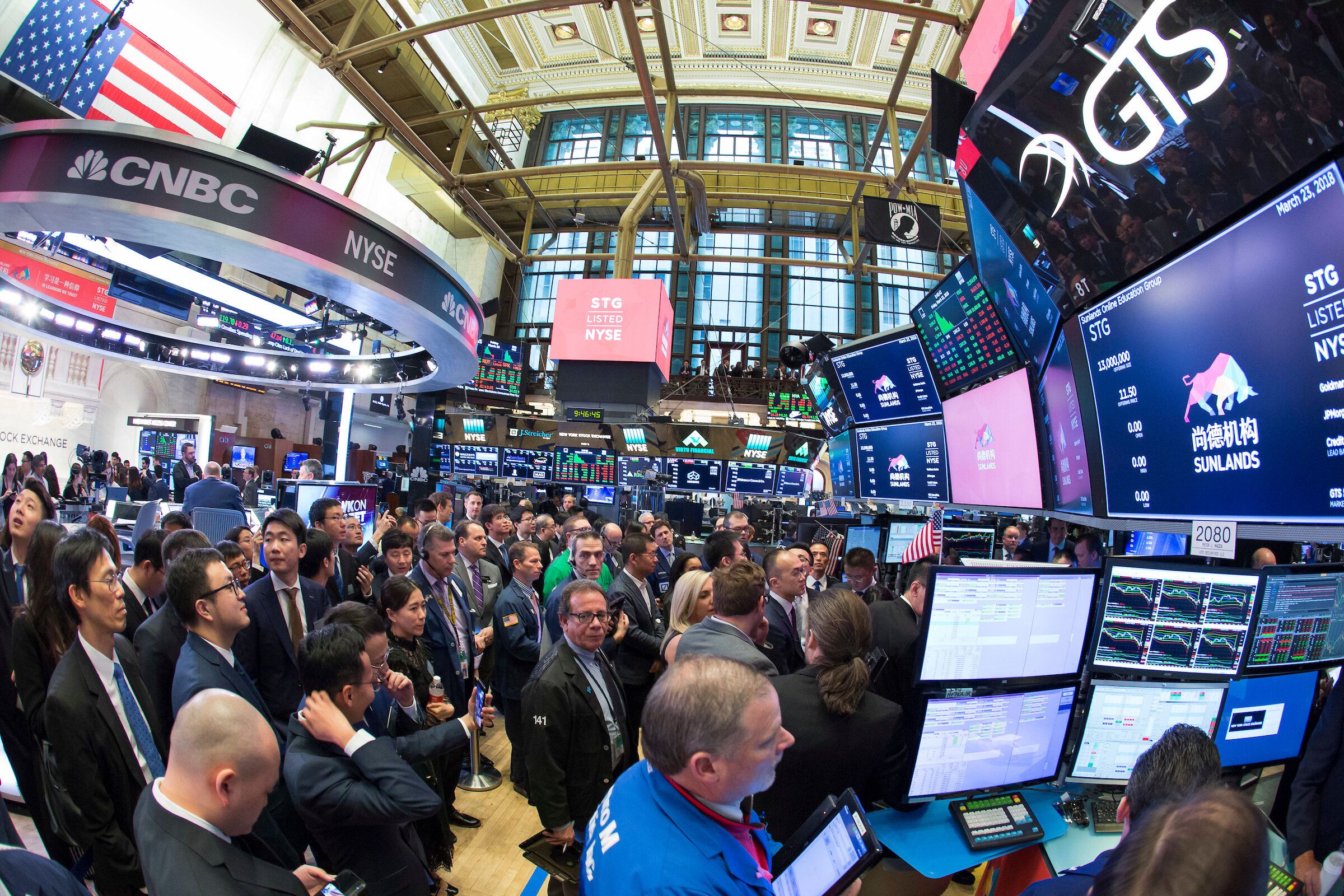
Explore the biggest midday stock movements including PG&E, Dell, and Brown-Forman as they make headlines in trading. Several companies are making significant moves in midday trading today, drawing attention from investors and market analysts alike.Among the key players is PG&E, which is experiencing notable fluctuations in its stock price. The utility provider has been a …
Warren Buffett's significant investment in Alphabet, largely influenced by AI growth, reveals his ongoing involvement in Berkshire Hathaway, says CEO Greg Abel. Warren Buffett's recent bet on Alphabet is closely tied to the burgeoning AI boom, with Greg Abel indicating that the legendary investor continues to shape decisions at Berkshire Hathaway. Abel, who took over …