Forex is the world’s largest financial market, where currencies are traded daily, shaping global economies and offering opportunities for investors and traders alike.
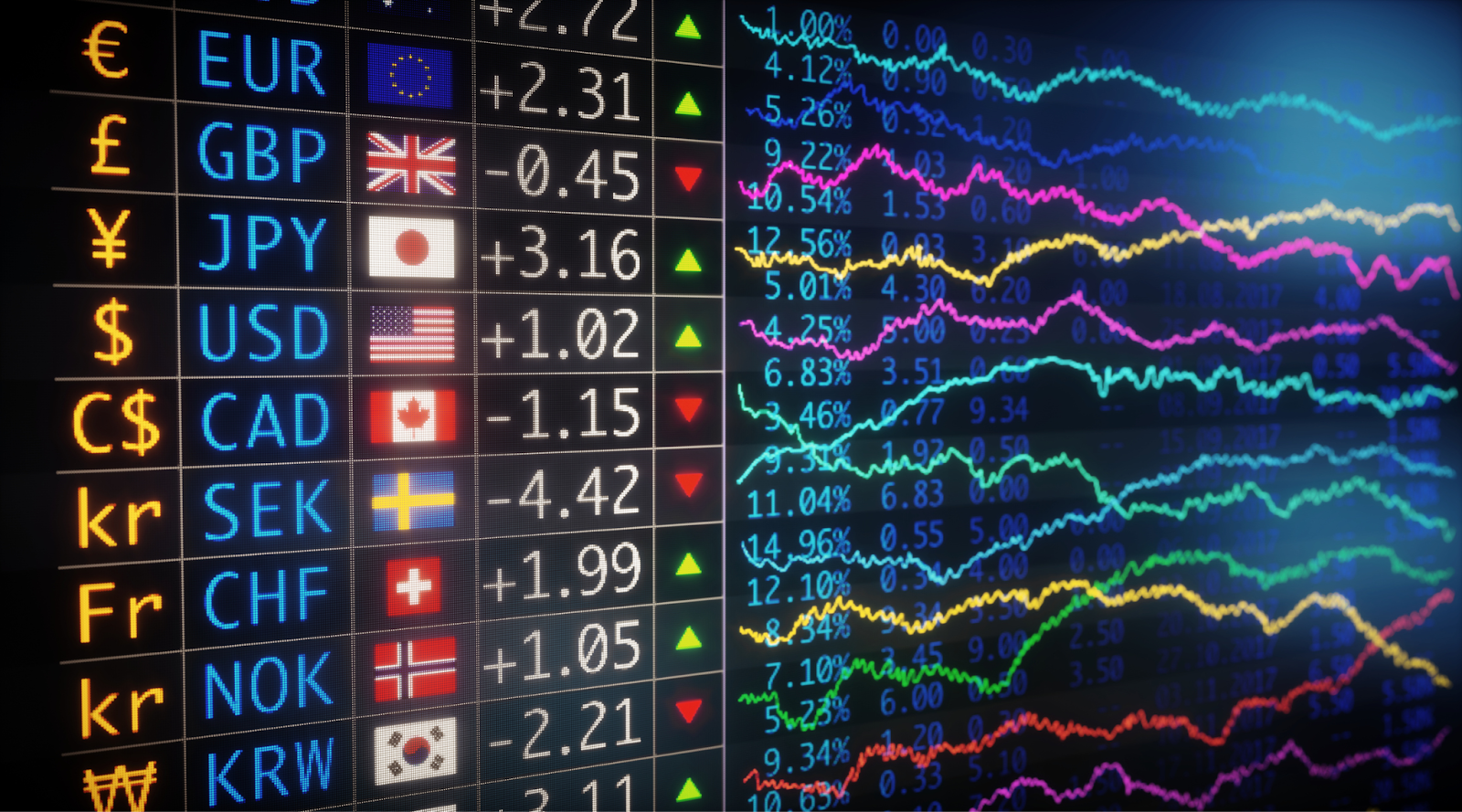
The world of forex, short for foreign exchange, runs quietly in the background of everyday life, yet it plays a role in almost everything people buy, sell, or invest in. At its core, forex is simply the exchange of one currency for another. It is what happens when someone converts pounds into euros for a holiday, or when businesses pay for goods overseas. But on a much larger scale, it becomes a global marketplace where trillions of dollars move every single day.
What makes forex different from other markets is how it operates. There is no single central exchange. Instead, trading happens electronically across banks, institutions, and individual traders around the world. Major financial hubs like London, New York, and Tokyo keep the market moving almost nonstop. As one market closes, another opens, creating a cycle that runs 24 hours a day during the week.
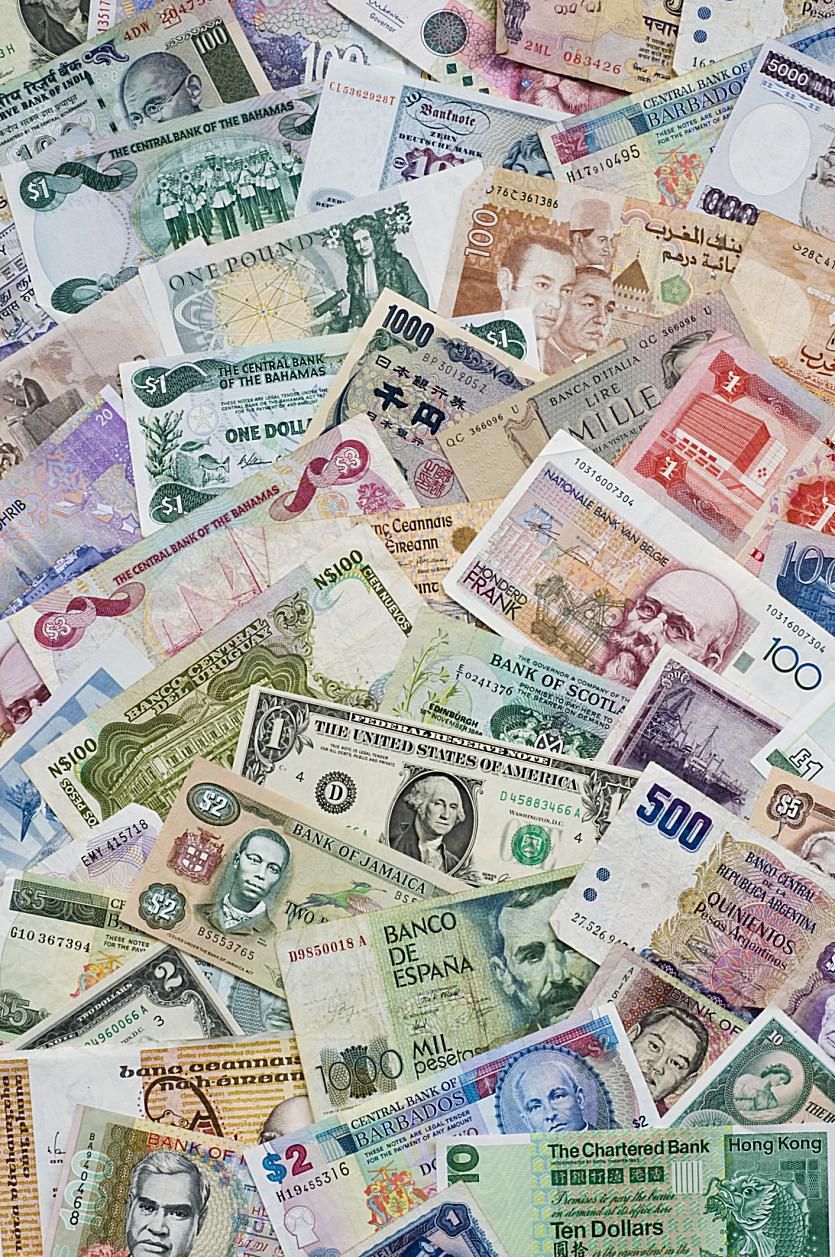
The basic idea behind forex trading is straightforward, even if mastering it is not. Currencies are traded in pairs, such as GBP/USD or EUR/USD. When a trader buys a pair, they are betting that the first currency will strengthen against the second. If they sell, they are expecting the opposite. These movements are often small, sometimes just fractions of a percent, but with large volumes or leverage, even small changes can turn into meaningful gains or losses.
Exchange rates themselves are influenced by a mix of factors. Economic data, interest rates, political stability, and global events all play a part. For example, if a country’s economy is growing strongly, its currency may rise because investors want to put money there. On the other hand, uncertainty or instability can push a currency down. Central banks, such as the Federal Reserve or the Bank of England, also have significant influence through interest rate decisions and monetary policy.
For many people, forex trading has become more accessible in recent years. Online platforms have opened the door for individuals to participate from their own homes, something that was once limited mostly to banks and large institutions. This accessibility has brought a wave of new traders into the market, drawn by the potential for profit and the fast-paced nature of currency movements.
However, that same accessibility comes with risk. Forex trading is often highly leveraged, meaning traders can control large positions with relatively small amounts of money. While this can amplify profits, it can also magnify losses just as quickly. Many new traders underestimate how volatile the market can be, especially during major economic announcements or unexpected global events.
There is also a psychological side to forex that is easy to overlook. The constant movement, the pressure to make decisions quickly, and the emotional swings of winning and losing can take a toll. Successful traders often talk less about strategy and more about discipline, patience, and risk management. It is not just about predicting the market, it is about managing yourself within it.
Despite the risks, forex remains one of the most important financial systems in the world. It keeps international trade moving, supports investment flows, and reflects the health of global economies in real time. For governments and businesses, it is essential. For individuals, it can be an opportunity, but one that requires understanding and caution.
In the end, forex is not just a trading market. It is a reflection of how interconnected the world has become. Every shift in currency value tells a story about economies, decisions, and confidence. For those willing to learn it, there is a lot to gain, but it is rarely as simple as it first appears.
Keep in touch with our news & offers
Subscribe to Our Newsletter
Thank you for subscribing to the newsletter.
Oops. Something went wrong. Please try again later.