China continues to strengthen its position as a global economic powerhouse, reshaping trade, industry and financial influence worldwide.
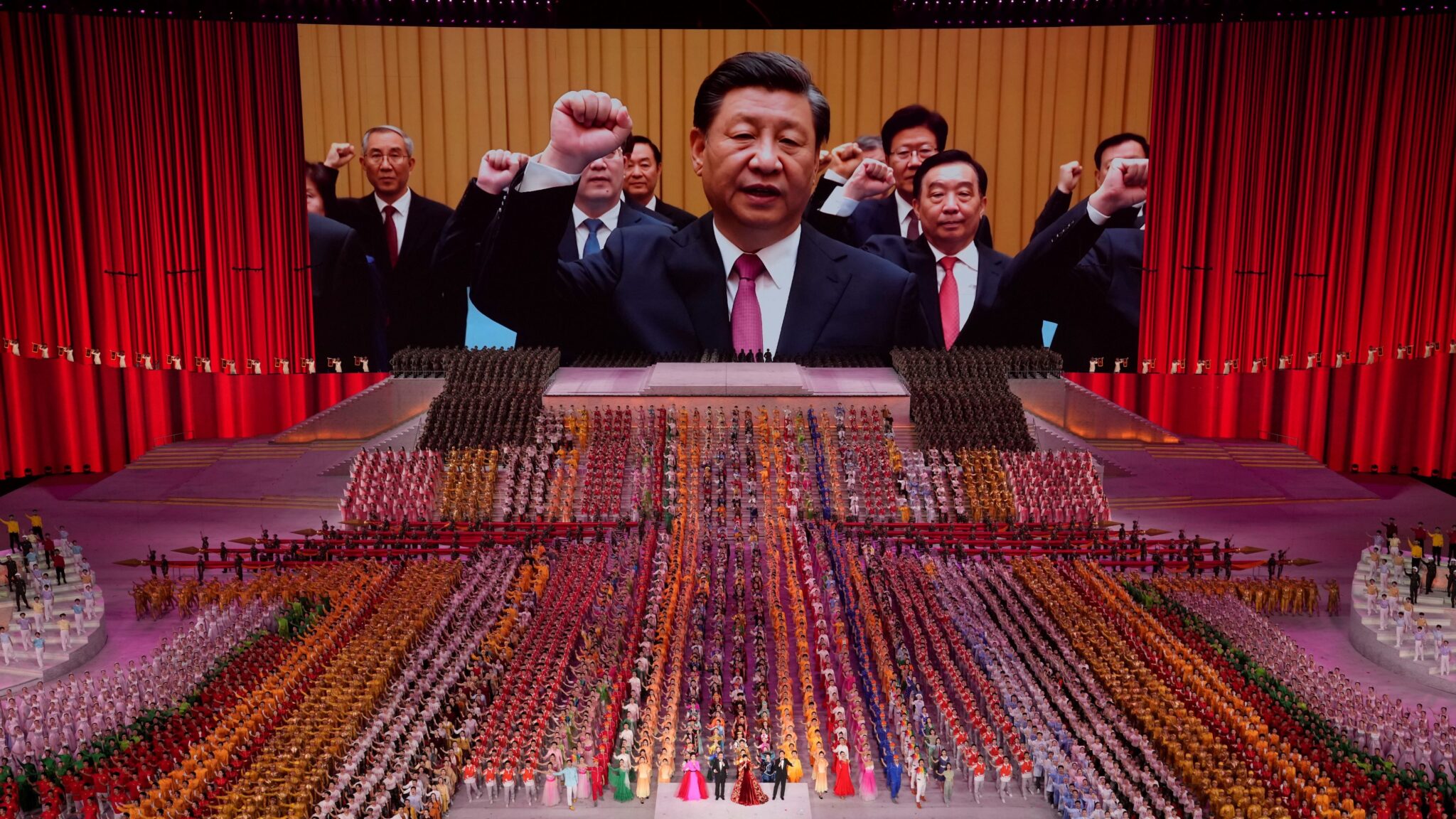
China’s economy has grown at a pace few countries have managed in modern history, and even now, after decades of rapid expansion, it is still finding ways to push forward. What once was largely a manufacturing-driven economy has evolved into something far more complex, with technology, finance and domestic consumption playing a bigger role than ever before. The shift has not been perfectly smooth, but it has been deliberate, and that seems to be making the difference.
For years, China built its strength on being the world’s factory. Cities expanded quickly, exports surged, and global companies leaned heavily on Chinese production. That model still exists, but it is no longer the full picture. The government has spent the last decade trying to rebalance the economy, encouraging innovation and reducing reliance on exports alone. It has not fully worked in every sector, but there is clear progress. Companies in technology and electric vehicles, for example, are now competing on a global stage rather than just supplying parts.
At the same time, China’s growing middle class has changed the internal dynamic. Millions of people now have more disposable income, and that has driven demand within the country itself. This shift matters because it makes the economy less dependent on global demand, which can be unpredictable. It also gives Chinese businesses a strong home market to test and grow before expanding internationally. There is a sense that the country is trying to build resilience, even if challenges still exist beneath the surface.
There are, however, signs of strain. The property sector has faced serious issues, with major developers struggling under heavy debt. Youth unemployment has also raised concerns, particularly in urban areas where expectations are high. These problems have not gone unnoticed, and they highlight the limits of rapid growth. Still, the government has shown a willingness to step in when needed, using policy changes and financial support to stabilise key sectors.
Beyond its borders, China’s influence continues to expand. Through initiatives like infrastructure investment and trade partnerships, it has strengthened its position in regions across Asia, Africa and beyond. This has not been without controversy, especially among Western nations, but it has undeniably increased China’s reach. Countries that once relied heavily on Western markets are now looking east, and that shift is changing the global balance in subtle but important ways.
What makes China’s rise particularly significant is not just its size, but its direction. The country is not simply growing, it is redefining how growth happens. Technology development, digital payments and green energy are becoming central to its strategy. If that continues, China may not just compete with other major economies, it could set the pace.
The next few years will likely be crucial. Slower growth compared to previous decades is expected, but that does not necessarily signal decline. Instead, it may reflect a transition into a more stable and mature phase. Whether that balance can be maintained is still uncertain, especially given global tensions and internal pressures. But for now, China remains a central force in the global economy, and its trajectory will continue to shape the world around it.
Keep in touch with our news & offers
Subscribe to Our Newsletter
Thank you for subscribing to the newsletter.
Oops. Something went wrong. Please try again later.