A new survey reveals ongoing concerns about accent bias in UK workplaces, highlighting challenges faced by individuals from diverse backgrounds.
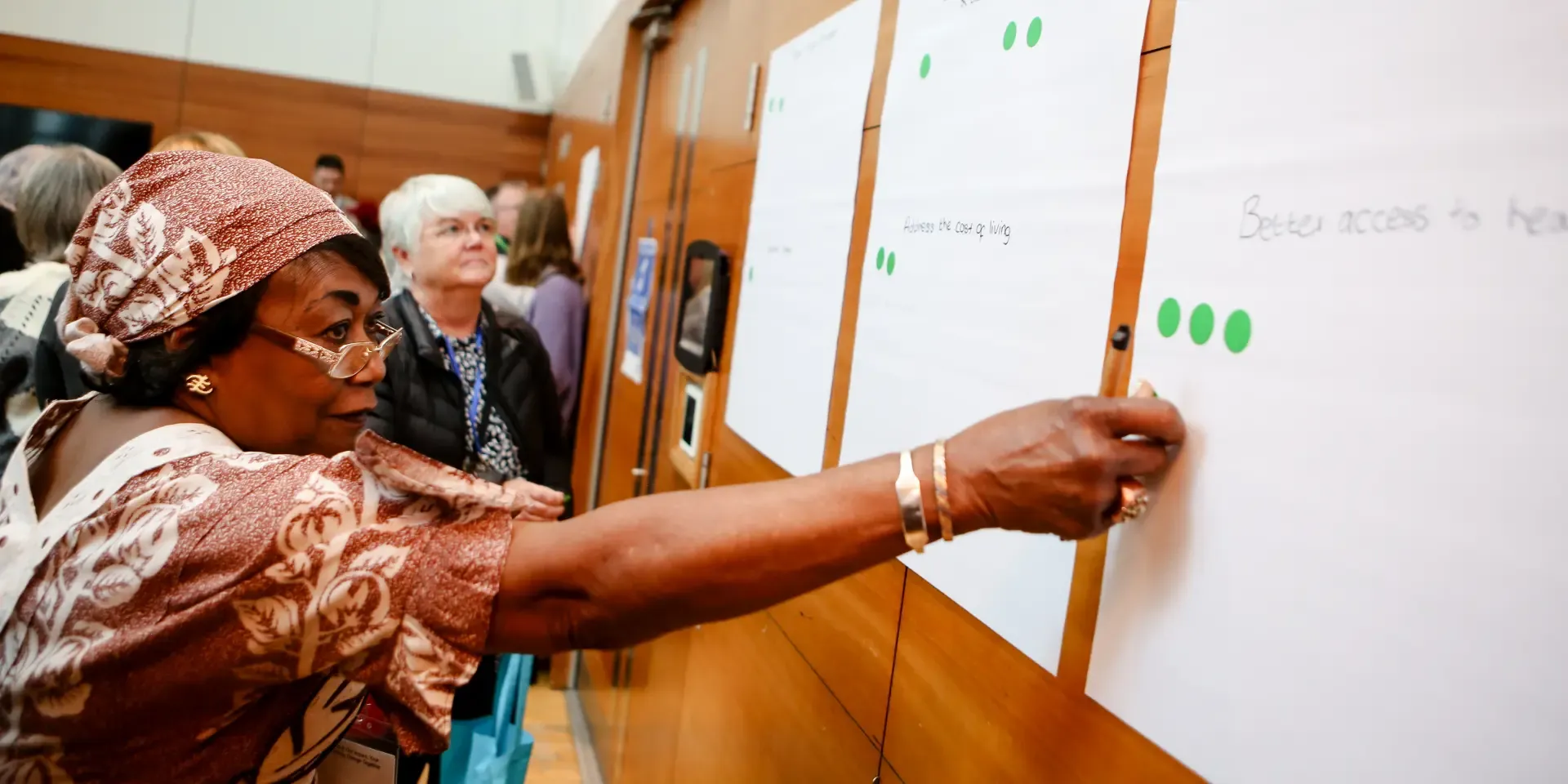
A new survey reveals ongoing concerns about accent bias in UK workplaces, highlighting challenges faced by individuals from diverse backgrounds.
Growing up in Manchester, Mia Tanswell wasn’t particularly concerned about her accent until she began her studies at Loughborough University. “I knew people were going to notice that I was northern and that I didn’t speak the ‘Queen’s English’,” the 22-year-old explained. During seminars, Tanswell often felt her accent made her seem less intellectual compared to her peers, especially as one of the few northern students in the classroom.
She’s part of a larger trend. Recent polling data highlights that many individuals in the UK still face what is termed “accent bias” in professional environments. The survey, conducted by the organization More in Common, engaged over 3,300 adults spanning England, Scotland, and Wales, revealing that anxiety surrounding accents is notably pronounced among people from the Geordie region and those with an east London or Cockney accent—19% of respondents reported feeling this way. In addition, 18% of individuals with a Welsh accent shared similar concerns.
Moreover, respondents with a West Country accent reported the highest incidents of their accent being mocked or disparaged by colleagues at a rate of 15%, followed closely by 13% for those with a Geordie accent.
Tanswell also reflected on her fears regarding her West Country accent potentially hindering her opportunities in university and the workplace. “I felt like that was going to be an issue for me,” she stated.
Martha Powell, 24, from Newport in south Wales, expressed her love for her accent, stating, “I wish it was more Welsh.” However, she revealed that she adapts her speech depending on her location, a common tactic among people aiming to fit in during networking events.
The survey’s findings indicate a broader trend of individuals softening their accent to appear more professional. Approximately 13% of Britons admitted to adjusting their speech in professional settings, with Cockneys and Scots being particularly prone to this adjustment.
Accent bias isn’t limited to regional accents; foreign accents also present unique challenges. Benjaimin Aidomoan, who moved to the UK from the Czech Republic at age 16 and had no knowledge of English, shared his struggles. After years of acclimatizing to the language, he now finds that his accent complicates job-hunting. “You can see in people’s faces that their expressions and the way they interact with you change,” he noted.
Fortunately, Aidomoan believes that many employers strive to look beyond accents. “It’s about who you are, how you present yourself, what your attitude is, and how hard you’re willing to work,” he asserted.
Industry experts echo these sentiments, with Charlotte Davies, a career specialist at LinkedIn, noting that while progress is ongoing, there is a positive shift in hiring practices. “Hiring is increasingly about skills, not background or polish. Your accent is part of your story, and workplaces that embrace this are treating it as a strength, not something to smooth out,” she explained.
Meanwhile, Sian Jackson, a partner at law firm Mills & Reeve, shared her company’s efforts to promote local hiring practices and foster a diverse range of accents. “We don’t judge based on someone’s accent or appearance; like any other prejudice, awareness is key,” she said. “While we’ve made strides as a firm, there’s still a ways to go compared to gender equality initiatives.”
Keep in touch with our news & offers
Subscribe to Our Newsletter
Thank you for subscribing to the newsletter.
Oops. Something went wrong. Please try again later.