Gen Z navigates the complexities of bill-splitting with Venmo and Zelle, exploring social dynamics and financial expectations among friends.
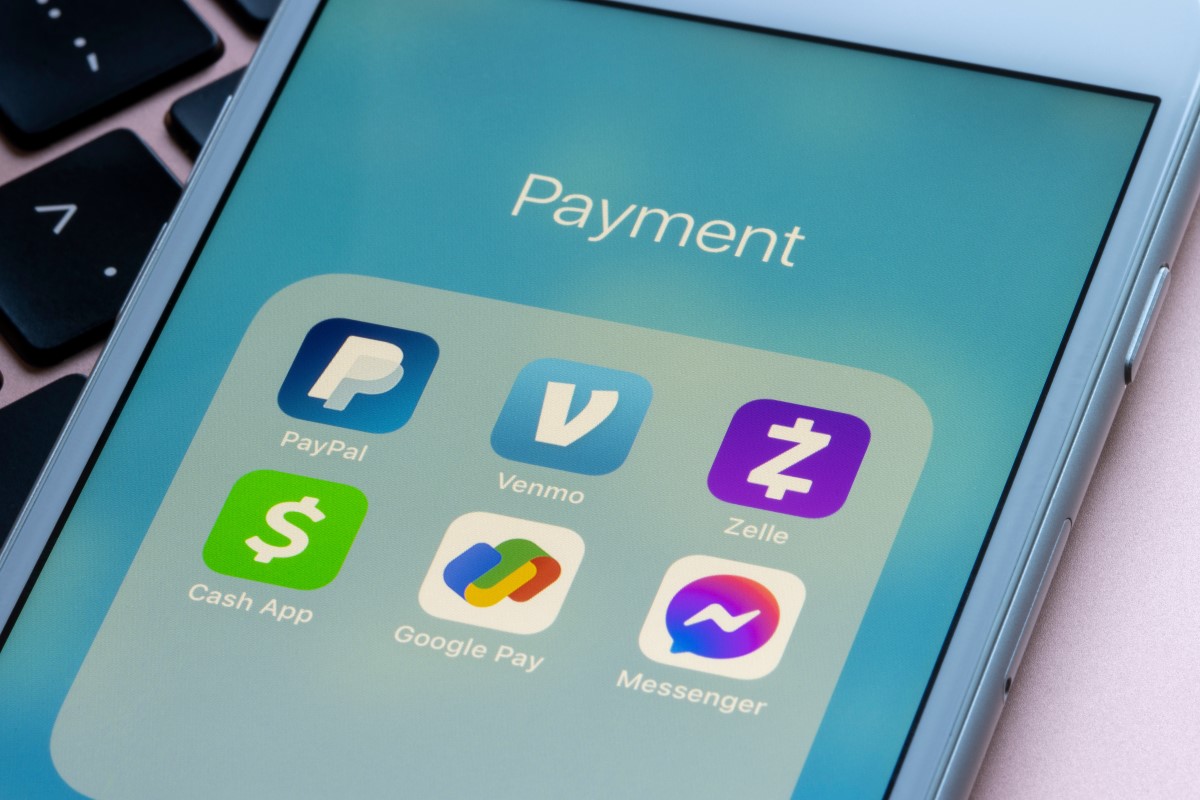
Gen Z navigates the complexities of bill-splitting with Venmo and Zelle, exploring social dynamics and financial expectations among friends.
Joanne Wang celebrated her 24th birthday with dinner and expected to split the bill evenly. However, when her friend brought her boyfriend along unexpectedly, it complicated their plans. At 26 and pursuing an MBA at the Wharton School, Joanne texted her friend regarding her concerns about splitting costs equally. Her friend responded with an itemized receipt, which left Joanne pondering the fair amount she owed.
For Gen Z, who matured with money transfer apps like Zelle and Venmo, the dynamics of bill-splitting have become increasingly complicated. A 2021 study by LendingTree revealed that Gen Z is more likely than other generations to be owed money after lending — with a June survey from Zelle showing that 76% of Gen Z participants had not been repaid in full after covering costs for group outings.
Payment applications were initially developed to simplify financial transactions, but the reality is that they sometimes lead to complicated social situations. Instead of easing financial disputes, they create environments for detailed calculations and frequent follow-ups, which can strain friendships over time.
Though Joanne managed to keep her friendship intact amid the bill dispute, others aren’t as lucky. Kathryn Yang, a 25-year-old American in Kobe, Japan, faced similar issues. After a period of splitting rent evenly with her European roommate, the dynamics changed when her roommate started spending most weekends away with her partner. “I thought it was fair to pay extra for utility bills when she was gone,” Kathryn explained, but conflicts arose, leading to heated exchanges that left their relationship strained.
Etiquette coach Myka Meier notes that the abstract nature of digital payments contributes to misunderstandings. She highlights how the absence of physical cash can diminish the perceived urgency of debts. “Older generations took borrowing more seriously, partly due to the psychological weight of cash transactions,” she explained. Meier advocates for better communication about financial expectations among friends to help mitigate awkwardness and disagreements.
The penchant for precise calculations can border on the absurd. Reports from CashApp identified the phenomenon of the “Tab Tyrant,” which is a person who meticulously breaks down bills. A familiar story arises when friends feel the need to split even the smallest of items, like half an avocado from a shared fridge, illustrating how the nuances of shared expenses can breed annoyance.
Lastly, as Gen Z navigates a tough job market and rising costs of living, it’s understandable for them to be cautious about financial obligations that might seem trivial to others. However, keeping score in friendships — especially regarding financial exchanges — can lead to complications that sour relationships.
Keep in touch with our news & offers
Subscribe to Our Newsletter
Thank you for subscribing to the newsletter.
Oops. Something went wrong. Please try again later.