Thirty US states sue Meta, demanding changes to Instagram and Facebook to protect young users amid growing concerns over mental health.
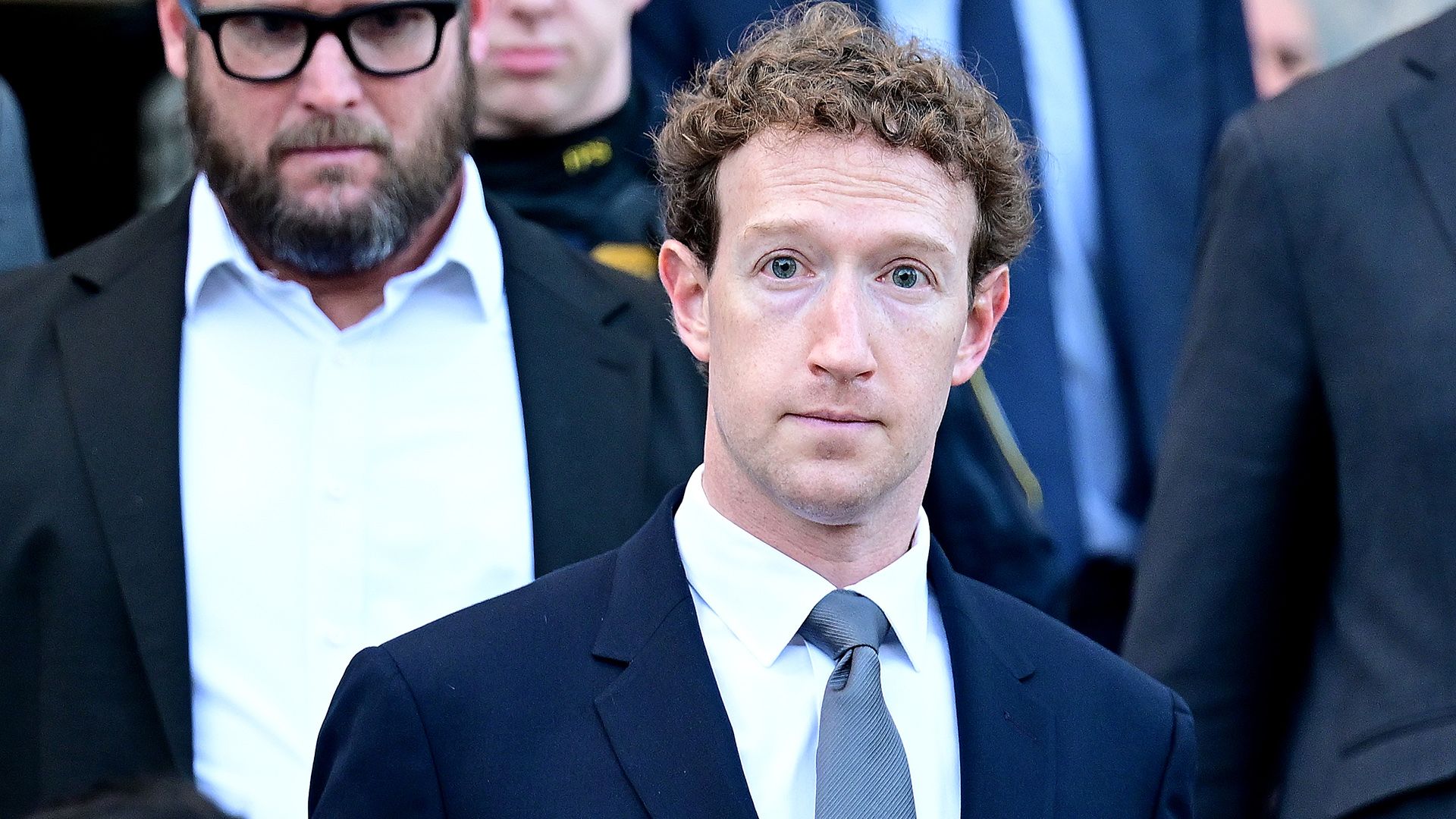
Thirty US states sue Meta, demanding changes to Instagram and Facebook to protect young users amid growing concerns over mental health.
Meta is facing significant legal challenges as thirty U.S. states have banded together to file a lawsuit against the tech giant, seeking over $1 trillion and demanding major changes to how Instagram and Facebook operate for young users. This jury trial, which is set to begin soon, represents a possible turning point for Meta’s social media platforms.
The crux of the lawsuit revolves around allegations that Meta’s platforms have intentionally targeted and harmed young users. The states are calling for fundamental changes, including the elimination of “like” counts and the controversial infinite scroll feature, both of which are central to user engagement. A Kentucky attorney general highlighted the gravity of the situation, describing the case as “the largest consumer protection lawsuit in American history.”
Russell Coleman, the Kentucky AG, indicated that the evidence would show that Meta concealed knowledge about the detrimental impact its products have on young people. He compared this legal battle to past successful efforts against the tobacco industry and companies involved in the opioid crisis, asserting that it’s time for Meta to be held accountable.
The lawsuit follows a string of recent losses for Meta in court concerning allegations that its platforms exploit young users. Just recently, a New Mexico judge ordered Meta to pay $942 million and implement changes similar to those the states are now demanding.
The states argue that Meta has designed its features to keep young users engaged for longer periods, often employing tactics like relentless notifications to draw teenagers back onto the apps. They contend that by targeting younger demographics, Meta has prioritized growth and profit over the well-being of its users. Meta, however, has consistently denied these claims, asserting through a spokesperson that it is committed to supporting young people.
The trial will take place before Judge Yvonne Gonzalez Rogers, who has earned a reputation for her incisive rulings over nearly 20 years on the bench. If the states succeed in their lawsuit, Meta may be forced to enact widespread changes to its platforms across the country, potentially altering the user experience for millions.
Should these changes become a reality, the landscape of social media as we know it could be forever changed, marking a crucial moment in the ongoing discourse around youth mental health and social media safety.
Kelly Stonelake, a former Meta executive turned whistleblower, voiced skepticism about whether the lawsuit would result in lasting changes at the corporate level, citing a disconnect between the company’s leadership decisions and the evidence of harm. Her concerns echo broader anxieties regarding how longstanding features like the “like” button may contribute to negative mental health outcomes among young users.
The stakes are undeniably high for Meta, as the outcome of this lawsuit may set a precedent for how social media companies operate concerning the youth demographic and could further ignite discussions on corporate responsibility in the digital age.
Keep in touch with our news & offers
Subscribe to Our Newsletter
Thank you for subscribing to the newsletter.
Oops. Something went wrong. Please try again later.