Google’s cash flow turns negative with $205bn AI spending. Investors are wary about returns amidst heavy expenditures. Will this shift impact its market position?
Google’s cash flow turns negative with $205bn AI spending. Investors are wary about returns amidst heavy expenditures. Will this shift impact its market position?
Google’s parent company, Alphabet, has recently reported negative free cash flow for the first time since becoming a public entity in 2004, as the company intensifies its investments in artificial intelligence. The tech giant announced that it expects to invest as much as $205 billion this year, a significant increase from previous estimates, largely directed toward AI projects and infrastructure.
This substantial spending has raised concerns among investors regarding when, if ever, these investments will yield financial benefits. Alphabet’s latest quarterly revenue was reported at $119.8 billion, reflecting a 23% increase compared to the same period last year. However, the ongoing expenses tied to AI infrastructure have resulted in a negative cash flow of $5.9 billion for the quarter.
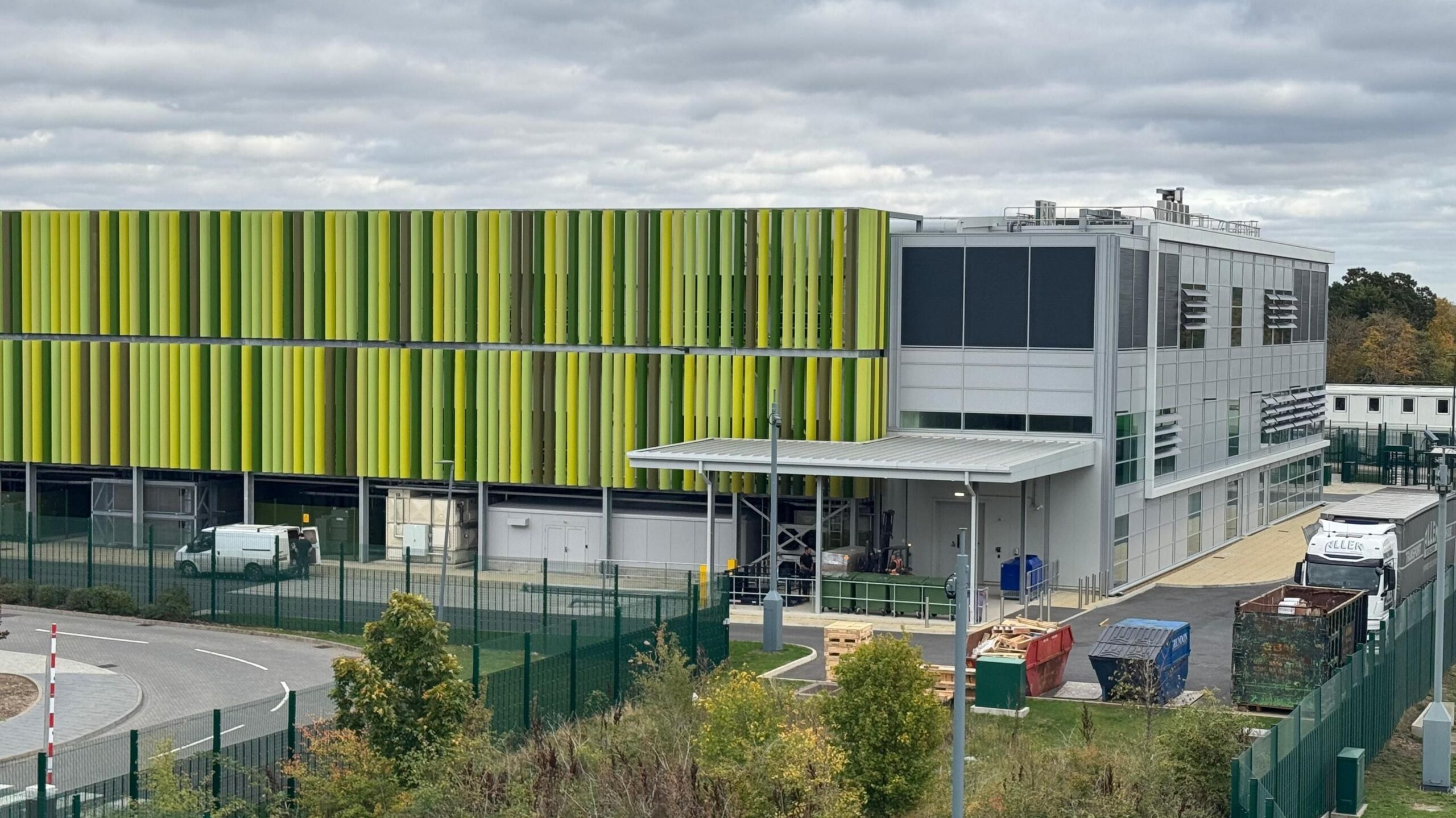
During a financial analysts’ call, Chief Financial Officer Anat Ashkanazi attributed the negative free cash flow to escalating capital expenditures mainly centered on AI. She disclosed that in the second quarter alone, Google spent $45 billion, with 60% allocated to server-related costs and 40% for data centers. Alphabet had previously reported capital spending of $36 billion in the first quarter of this fiscal year.
Despite these heavy expenses, Ashkanazi remained optimistic, stating that the demand for AI technology continues to surpass the company’s investments. “As long as we see these attractive opportunities to invest, we will continue to invest,” she affirmed.
Google’s CEO, Sundar Pichai, supported this stance by noting that the shift toward AI capabilities is only in its preliminary phase, expressing optimism about potential returns on investment. “There is still a lot of work left to translate that into experiences for our users,” he said, highlighting the extraordinary opportunities that AI can offer.
The financial results also matched challenges faced by Tesla, which reported a negative free cash flow of $1.1 billion for the second quarter. Tesla attributed this to rising investment costs as well, with plans to spend up to $25 billion in the coming year, more than double its capital expenditures seen in previous years.
With both companies in substantial investment cycles, the overarching sentiment remains one of skepticism among investors regarding the return on these lofty spending commitments. Experts like Russ Mould, an investment director at AJ Bell, articulated this concern, stating there’s a significant degree of wariness concerning returns on these AI investments. The immediate reaction to Alphabet’s financial results also saw its stock decline by 4% in after-hours trading.
As the tech space continues to evolve with heavy investments in AI, the focus will remain on whether Alphabet and its peers can translate their significant spending into lucrative returns as the market landscape shifts.
Keep in touch with our news & offers
Subscribe to Our Newsletter
Thank you for subscribing to the newsletter.
Oops. Something went wrong. Please try again later.