
Brent crude surpasses $100 per barrel amid geopolitical tensions, raising concerns about future oil supply and prices.
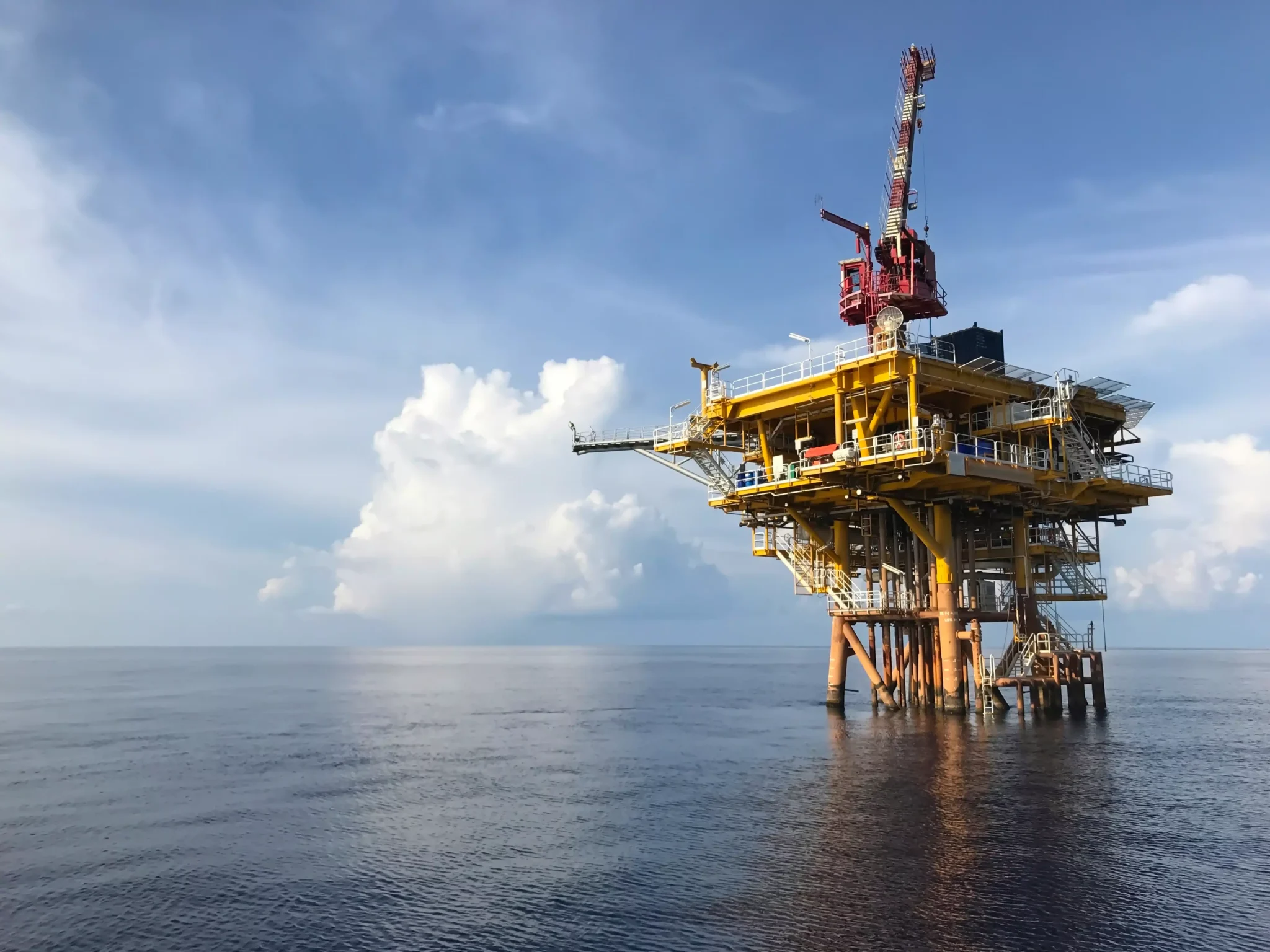
Brent crude surpasses $100 per barrel amid geopolitical tensions, raising concerns about future oil supply and prices.
Brent crude oil prices have surged past $100 per barrel, signaling a significant shift in the energy market amidst escalating tensions in the Middle East. Recently, U.S. oil prices also topped $90 a barrel, contributing to growing concerns about supply disruptions.
The geopolitical landscape, particularly involving Iran, is becoming increasingly complex. Recent attacks by angry militants in Iran have raised the stakes, with U.S. officials warning of potential further conflict. President Trump has reiterated that those responsible for assaults on American allies, such as Jordan, will face consequences. Concurrently, Iran-backed proxy groups, including the Houthis, are intensifying their threats by enforcing a blockade in the Red Sea, making the situation even more precarious.
As discussions around possible Iranian oil production disruptions arise, analysts ponder the ramifications if Iran were to lose all of its oil exports. Eric Nuttall from Canada’s Ninepoint Partners has suggested that the market could face significant price hikes if Iranian output were to vanish, pointing out that the world simply cannot afford to lose another 2.6 million barrels per day from Iranian production.
Nuttall indicated that with Middle Eastern production already down, global oil inventories are at record low levels, exacerbating the potential impact of a supply shock if the current conditions persist. He expressed that such a scenario would serve as a necessary reality check for the market.
Kevin Book of Clearview Energy Partners believes the duration of any Iranian supply disruption would be critical. He forecasts a minimum price uptick of $5 per barrel in response to any lengthy outages. Bob McNally from Rapidan Energy Group underscored the severity of the situation by stating that if Iranian production completely halted, it would severely cripple the nation’s economy.
Looking further west, geopolitical risks extend to the Bab el-Mandeb Strait, a vital passageway for oil transport. Analysts note that potential conflicts around this region could aggravate the situation in the energy markets. Tobin Marcus from Wolfe Research commented on the precariousness of the current market, cautioning against underestimating supply risks while noting that Saudi Arabia’s pumping capabilities through its East-West pipeline could be significantly threatened by any Houthi actions.
The strategic significance of both Hormuz and the Bab el-Mandeb cannot be overlooked, as they play crucial roles in international oil transport. The recent reduction in crude oil tanker traffic out of the Strait of Hormuz has led to sluggish maritime activity, impacting insurance cover for shipping amid heightened tensions. The American national average gasoline price has crested back above $4, driven by these fluctuations.
Goldman Sachs has weighed in, predicting that Brent crude could rise above $120 per barrel in the final quarter of the year if disruptions in Hormuz persist. Yet, despite these predictions, they also acknowledge that weakened demand from China may prevent prices from skyrocketing compared to previous months.
This climate of uncertainty serves to underscore the ongoing volatility within global energy markets. With American firms poised to invest heavily in Iraq’s oil sector, the entire landscape of oil investments could soon be facing transformative changes. The intersection of geopolitical tensions and market responses continues to shape the narrative of crude prices, leaving many to speculate what the future might hold in this critical commodity market.
Keep in touch with our news & offers
Subscribe to Our Newsletter
Thank you for subscribing to the newsletter.
Oops. Something went wrong. Please try again later.