Brands are leveraging AI influencers on TikTok Shop, challenging side hustlers as they reshape the e-commerce landscape.
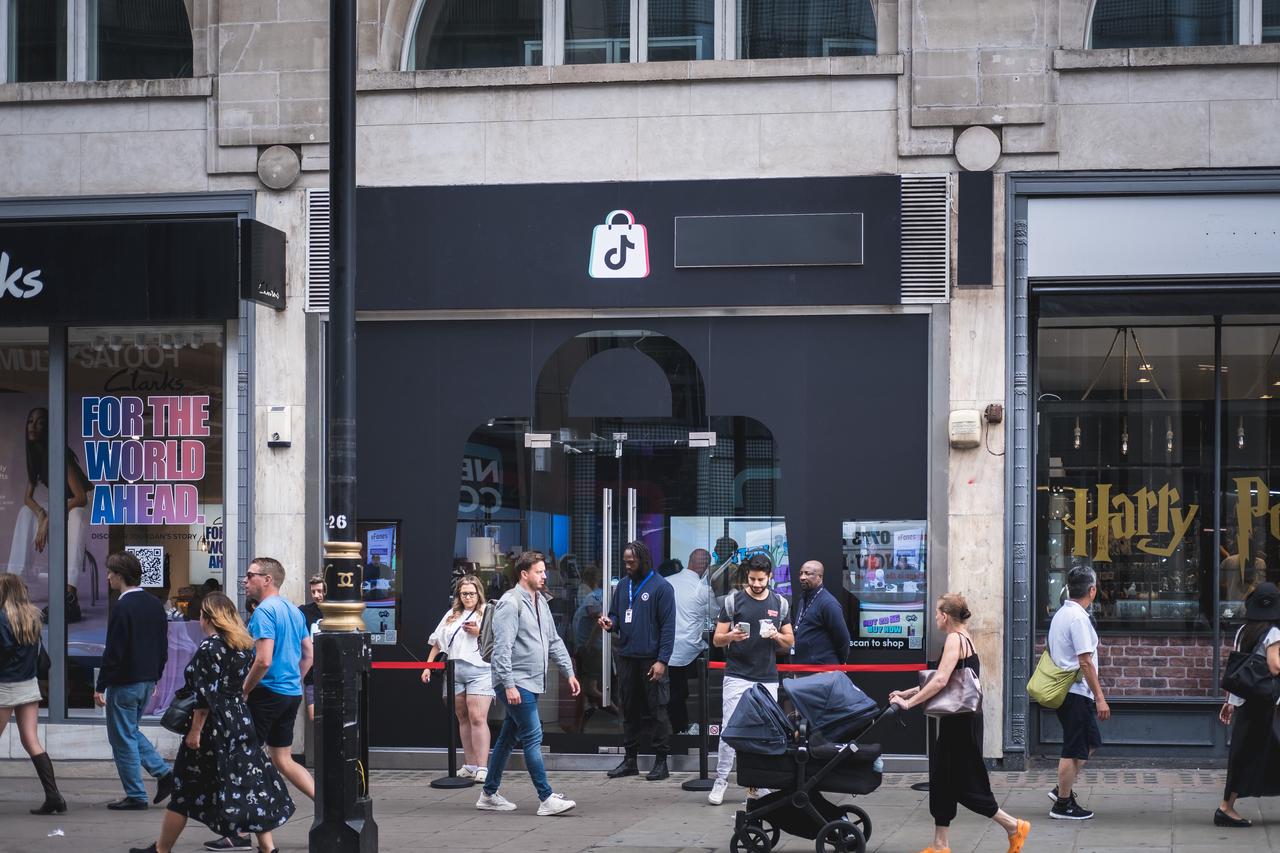
Brands are leveraging AI influencers on TikTok Shop, challenging side hustlers as they reshape the e-commerce landscape.
TikTok Shop side hustlers should brace themselves as brands are increasingly adopting AI-generated influencers and product visuals. This trend poses a threat to creators who rely on engaging video content to earn money through TikTok’s e-commerce affiliate program.
Many of these creators, often referred to as side hustlers, focus primarily on selling products without the recognition of celebrity influencers such as MrBeast. Their videos have gained prominence, especially during peak shopping periods like Black Friday and Cyber Monday, with around 10 million shoppable videos published during these events.
Fabian Ouwehand, founder of Socialscale.ai, noted that these creators’ content operates like “little billboards you see along the road out of the side of your eye.” However, AI’s capacity to replicate and innovate on these gimmicky videos could undermine their efforts as AI-generated product ads become more common within TikTok’s automated advertising strategy.
One particular AI video creator reportedly generated significant sales, raking in tens of thousands of dollars through the affiliate program. Consequently, the increasing presence of AI-generated posts is altering the dynamics of the TikTok Shop environment, becoming a focal point of discussion among TikTok employees.
Brands are now leveraging AI to generate multiple variations of successful influencer posts, allowing them to post content hundreds of times a month without needing to compensate creators or provide free products. Despite some brands embracing this technology for profit, others express concern about possible adverse reputational effects.
A TikTok Shop employee highlighted the mixed feelings within the brand community regarding AI use. Ashley Wright, CEO of Social Tale, indicated that some companies are open to using AI for increased sales, while others hesitate out of fear that it might affect brand integrity.
Wright explained, “We use the AI tools to basically test to see what works and what doesn’t, and then we double down with a real creator for the concepts that are working.” She further added that if a synthetic creator performs well, it’s likely to work even better with a human influencer.
The conversation about generative AI is not confined to TikTok; marketers on various social platforms, including Meta, are grappling with balancing AI’s operational efficiencies against the risk of misleading advertisements.
Presently, TikTok faces challenges with AI-generated videos, as many tend to fall into the uncanny valley, where the animated characters’ voices and mannerisms feel artificial and off-putting. One AI influencer’s post attempting to showcase a hooded shirt material led to user comments questioning the feasibility of its claims.
The platform’s ability to maintain a captivating video feed is crucial for its prolonged success in the fiercely competitive U.S. e-commerce environment, with TikTok on pace to achieve over $23 billion in sales this year according to eMarketer forecasts. While this figure trails significantly behind Amazon’s anticipated sales, which are expected to exceed $500 billion, TikTok’s strategy revolves around its influential user base.
However, maintaining marketplace credibility amidst the rise of AI-generated content is essential. Earlier this year, Nicolas Waldmann from TikTok Shop stated that fraudulent sellers were taking advantage of generative AI to create fake storefronts featuring nonexistent products.
The implications of AI product videos also pose potential legal challenges, warned Robert Freund, an expert in advertising and e-commerce law. Concerns over deceptive advertising practices might arise if synthetic influencers misrepresent their experiences with products.
Recent legislative action from entities like the European Union and New York has begun requiring brands to disclose the use of synthetic figures in their advertisements. TikTok has stated its policies permit generative AI but stipulate that videos should be clearly labeled and must not mislead consumers.
As the technology evolves, an increasing number of respected brands might turn to generative AI videos to enhance content creation efficiency. Ouwehand remarked, “Why spend so much money and time and effort on getting whatever user-generated content done when AI can do it for a tenth of the cost?” He deemed it a considerable opportunity for companies looking to optimize their marketing expenditures.
Keep in touch with our news & offers
Subscribe to Our Newsletter
Thank you for subscribing to the newsletter.
Oops. Something went wrong. Please try again later.