Trump’s new tariff on Canadian imports escalates trade tensions, affecting various goods while Canada plans to respond with its own measures.
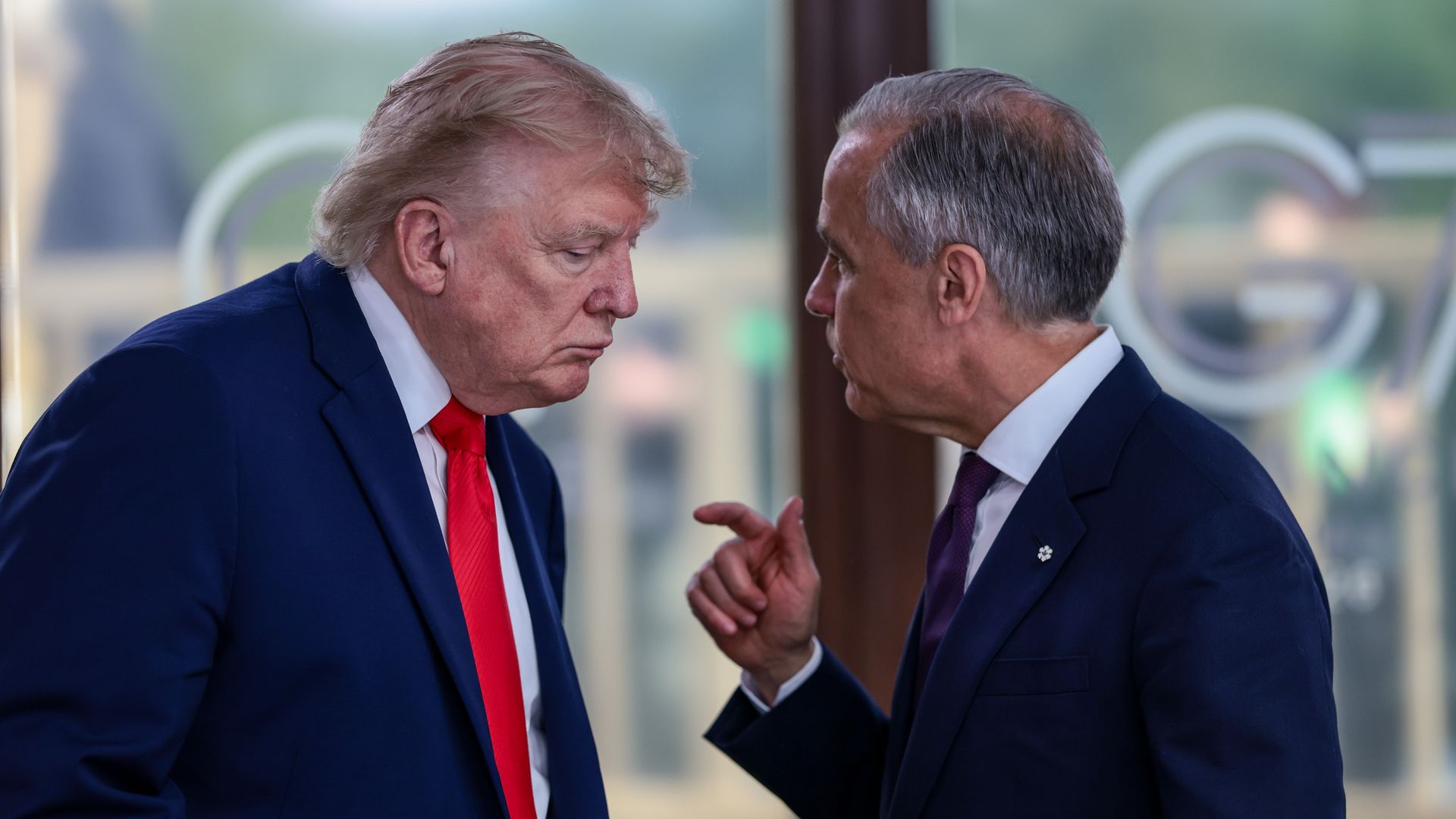
Trump’s new tariff on Canadian imports escalates trade tensions, affecting various goods while Canada plans to respond with its own measures.
US President Donald Trump has announced a 50% tariff on a broad range of goods imported from Canada, a move that he claims addresses what he describes as “unequal treatment” of American products, particularly automobiles, dairy, and alcohol.
The new duties will take effect within 30 days and could impact everyday items such as wine and hockey sticks, alongside industrial products like cement. Notably, some key Canadian exports, including energy, potash, and certain minerals, will be exempt from these tariffs.
In response, Prime Minister Mark Carney stated that Canada is prepared to “intensify” trade negotiations with the United States in the upcoming weeks. This tariff escalation marks a significant rise in trade tensions between the two neighboring countries.
As trade disputes have intensified since Trump regained office in January 2025, he has frequently implemented tariffs as part of a wider agenda that often extends beyond straightforward trade issues.
Tariffs are taxes imposed on imported goods that are generally paid to the government by the companies importing foreign products. Earlier this year, the US Supreme Court determined that many of Trump’s tariffs, enacted under emergency powers, were illegal.
Despite this ruling, Trump has sought alternative legal frameworks to enforce his policy aims, including the obscure law he tapped into for Monday’s announcement. The White House previously clarified that these new tariffs will apply irrespective of the existing free trade agreement among Canada, the US, and Mexico, known as the USMCA.
As one of the United States’ closest trade partners, Canada retaliated last year against Trump’s tariffs by imposing a 25% levy on approximately C$30 billion worth of US goods. This retaliatory measure has since been partially relaxed by Carney.
The announcement regarding the new tariffs correlates with Trump’s earlier threats to introduce tariffs due to Canadian wildfire smoke affecting US cities. While this environmental issue has not been explicitly mentioned as part of the current justification, it remains a relevant backdrop to ongoing discussions.
Criticism of the newly announced tariffs has emerged from Canadian officials. Carney referred to the latest US action as a continuing pattern of unilateral trade practices, pinpointing violations of the Canada-United States-Mexico Agreement. Carney’s comments also suggested concerns over “threats to Canadian sovereignty,” possibly alluding to Trump’s historical suggestions to make Canada the 51st state of the US.
Ontario Premier Doug Ford echoed these sentiments on social media, asserting, “If these tariffs proceed, Canada should respond tariff for tariff, dollar for dollar.”
The White House has yet to respond to further inquiries regarding the tariffs from both Canadian and US officials.
As part of his executive measures, Trump has declared three proclamations outlining US grievances about Canadian trade practices, particularly regarding automotive imports, dairy management systems, and alcohol distribution policies. Trump’s arguments suggest that Canada has unfairly taxed the imports of US vehicles and parts, claiming it is “unreasonable” and discriminatory.
Automotive production is notably integrated across Canada, the US, and Mexico. The long-standing challenges surrounding US dairy imports have been exacerbated by Canada’s supply management system, which imposes tariffs of up to 300% on exceeding import limits. Furthermore, the restriction faced by US alcoholic beverages in many Canadian provinces has remained a significant point of contention since its inception last year.
Canadian leaders have reiterated that the perceived boycotts will only be lifted if the US removes tariffs affecting crucial sectors, including metals and vehicles.
Canadian trade representatives are actively pursuing a deal to alleviate some existing US tariffs, particularly as the US has decided not to renew the USMCA in its existing form. While Canada and Mexico have sought its renewal, the US has indicated it wants changes to a deal that Trump himself negotiated in 2018.
Despite tensions surrounding tariff negotiations, the USMCA will continue to guide North American trading relations over the next decade on a rolling basis, necessitating annual reviews.
This latest tariff action arrives after the Supreme Court addressed multiple tariffs imposed by Trump under the International Emergency Economic Powers Act of 1977, ruling that the president had overstepped in historically utilizing such a law for trade relations.
In recent weeks, Trump has invoked Section 301 of the Trade Act of 1974 to enact tariffs against several nations, including Brazil, introducing a 25% tax on imports from there, with US officials attributing the need for such tariffs to Brazilian policies harming US trade.
As with Canada and China, Brazil has vowed to retaliate against these tariffs. The newly announced tariffs on Canada will be enacted under Section 338 of the 1930 Tariff Act, focusing on trade discrimination rather than national security issues.
Michael Devereux, an economics professor at the University of British Columbia, analyzed the situation, noting that this latest tariff initiative reflects the Trump administration’s discontent with USMCA, calling it a significant escalation as it directly affects goods previously exempt under the trade agreement negotiated in 2018. He expressed skepticism over whether this was a strategic negotiation tactic, viewing it instead as an impulsive decision rooted in a long-standing grudge against Canada.
Despite the turmoil, some analysts remain hopeful that this action may lead to renewed negotiations. Candace Laing, leader of the Canadian Chamber of Commerce, stressed the urgency for officials to make meaningful strides in discussions before the imposition of new tariffs, scheduled to take place within 30 days.
Chris Swonger, head of the Distilled Spirits Council of the United States, similarly urged both nations to work towards a resolution, cautioning that the decision “raises the risk of further retaliation.”
Keep in touch with our news & offers
Subscribe to Our Newsletter
Thank you for subscribing to the newsletter.
Oops. Something went wrong. Please try again later.