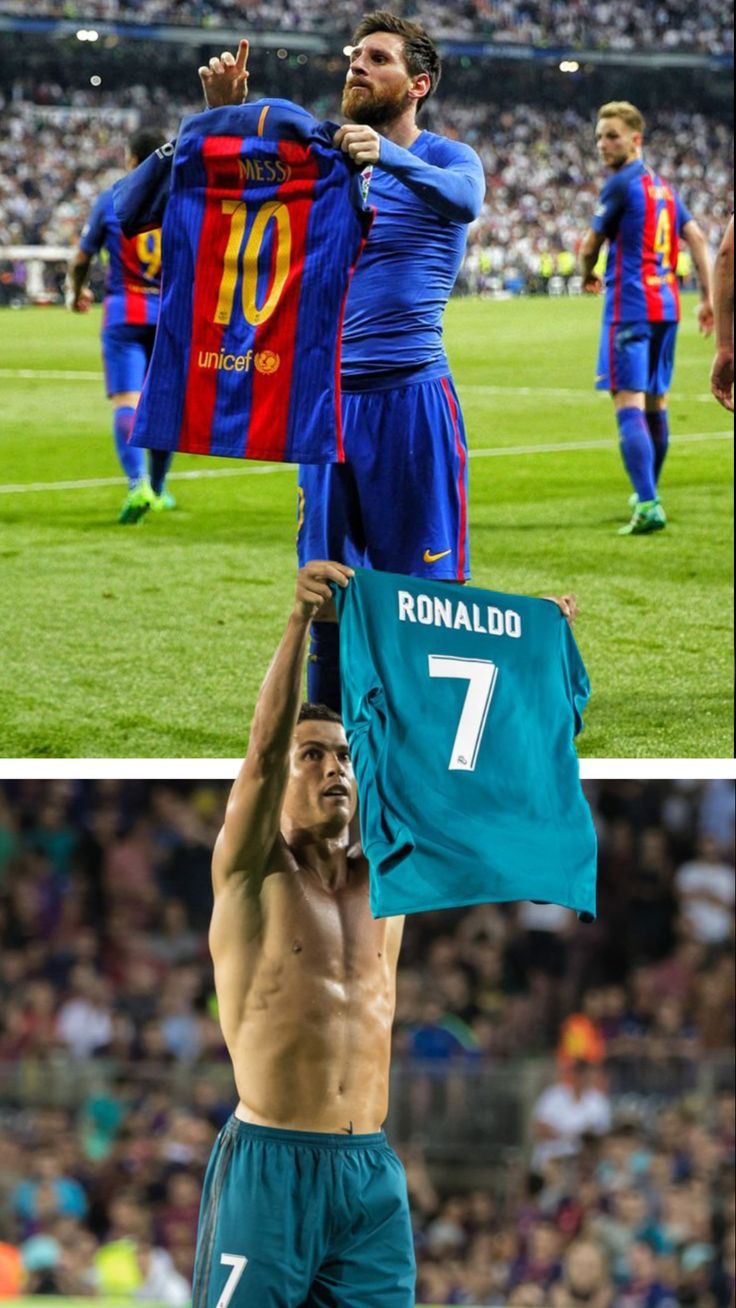
As Lionel Messi and Cristiano Ronaldo move toward the final chapters of their careers, football faces a question it has avoided for nearly two decades. Who takes the crown next?
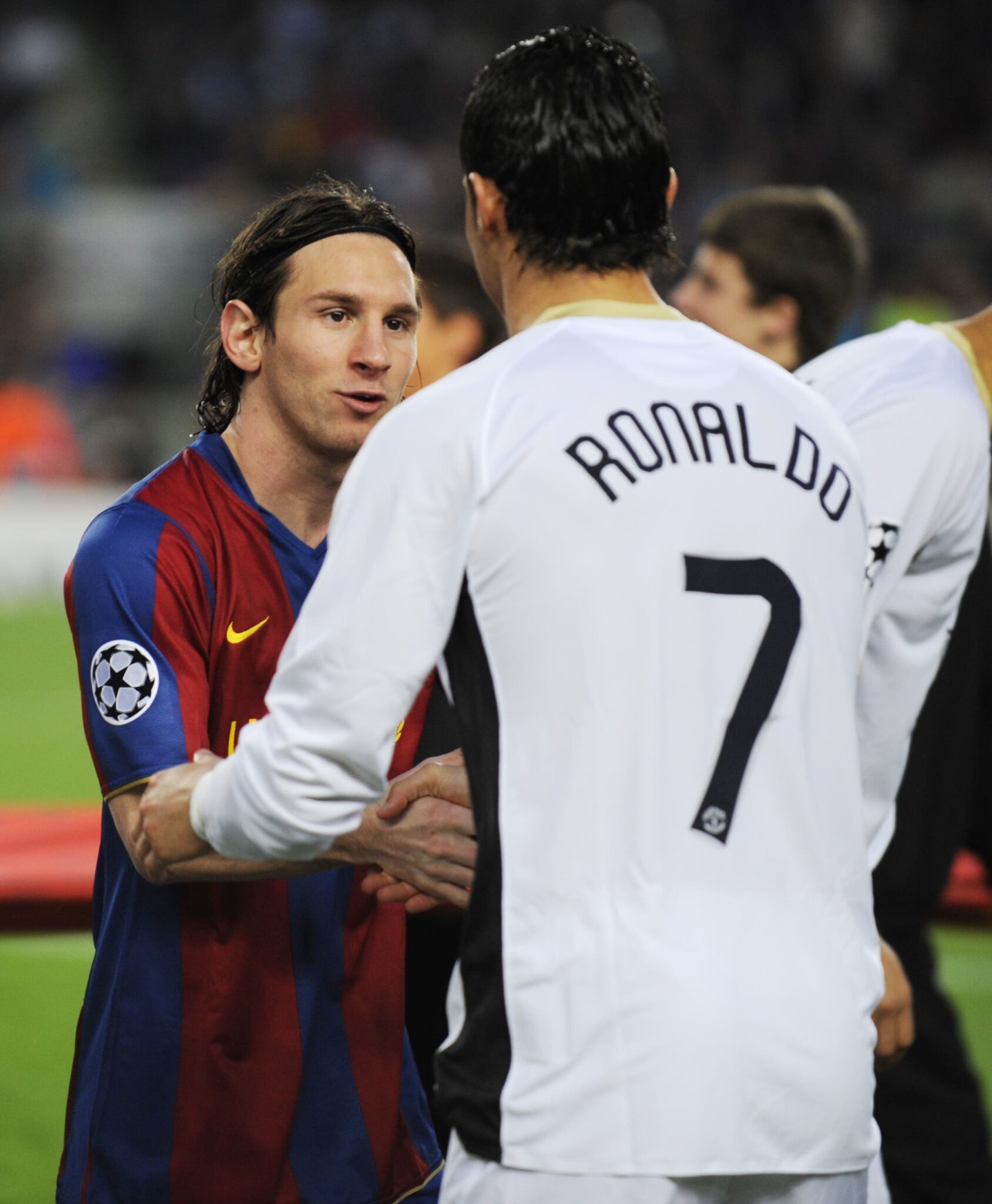
For almost twenty years, football has revolved around two names. It was never just a rivalry, it became the standard. Every goal, every trophy, every Ballon d’Or conversation somehow circled back to Lionel Messi or Cristiano Ronaldo. Now, quietly but unmistakably, that era is fading. Both are still playing, still producing moments, but the grip they once had on the global game is loosening. And for the first time in a long time, football feels uncertain about who comes next.
The shift has not happened overnight. Cristiano Ronaldo moved away from Europe’s elite spotlight, while Lionel Messi took his talents to a different stage. Their influence remains massive, but the weekly dominance, the constant head to head comparisons at the highest level, that has slowed. Fans who grew up picking sides are now watching something unfamiliar. There is no clear successor, no obvious heir to the throne.
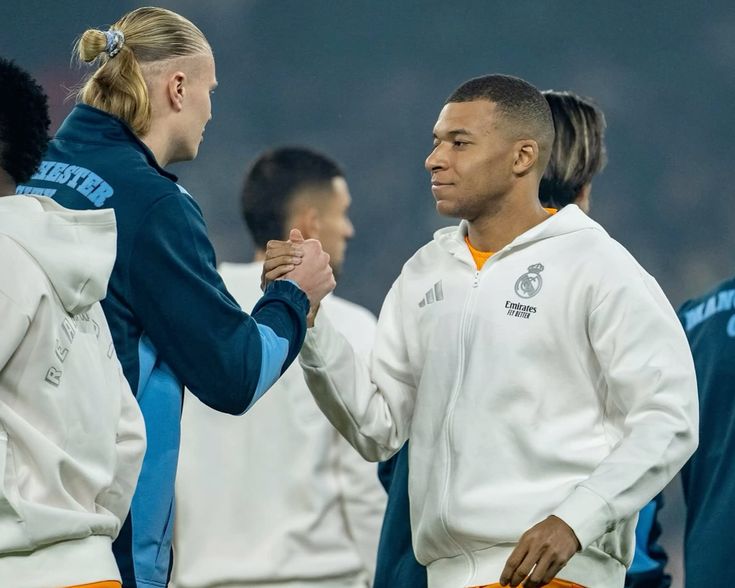
Instead, football has entered a more crowded conversation. Players like Kylian Mbappé have the numbers and the moments. His speed, his confidence on the biggest stages, and his World Cup pedigree make him the closest thing to a modern superstar in the traditional sense. Yet even he exists in a different landscape. The game around him is more structured, more tactical, less built around one individual carrying everything.
Then there is Erling Haaland, a completely different type of dominance. He does not dribble past five players or control the rhythm of a match like Messi once did. Instead, he overwhelms defences with power and precision, turning football into something brutally efficient. He scores at a rate that demands attention, but his style reflects the modern game, where systems often matter as much as individual brilliance.
And then, quietly rising into the conversation, is Lamine Yamal. Still incredibly young, he represents something closer to the old magic. The unpredictability, the fearlessness, the sense that anything could happen when he has the ball. For many fans, he feels like a reminder of what made football fall in love with Messi in the first place. But with youth comes uncertainty. Talent alone does not guarantee a legacy.
What makes this moment different is not just the players, it is the game itself. Football today is faster, more organised, and in many ways more collective. Coaches demand structure. Teams rely on systems. Individual freedom, the kind that defined the Messi and Ronaldo years, is harder to find. That makes the idea of one player ruling the sport for a decade feel less likely.
Fans are split. Some believe Kylian Mbappé is already the face of football. Others argue that Erling Haaland is redefining what dominance looks like. And then there is a growing group who think the next true king has not fully arrived yet, that someone like Lamine Yamal is only just beginning to show what is possible.
The deeper truth might be less satisfying but more real. There may not be a single king anymore. The Messi vs Ronaldo era was rare, almost unnatural in how long it lasted and how clearly it divided the football world. What comes next could be more open, more competitive, and harder to define. Multiple stars, different styles, shared spotlight.
As the game moves forward, one thing is certain. Football is not dying, it is changing. The standards set by Lionel Messi and Cristiano Ronaldo will hang over the next generation, shaping how greatness is measured. Whether it is Kylian Mbappé, Erling Haaland, or a rising talent like Lamine Yamal, the next era will not be about replacing them. It will be about redefining what greatness looks like after them.
And maybe that is the real story. Not who the next king is, but whether football even wants one anymore.
Keep in touch with our news & offers
Subscribe to Our Newsletter
Thank you for subscribing to the newsletter.
Oops. Something went wrong. Please try again later.