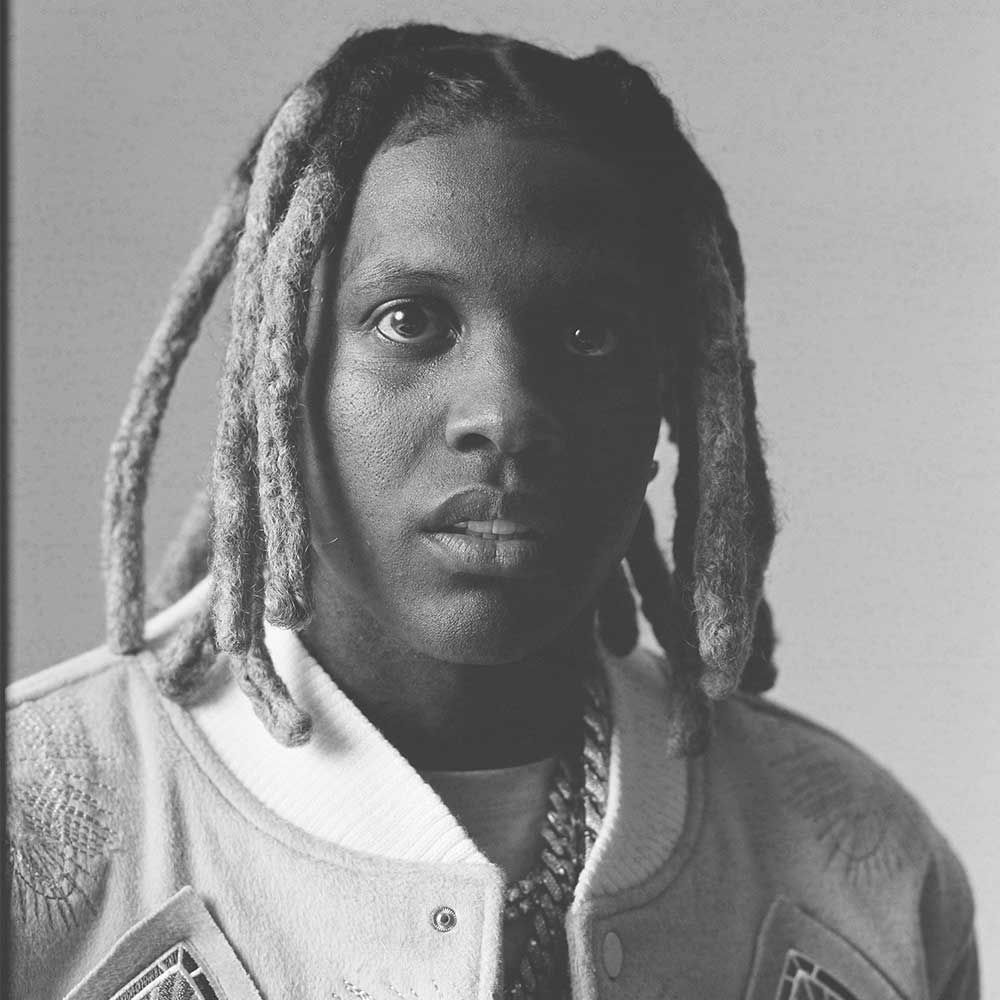
Whether you’re going for a pop culture costume, celebrity costume, or just a downright hilarious costume for Halloween this year, getting the hair color just right is key.
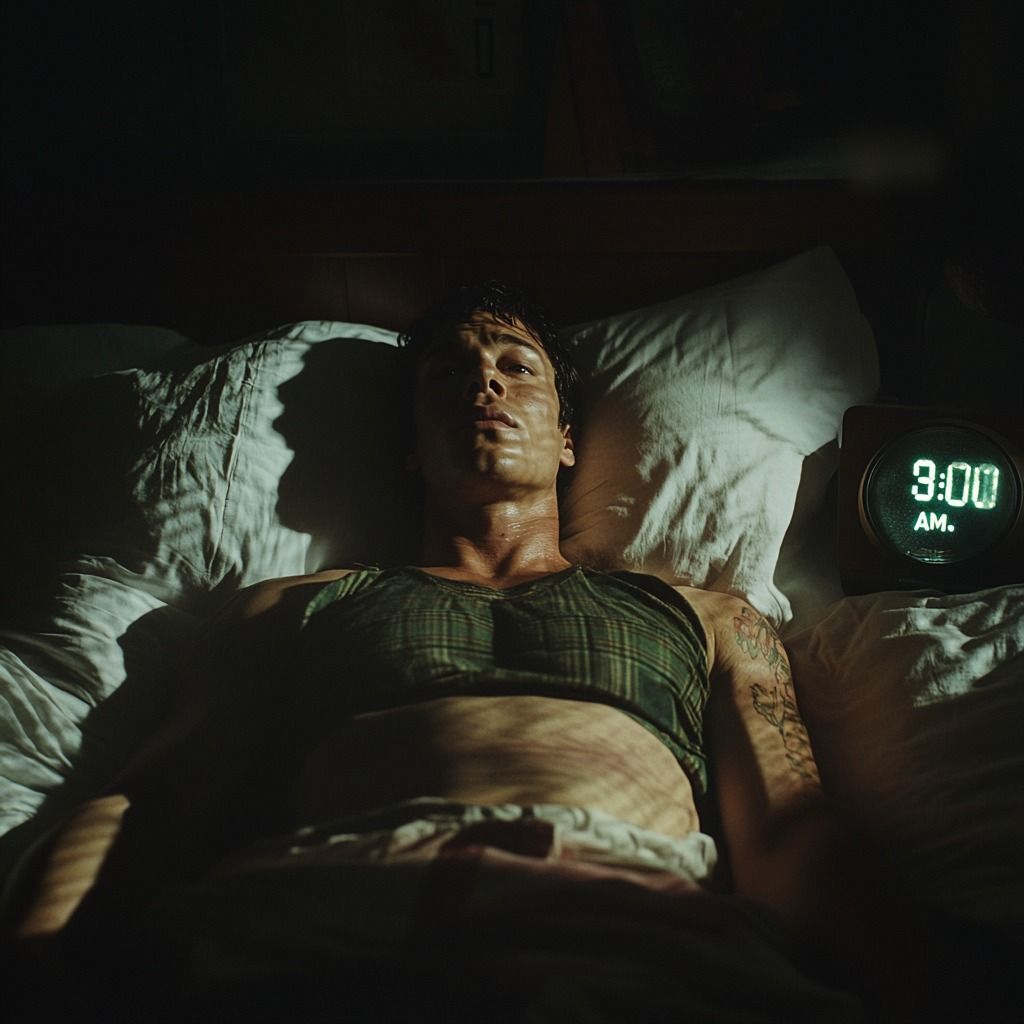
Sleep has quietly become one of the most overlooked parts of modern life, and it is starting to show. Across busy routines, late nights, and constant screen time, people are sleeping less and expecting more from themselves the next day. What often gets brushed off as just feeling tired is now being linked to something bigger. From mental clarity to physical health, the impact of poor sleep is deeper than many assume, and it is affecting people in ways that are not always immediately obvious.
At a basic level, sleep is how the body resets. It is when the brain processes information, clears out waste, and prepares for the next day. Without enough of it, everything slows down. Focus drops, decision making becomes less sharp, and even simple tasks feel harder. Over time, this builds up. Lack of sleep has been linked to conditions like insomnia, anxiety, and even longer term health issues such as heart problems. It is not just about feeling tired for a day or two. It is about how the body copes when rest is consistently missing.
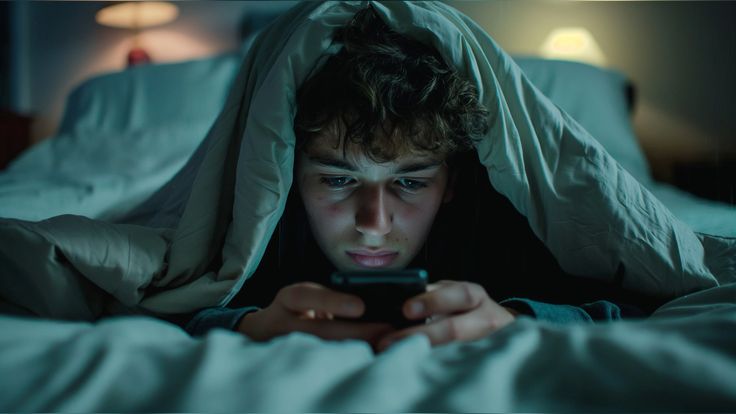
The problem is that modern lifestyles are not built around rest. Phones, streaming, and late working hours have blurred the line between day and night. Many people stay connected long after they should be winding down, often without realising the effect it has. The blue light from screens can disrupt natural sleep cycles, making it harder to fall asleep even when the body is ready. Add stress into the mix, and it becomes even more difficult. The result is a cycle where poor sleep leads to low energy, which then leads to habits that make sleep worse.
There is also a cultural side to it. Being busy is often seen as productive, and cutting back on sleep can sometimes feel like a trade off worth making. Early mornings and late nights are worn almost like a badge of honour. But that mindset is starting to shift. More people are beginning to recognise that rest is not wasted time. It is part of performing well. Athletes, business leaders, and health experts are all placing more importance on sleep as a foundation, not a luxury.
Public awareness is growing, but change is slow. Some are making small adjustments, like setting better routines or limiting screen time before bed. Others are turning to sleep tracking apps or wellness trends, trying to understand their patterns better. Still, for many, sleep remains something they will fix later, often after problems start to appear.
Experts suggest that the long term impact of poor sleep could be one of the biggest hidden health challenges. It does not always show up immediately, which makes it easy to ignore. But over time, it affects energy, mood, productivity, and overall wellbeing. It becomes harder to separate cause and effect, because everything starts to feel connected.
Looking ahead, the conversation around sleep is likely to grow stronger. As more research comes out and awareness increases, the way people think about rest could change. Work schedules, technology use, and daily routines may slowly adapt to reflect its importance. It will not happen overnight, but the direction is clear.
For now, the message is simple, even if it is often ignored. Sleep is not something extra that can be squeezed in when there is time. It is part of how the body functions at its best. And in a world that rarely slows down, that might be exactly why it matters so much.
Keep in touch with our news & offers
Subscribe to Our Newsletter
Thank you for subscribing to the newsletter.
Oops. Something went wrong. Please try again later.