Walmart, Costco, and Amazon set to gain as GLP-1 prescriptions rise, enhancing customer relationships and driving sales in retail pharmacy.
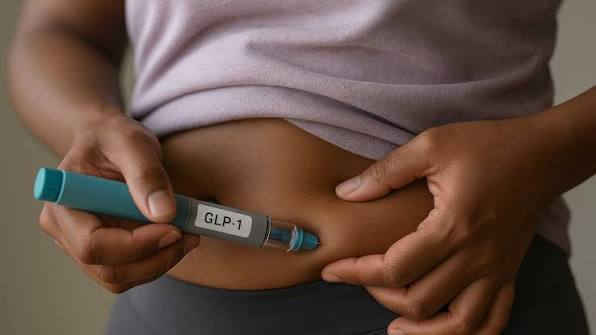
Walmart, Costco, and Amazon set to gain as GLP-1 prescriptions rise, enhancing customer relationships and driving sales in retail pharmacy.
The retail pharmacy landscape is shifting dramatically as GLP-1 prescriptions become a central focus for chains like Walmart, Costco, and Amazon. This evolution is not merely about increasing individual sales; it’s about establishing long-term customer relationships that accompany every decision to fill a prescription. Shoppers picking up their GLP-1s might also end up buying deodorants, paper towels, and other essential items in the same trip.
Eric Bormel, a managing director specializing in digital healthcare at Solomon Partners, highlights that retailers are recognizing the importance of cultivating enduring relationships with customers through these prescriptions. “Retailers are betting that if they can become the front door for obesity care, they’ll earn a relationship that extends far beyond a single GLP-1 prescription,” Bormel stated.
The direct-to-consumer (DTC) GLP-1 programs serve as strategic tools for customer acquisition. Retailers are viewing the entire ecosystem surrounding the medication, rather than just the drug itself, which is facing price pressures. Bormel further commented, “Everyone recognizes that obesity treatment is becoming a longitudinal consumer relationship.” This realization contrasts with initial fears that GLP-1s would deter retail sales as consumers cut back on impulse buys.
As customers engage in GLP-1 programs, their purchasing patterns are expected to evolve. This is especially true for clothes, as weight loss can drive the need for new apparel. The prescription refill model plays into a broader strategy for retail pharmacy networks, which see the weight-loss drug boom as a pathway to greater sales, even amid low margins.
Jackie Swanson, managing partner at Gartner Consulting, remarked, “In a retail industry that spends billions chasing foot traffic, that is the most reliable recurring customer relationship on the market.” This is largely due to the non-negotiable nature of medication refills, fostering habitual visits to stores.
The significance of Walmart acting as a pickup point for LillyDirect cannot be overstated. Customers collecting prescriptions must walk through the store, leading to additional purchases. Swanson describes this dynamic as “pharmacy lock-in,” which applies loyalty program economics to pharmaceuticals.
These refills are connected to cash prices ranging from $299 to $449 monthly, with better rates for prompt refills. Swanson refers to this scheme as a discount schedule resembling a loyalty program. Notably, Novo Nordisk’s NovoCare offers an introductory price of $199 for initial months, which later increases to $349.
Costco’s association with Sesame prices Wegovy around $349, necessitating a membership, thereby linking prescriptions to broader retail offerings. While these discount programs present real savings for clients, they also serve as minimal acquisition costs for retailers, underpinning long-term relationships.
Walmart, now the fifth-largest prescription provider with around 4,600 pharmacies, is actively repositioning itself in light of this shift. The company expanded its Better Care Services digital platform in April, bundling GLP-1 prescriptions with supportive resources like nutrition coaching and fitness apps.
Amazon, aiming to bolster its presence in the healthcare sector, is taking steps too. The company rolled out a GLP-1 management initiative via Amazon One Medical and Amazon Pharmacy, offering insured patients prices as low as $25 per month, with same-day delivery in nearly 3,000 cities.
Even as major retailers dive into the GLP-1 market, smaller independent pharmacies face challenges. Seth Friedman, a pharmacy practice leader, notes potential volume losses for smaller establishments. Dared Price, who operates nine pharmacies in small Kansas towns, expressed frustration at the competitive edge larger chains have. “It puts independent pharmacies at a big disadvantage,” Price said, cautioning about the risks for patients who might not receive comprehensive care from large chains.
Concerns are also raised about the impact of a focus on cost over comprehensive care. Elina Onitskansky, founder of an obesity-care center, pointed out that while GLP-1s are valuable, relying solely on medication is insufficient. She warned this race for price might leave patients without essential health support.
While independent pharmacies face significant pressures, Price commented on the missed opportunities for them to participate in similar DTC programs. “There are no good programs for independents. It is a travesty that there aren’t,” he concluded.
Keep in touch with our news & offers
Subscribe to Our Newsletter
Thank you for subscribing to the newsletter.
Oops. Something went wrong. Please try again later.