The EU calls for urgent discussions on the increasing migrant crisis in Ceuta, following tensions between Spain and other member states.
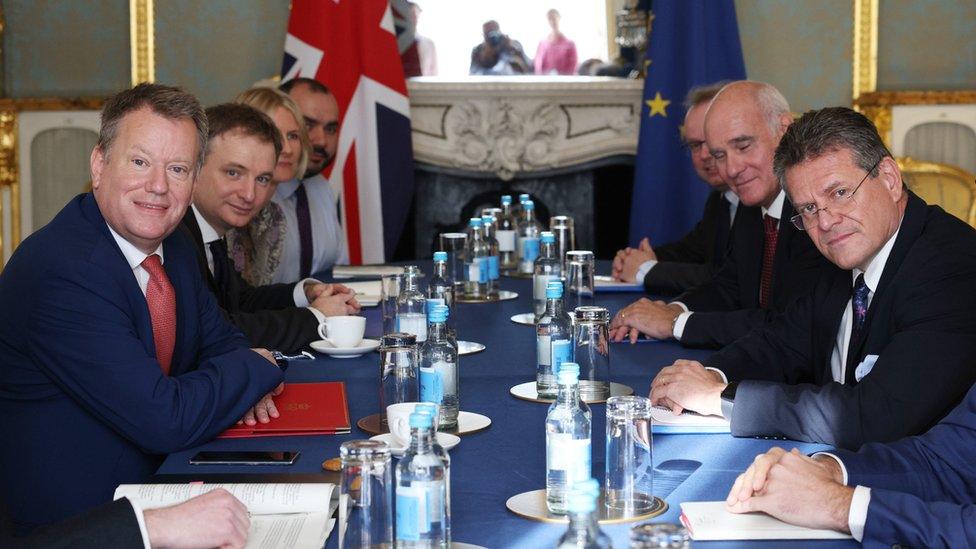
The EU calls for urgent discussions on the increasing migrant crisis in Ceuta, following tensions between Spain and other member states.
The European Union is set to convene emergency discussions on Tuesday to address the escalating migration crisis affecting Ceuta, an enclave of Spain located on the Mediterranean coast, after persistent tensions arose between Spain and other EU member states.
In response to the influx of approximately 60,000 migrants arriving from Morocco, 22 EU member states issued a joint letter advocating for coordinated action and the fortification of the EU’s external borders. This surge has sparked significant controversy, with Spain condemning the reaction from some countries as “selfish, polarising and unlawful.” The situation was exacerbated when Italy temporarily suspended the Schengen border-free agreement with Spain, a move that received support from Finland and Denmark.
While officials report that nearly all migrants who reached Ceuta on July 30 have since returned, the tragedy associated with this crisis includes at least 67 documented deaths resulting from the dangerous crossings.
The letter from the concerned EU members, which includes leaders from the Netherlands, Finland, and Belgium, was addressed to prominent EU figures such as EU President Antonio Costa and European Commission President Ursula von der Leyen.
In a separate communication, Spanish Prime Minister Pedro Sánchez expressed his “serious concerns” regarding certain European governments’ reactions to the situation. He stated that Spain had successfully regained control over its borders and prevented any unauthorized movement towards continental Europe within a mere 48 hours.
Sánchez has criticized European nations for their perceived attacks on Spain, attributing this behavior to a mix of prejudice, misinformation, and political agendas. He also clarified that Ceuta is not part of the Schengen zone.
Earlier this week, Sánchez accused human traffickers of exploiting a recent Supreme Court ruling that limited the government’s ability to deport individuals who arrived by sea without delay. According to Spain’s Interior Minister, Fernando Grande-Marlaska, the situation in Ceuta has nearly normalized, and the government is implementing the use of inflatable barriers to curb illegal water crossings.
Businesses in Ceuta have reopened as life begins to return to normal. Nonetheless, the implications of this crisis have raised larger questions about the Schengen Area—a system that allows free movement across 29 European countries, comprising a collective population of over 450 million.
The suspension of the Schengen agreement by Italy, backed by Finland, France, and Portugal, has put added pressure on EU leaders. Danish Prime Minister Mette Frederiksen has urged the EU to evaluate all possible measures, including a potential suspension of the Schengen cooperation. In response to the crisis, von der Leyen stated that the recent scenes from Ceuta were “unacceptable,” emphasizing that the EU must uphold its immigration regulations.
In a broader context, German Chancellor Friedrich Merz has called on Morocco to assist by repatriating illegal migrants immediately. Meanwhile, UK Prime Minister Andy Burnham has reached out to Sánchez, offering UK support during this tumultuous time.
Ceuta, along with Melilla, represents the EU’s only land border with Africa, making it a critical point for migrants seeking access to European territories. Many have been attempting to reach the enclave via various means, including swimming long distances.
This year’s surge is remarkable, yet Ceuta has historically been a focal point for migrants striving to enter Europe. Each summer, organized efforts often amplified through social media platforms see large groups trying to reach this Spanish enclave. The diplomatic tension between Spain and Morocco in previous years sets a complex backdrop for the current situation.
In 2021, for instance, around 8,000 individuals entered Ceuta in just a few days, aggravating Spain’s diplomatic struggles with Morocco—issues which have resurfaced amidst the current crisis as the Spanish government seeks to balance its immigration policies with relations with its North African neighbors.
Keep in touch with our news & offers
Subscribe to Our Newsletter
Thank you for subscribing to the newsletter.
Oops. Something went wrong. Please try again later.