The US completes its mission in Nigeria against ISIS, withdrawing troops while ensuring continued military cooperation with Nigerian forces.
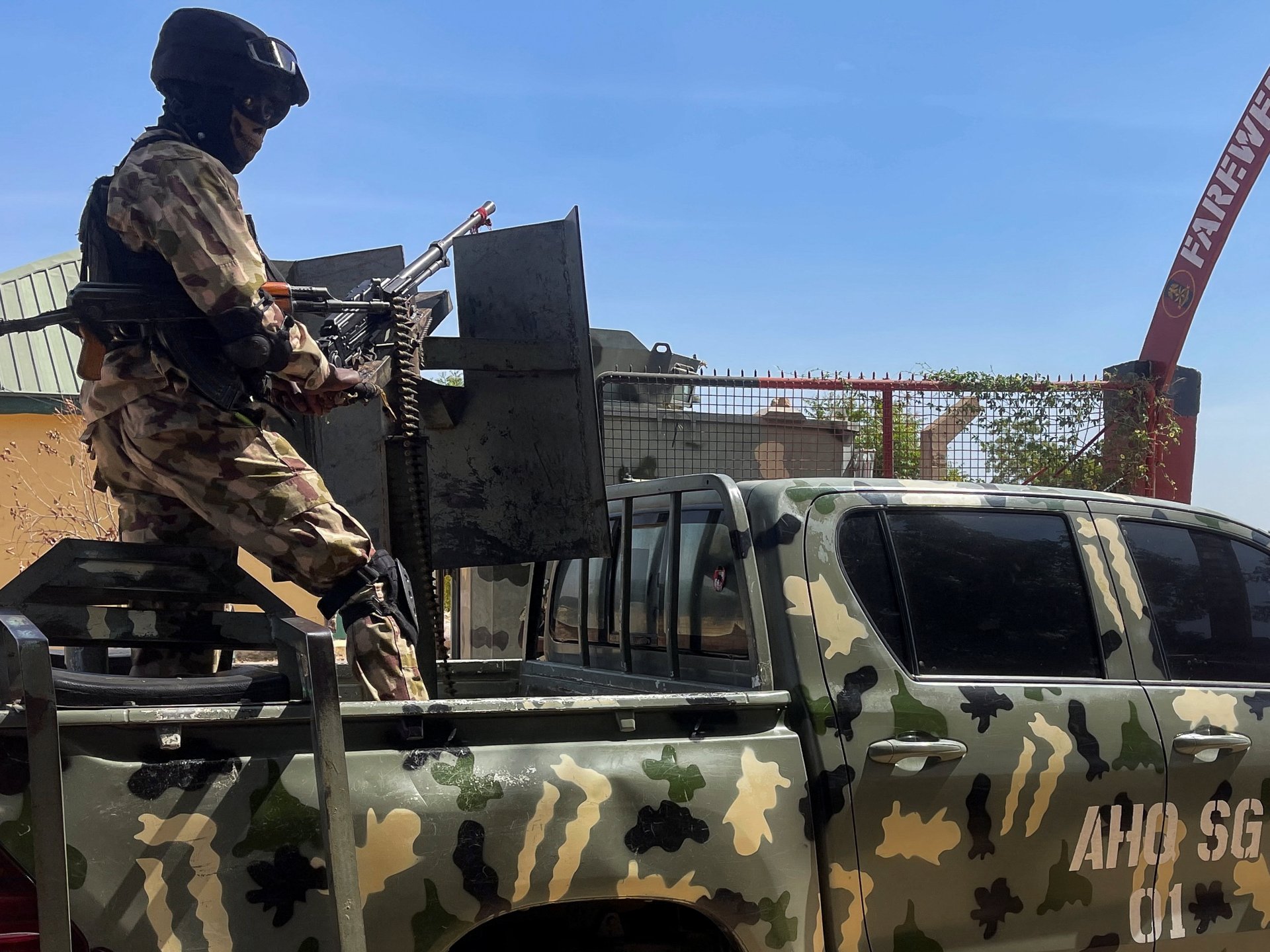
The US completes its mission in Nigeria against ISIS, withdrawing troops while ensuring continued military cooperation with Nigerian forces.
The United States has completed the withdrawal of most of its troops deployed in Nigeria as part of a mission to combat Islamist militant groups that had begun earlier in the year. The operation was launched in December, when US and Nigerian forces started joint efforts in the Lake Chad Basin, leading to several strikes against militants, including significant action on Christmas Day. A key success of the operation was the killing of Abu-Bilal al-Minuki, a senior leader of the Islamic State (IS).
On Thursday, US officials announced that the operation had been a success. A military spokesperson from Nigeria, however, assured that this troop withdrawal would not impact the momentum of their efforts against militant threats. Despite these coordinated operations, attacks from jihadist groups continue, particularly in the northeastern regions of Nigeria.
Maj-Gen Michael Onoja confirmed that intelligence-sharing between the two nations would persist, a point reiterated by the US military during their briefing. This cooperation has become more pronounced following accusations against Nigerian authorities for insufficiently protecting vulnerable populations from Islamist violence. The Nigerian government has since denied these assertions, arguing that the violence encompasses various communities.
Earlier this year, around 200 troops were sent to assist Nigeria’s counter-insurgency missions, although US military officials specified that their forces would not engage in direct combat. General Dagvin Anderson, the commander of US Air Forces in Africa, stated that the operation had indeed been fruitful, significantly degrading IS’s leadership in Nigeria.
Analysts highlight a shift in IS’s operations over recent years, noting that approximately 90% of its attacks now occur in sub-Saharan Africa, with the affiliate in Nigeria being the most active. Anderson noted that local command structures and the broader global network of IS had both suffered disruptions due to the joint operation, limiting their communication capabilities.
Even with the troop withdrawal, military personnel who were stationed in Nigeria before this operation remain in the country, ensuring ongoing support. Major General Samaila Uba emphasized this commitment as Nigeria continues to grapple with various security issues. These include rampant banditry and criminal violence that has escalated beyond the northern regions into central and southern areas of Nigeria.
Keep in touch with our news & offers
Subscribe to Our Newsletter
Thank you for subscribing to the newsletter.
Oops. Something went wrong. Please try again later.