The US expands sanctions against Iran, warning China about its oil purchases, risking potential retaliatory actions and affecting global oil markets.
The US expands sanctions against Iran, warning China about its oil purchases, risking potential retaliatory actions and affecting global oil markets.
The US has put the world on notice to cease doing business with Iran, emphasizing the dire consequences for any country choosing to ignore these orders. This latest expansion of sanctions aims to significantly cut off Iran’s economic lifeline. While many countries face pressure to sever ties with the Islamic republic, Washington remains particularly cautious about the repercussions of these measures on China, the largest buyer of Iranian oil in recent years.
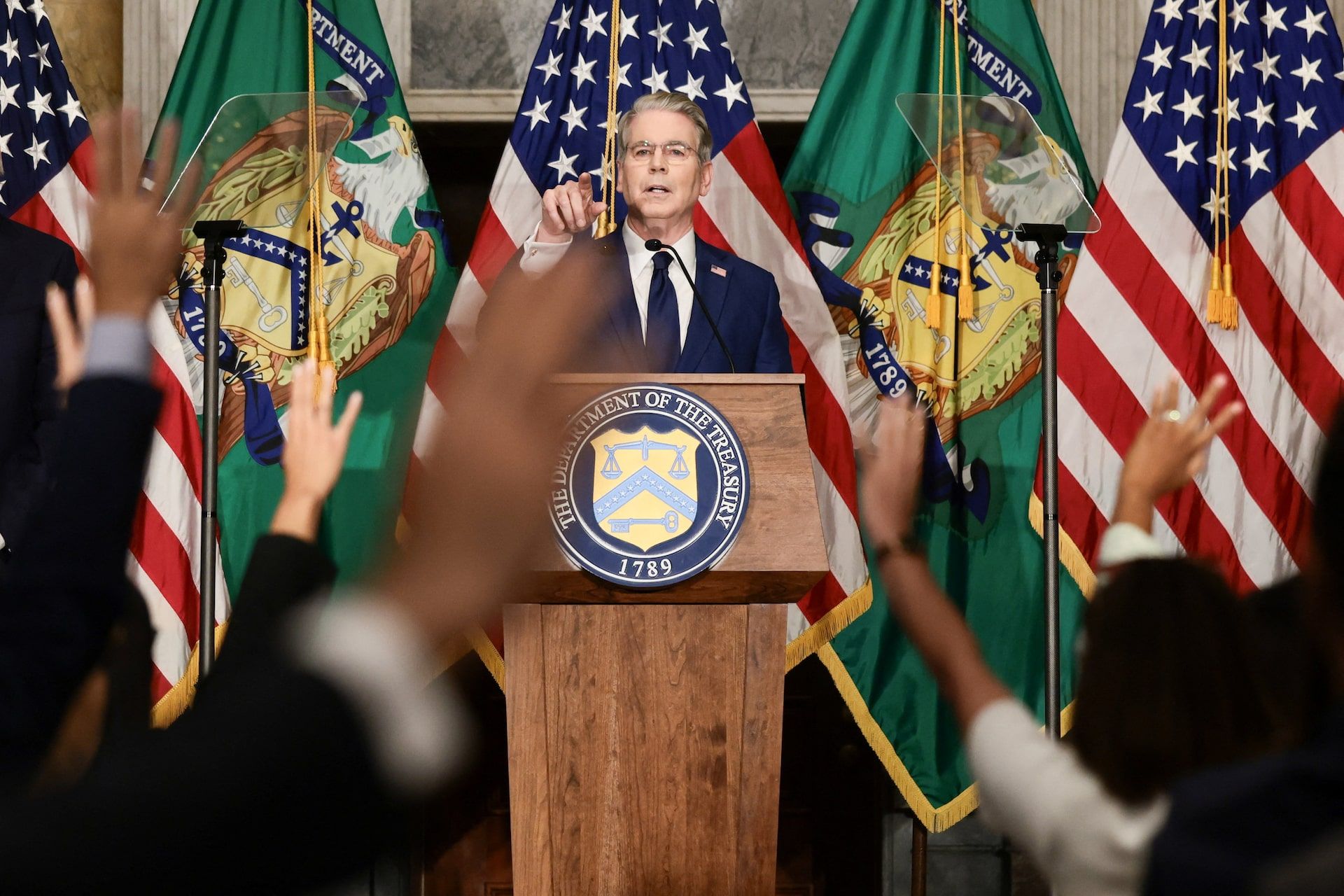
Treasury Secretary Scott Bessent reiterated that nations need to cut their business connections with Iran or risk exclusion from the dollar-based financial system. Although the US blockade of Iran’s ports, reinstated in mid-July, has already diminished Iranian oil shipments to China, experts warn that the Biden administration is wary of possible Chinese retaliation if sanctions target its financial institutions.
During the early conflict period, oil shipments from Iran to China have maintained a steady flow, with imports slightly dropping from 1.57 million barrels a day in February to 1.47 million barrels a day in March, according to Kpler ship tracking data. However, those numbers have recently experienced a dramatic plunge as the US renewed its blockade. By June, shipments had fallen to 785,000 barrels per day—the lowest level since February 2023—only to rebounce slightly to 823,000 barrels in July before dropping again in August to 534,000.
Independent Chinese refiners, often referred to as “teapot” refineries, remain the primary buyers of Iranian crude due to attractive price discounts compared to mainstream products. Meanwhile, state-owned Chinese refiners have hesitated to engage in importing Iranian oil since 2019. Their reluctance stems from a desire to avoid being cut off from the international financial system dominated by the US dollar. However, independent refiners, catering to domestic markets, have shown a consistent interest in Iranian crude.
To sidestep US sanctions, Iranian oil shipped to China is frequently disguised as Malaysian or Indonesian crude and settled in Chinese currency, utilizing a complicated network of intermediaries that makes tracking challenging for authorities. Washington has amplified its efforts to disrupt Chinese purchases of Iranian oil since President Trump returned to power at the beginning of last year. The sanctions have primarily targeted smaller Chinese refineries and other entities involved in the oil supply chain.
Additionally, the US Treasury Department has warned two major Chinese banks about the risk of secondary sanctions should any Iranian funds be detected within their financial systems. Although sanctions have been imposed on the Hengli Petrochemical refinery in Dalian and around 40 shipping firms for engaging with Iranian oil, Hengli has categorically denied these allegations.
Despite the stringent sanctions, past measures have had limited success in curtailing Chinese imports of Iranian oil. Responding to inquiries about the situation, Treasury Secretary Scott Bessent stated, “We want to make clear here today that no one is above the reach of US sanctions.” In contrast, the Chinese foreign ministry contended that sanctions and pressure tactics do not yield positive results, asserting that China will take necessary actions to safeguard its interests.
Iran’s economy minister, Ali Madanizadeh, commented on the international situation, claiming that neither China nor Russia has complied with US sanctions and predicting that other countries would similarly resist these measures. He stated, “Naturally, the enemies intend to launch an economic terrorist attack on us, but we also have our own tools and know how to play the game.”
Keep in touch with our news & offers
Subscribe to Our Newsletter
Thank you for subscribing to the newsletter.
Oops. Something went wrong. Please try again later.