The US has canceled Brazil’s ambassador visa, intensifying diplomatic tensions over recent visa disputes related to Brazil’s upcoming elections.
The US has canceled Brazil’s ambassador visa, intensifying diplomatic tensions over recent visa disputes related to Brazil’s upcoming elections.
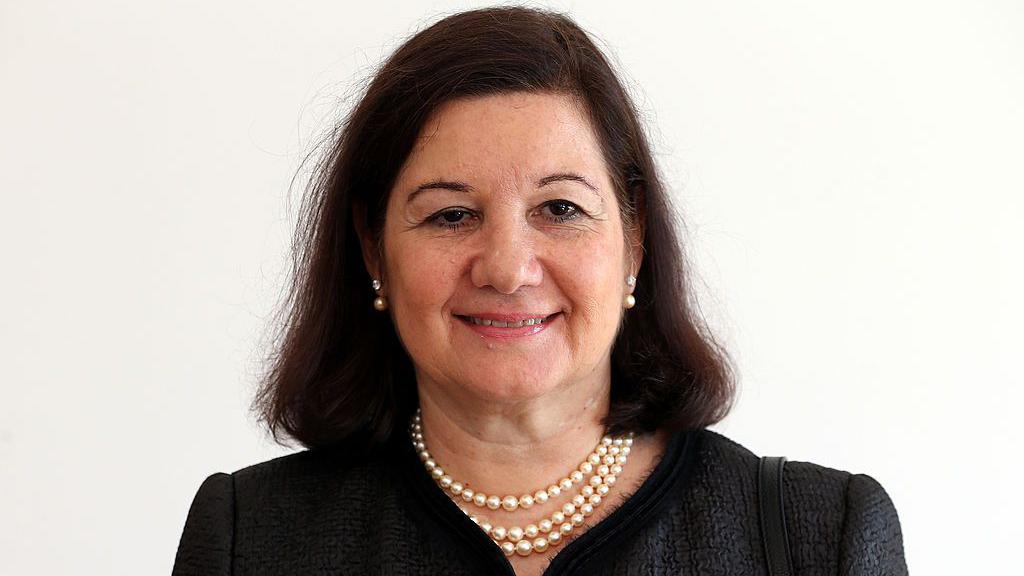
The US has revoked the visa of Brazil’s ambassador to Washington, Maria Luiza Ribeiro Viotti, as confirmed by a state department official. This action escalates the ongoing diplomatic tensions between the two nations, particularly in the lead-up to Brazil’s elections.
This visa cancellation follows Brazil’s recent denial of visas for two US state department officials who had intended to visit the country last month. President Luiz Inácio Lula da Silva accused these officials of attempting to meddle in Brazil’s elections, a claim the US government labeled as ‘baseless.’
A spokesperson from the state department stated that this visa revocation should not be interpreted as an expulsion from the US. Instead, it was characterized as a ‘reciprocal action,’ following weeks of communication with the Brazilian government aimed at resolving the situation.
Despite the revocation, the state department noted that Viotti is not officially barred from re-entering the US, indicating that ‘additional diplomatic options remain on the table.’
This incident marks the latest in a series of disputes between the two countries, which have escalated notably after the US reinstated tariffs on Brazil and classified Brazilian gangs as terrorist organizations.
The Brazilian presidency released a statement saying that the US justifications for the visa cancellation were ‘false.’ The visa denials for the US officials came after they were scheduled to conduct discussions on matters concerning freedom of expression, religion, and election integrity. They were also meant to meet with the right-wing political candidate Flávio Bolsonaro, who is the son of former president Jair Bolsonaro.
The elder Bolsonaro is currently serving a lengthy prison sentence tied to a coup attempt after losing the previous election. Flávio Bolsonaro recently drew attention for his remarks on Brazil’s electronic voting machines and their origins, suggesting links to Venezuela. He cited a CIA report claiming electoral fraud in that country, although he later clarified that his aim was merely to encourage international observers, not to dispute the electoral system’s integrity.
Following the scheduled meeting with Flávio Bolsonaro, the Brazilian government blocked the visas for the US delegation, citing fears they would attempt to undermine the electoral legitimacy. The two US officials whose visas were denied were identified as Riley M Barnes, the assistant secretary for democracy, human rights, and labor, and Samuel Samson, a deputy assistant secretary within that department.
The Brazilian presidency expressed that the US officials’ visit was an ‘unacceptable attempt to interfere in the country’s domestic political process.’ Moreover, claims made by Flávio Bolsonaro regarding Brazil’s electronic voting machines have been rejected by Brazil’s Superior Electoral Court, with experts hailing the country’s election system as exceptionally secure.
Additionally, the Brazilian government is withholding approval for Daniel Perez, US President Donald Trump’s nominee for the next ambassador to Brazil. His nomination, made in June, lacked prior consultation with Brazil, which is a customary diplomatic courtesy. The Brazilian presidency maintained that it is adhering to international law while the request for Perez’s approval remains under review.
President Lula has publicly criticized the US state department under Marco Rubio for increasing intervention in Latin American politics, including backing conservative candidates in various elections.
Keep in touch with our news & offers
Subscribe to Our Newsletter
Thank you for subscribing to the newsletter.
Oops. Something went wrong. Please try again later.