The US has urged the EU to ease laws impacting large firms’ responsibility for global supply chains, stressing trade commitments need to be met.
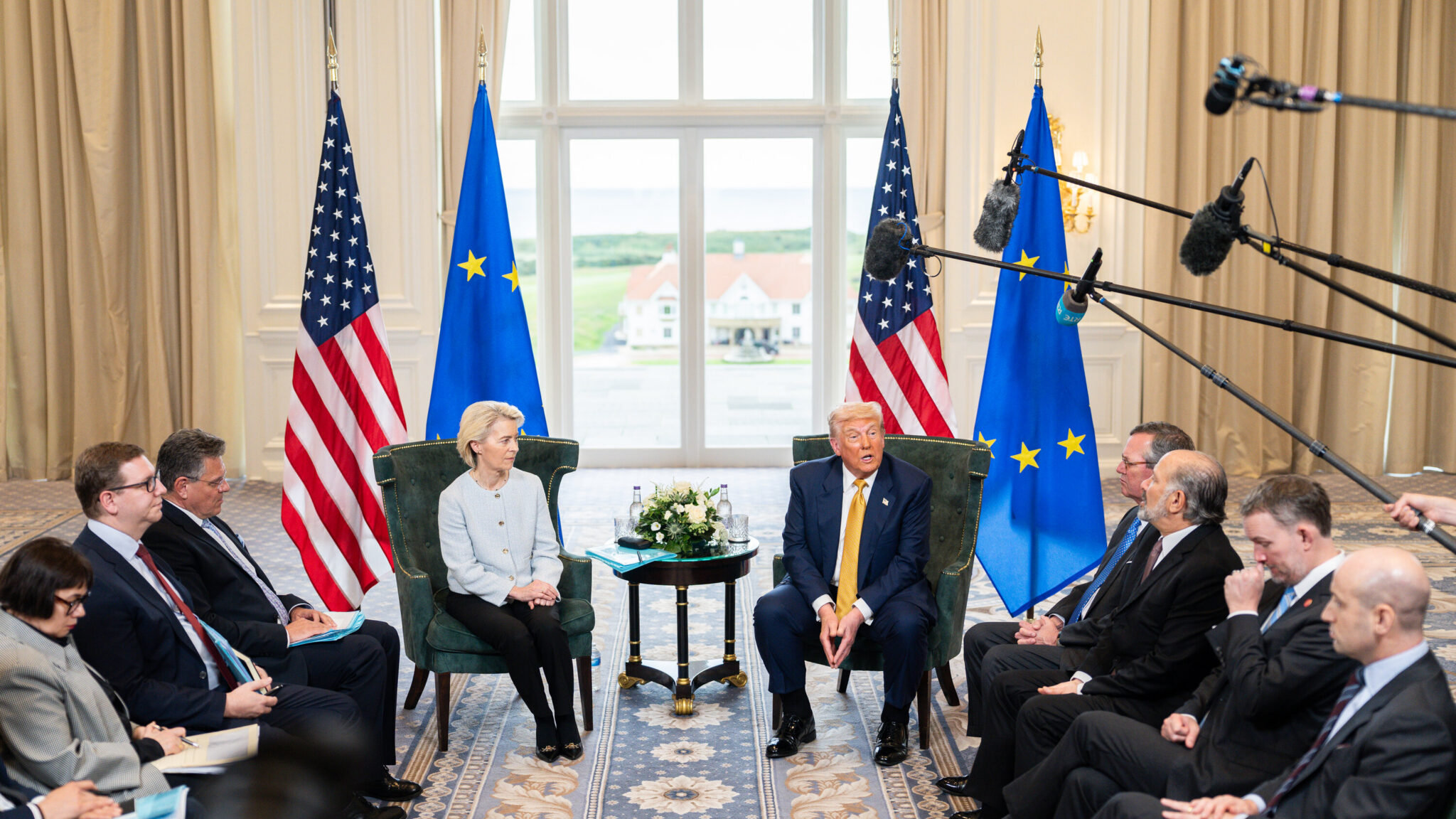
The United States has intensified its call for the European Union to act on non-tariff trade commitments made between the two powers. On Friday, U.S. officials expressed concerns regarding EU regulations that place significant responsibilities on large corporations to address the environmental and social impacts of their global supply chains.
According to U.S. Trade Representative Katherine Tai, the EU’s implementation of these laws could hinder trade relations between the U.S. and Europe. During an official statement, Tai remarked, “We expect the EU to deliver on its pledge not to allow these regulations to impede transatlantic trade. This is essential for fostering a fair trading environment that benefits both parties.”
This push from the U.S. comes as part of a broader strategy to facilitate smoother trade flows and enhance economic cooperation. The U.S. administration believes that while environmental and social regulatory measures are important, they must not become barriers to trade.

Moreover, U.S. officials indicated that they would continue to engage with their EU counterparts to ensure a mutual understanding and smoother implementation of trade agreements. This is pivotal as the complexities surrounding trade rules and regulations evolve in response to global economic challenges.
The discussions occur against the backdrop of increasing tensions surrounding international trade policies, with both the U.S. and EU striving for a balance that supports global supply chain integrity while also addressing critical social and environmental issues.
In recent months, various industries have raised alarms over the potential consequences of stringent regulations creating unintended trade barriers. The U.S. hopes to work collaboratively with the EU to develop solutions that will meet both sides’ objectives without negatively impacting trade dynamics.
As the U.S. continues to apply pressure, the outcome of these discussions may significantly influence the future trajectory of U.S.-EU trade relations, as both sides seek to navigate the complex landscape of global trade amidst advancing regulatory frameworks.