Afghan women’s lives have changed drastically under Taliban rule, facing restrictions in education, jobs, and healthcare that endanger lives.
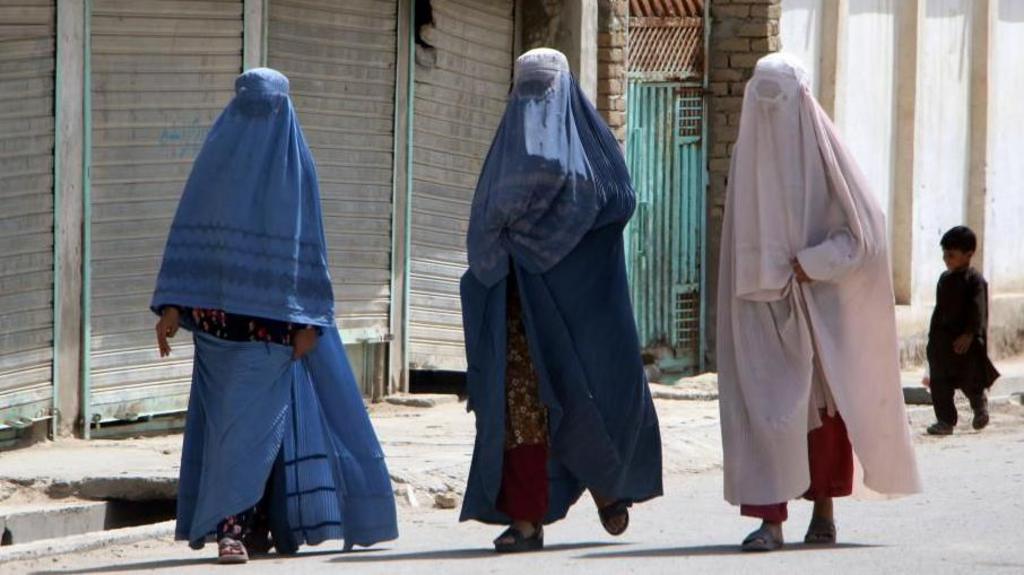
Five years after the Taliban regained control in Afghanistan, women and girls now describe their lives as unrecognizable under the regime. Since the return of the hard-line Islamist group in 2021, the rights of around 22 million women in the country have faced serious erosion.
The Taliban has restricted access to education, barring girls over 12 from schools, and imposed laws that allow for child marriage. Interviewed by the BBC, women from diverse regions including Kabul and the countryside expressed their struggles with these constraints.
In response to questions from BBC Afghan, the Taliban’s foreign minister, Amir Khan Muttaqi, insisted that “Women are not totally restricted on all walks of life”. Despite such claims, the restrictions permeate many areas of women’s lives, forcing many to hide their identities due to fear of retribution.
Ela, a woman from Kabul, articulated the feeling of many, saying, “People are so overwhelmed by poverty and daily hardships that many have been forced to put their education, dreams, and hopes for the future aside. Today, survival has become the priority.” Indeed, Afghanistan stands out as the only country globally where girls are officially banned from secondary and higher education.
Shakiba recounted a painful memory associated with the Taliban takeover: “15 August, when the government fell, was the worst and most painful day of my life.” She expressed that her dreams felt dashed and impossible to achieve in this new climate.
Although Shakiba managed to complete her secondary education online, her aspiration of becoming a pilot feels distant. She reflected, “Whenever I looked at the sky I imagined myself flying an airplane and seeing the world from above.” This ambition highlights the wider anxieties many Afghan women face.
Against the backdrop of restrictions, Amir Khan Muttaqi claimed that around three million girls are currently attending schools and religious centers. However, reports from UNICEF indicate that approximately 2.6 million girls are unable to go to school past Grade 6.
The situation for women in the workforce is also dire; only 7% are currently employed following a wave of bans from various sectors. Many women, like news anchor Zuhal, were pushed out of their jobs, leaving a gaping void in their professional lives. “Every time I sat in front of the camera… it was part of my identity and life,” she recalled wistfully.
Additionally, public corporal punishments have returned under the Taliban. One woman, Shaima, shared the traumatic experience of being flogged, a fate that far too many have endured since the regime took control.
Maternal healthcare is also under siege in the country, with many women unable to access vital care due to prohibitive regulations. Marzia, a midwife, witnessed a heartbreaking case where a mother died because she could not receive proper treatment.
Meanwhile, there remain glimmers of hope among some women in the nation. Noori, 24, is determined to empower her peers, saying she has taken the initiative to work in a jam-making company and is considering starting her own business to provide jobs for women.
Asma, a 13-year-old girl, remains optimistic about the future, declaring, “One day, everything will change… but we must continue with patience, and we will not lose hope.”
Ela urged the international community to engage with the plight of Afghan women, expressing a need for global attention and support for their right to education and work.