The US collaborates with Japan to stabilize the yen, addressing economic pressure as Japan faces rising inflation and political challenges.
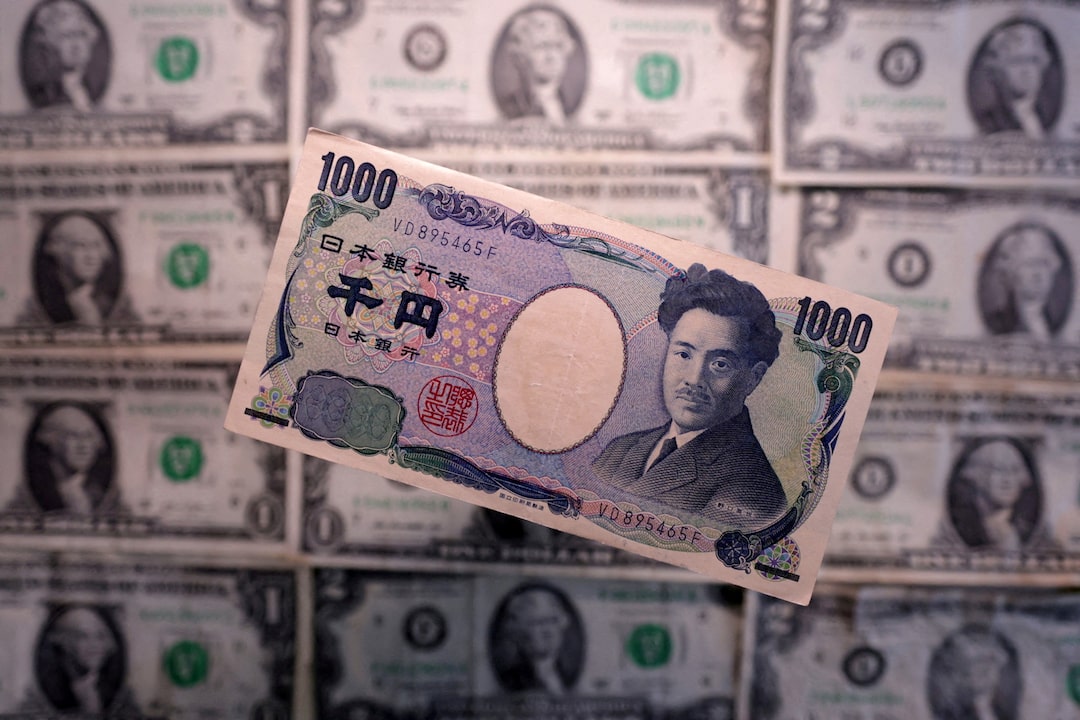
The US collaborates with Japan to stabilize the yen, addressing economic pressure as Japan faces rising inflation and political challenges.
The US has launched a significant intervention to bolster the value of the yen, marking the first time in nearly 30 years that such action has been taken. This coordinated effort with the Japanese government comes in the wake of the yen’s alarming decline, which has placed immense pressure on Japan’s struggling economy.
As the yen teeters near 40-year lows, Japan relies heavily on imports for energy and food. A weakened yen invariably raises the cost of these imports, adversely impacting both businesses and consumers alike. With inflation on the rise, Prime Minister Sanae Takaichi finds herself under increasing political pressure to stabilize the economy and reinvigorate growth.
Since 2022, Japan has expended billions in attempts to halt the currency’s downward trajectory, yet the yen continues to hit record lows. Analysts attribute this decline to a combination of factors, including large-scale currency sell-offs by investors and broader global events affecting currency values.
Japan notably depends on energy sourced from the Middle East, and the ongoing conflict related to the US war on Iran further compounds the economic challenges. The result has been soaring inflation rates, prompting the government to implement significant fuel subsidies to alleviate strains faced by consumers.
The Bank of Japan (BOJ) has kept interest rates at exceptionally low levels, a decision which further devalues the currency by making it less appealing to international investors.
Government debt looms large as another complication, with Japan’s public debt exceeding 200% of its GDP, the highest among G20 nations. As Takaichi seeks to spur growth amid these fiscal pressures, questions have arisen regarding the sustainability of her policies.
Hints of the US intervention emerged during a recent cabinet meeting held by the Trump administration, with Treasury Secretary Scott Bessent noted to have written down a directive: “To Do. Buy Japanese Yen (JPY) $5-10 bil.” Trump confirmed the purchase of billions in yen, characterizing it as beneficial for the global economy. However, some analysts suggest that the Trump administration may have ulterior motives, namely concerns that Japan’s yen-buying could adversely affect US economic interests by increasing borrowing costs.
In facilitating the purchase of yen, Japan has resorted to selling US government bonds, known as treasuries. When large quantities of these bonds are sold, it inevitably leads to a rise in the interest rate the US government pays, complicating its own borrowing landscape.
Experts assert that the intervention from the US is politically motivated, potentially aligning with the Trump administration’s domestic strategy while stabilizing a key ally in Japan. Takaichi’s administration has indicated intent to reduce sales taxes on food temporarily, a policy aimed at mitigating the impacts of rising costs of living.
The situation remains fluid as Takaichi, under political duress, works tirelessly towards an economic recovery. Her promise of substantial investments across various sectors as part of a growth-oriented agenda has garnered both support and skepticism in equal measure.
Furthermore, the political landscape is nuanced. Japan is witnessing a military buildup not seen since World War II, with spending plans to increase defense investments to 2% of GDP over five years. This military shift coincides with the Trump administration’s encouragement for allied nations to take greater responsibility for their national defense strategy.
As the economic landscape evolves, the symbiotic relationship between Japan and the US will be closely scrutinized for its implications on global economic stability.
Keep in touch with our news & offers
Subscribe to Our Newsletter
Thank you for subscribing to the newsletter.
Oops. Something went wrong. Please try again later.