Duane Davis, accused in Tupac’s murder, reveals details in trial about the events that transpired on that fateful night in Las Vegas.
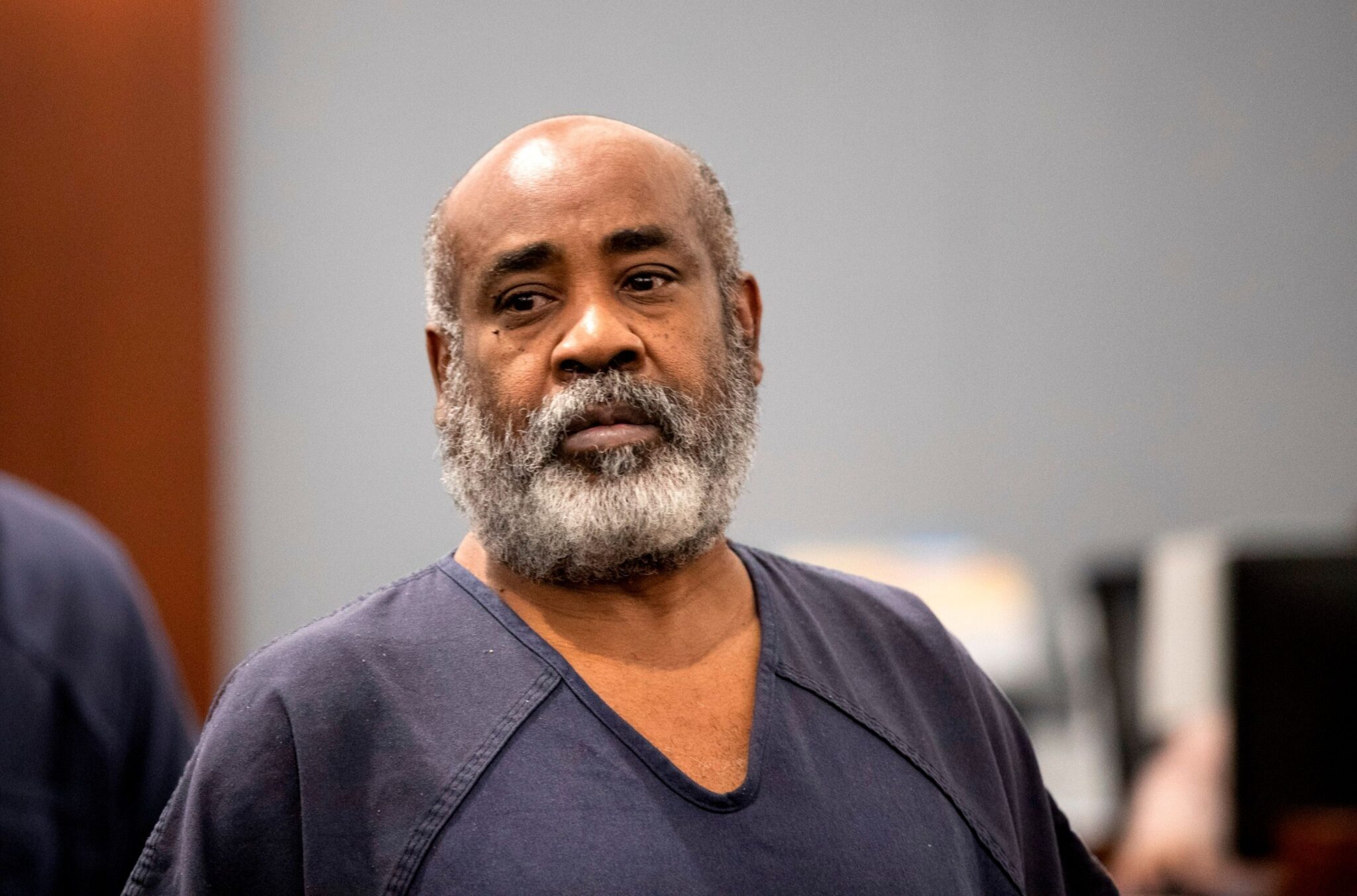
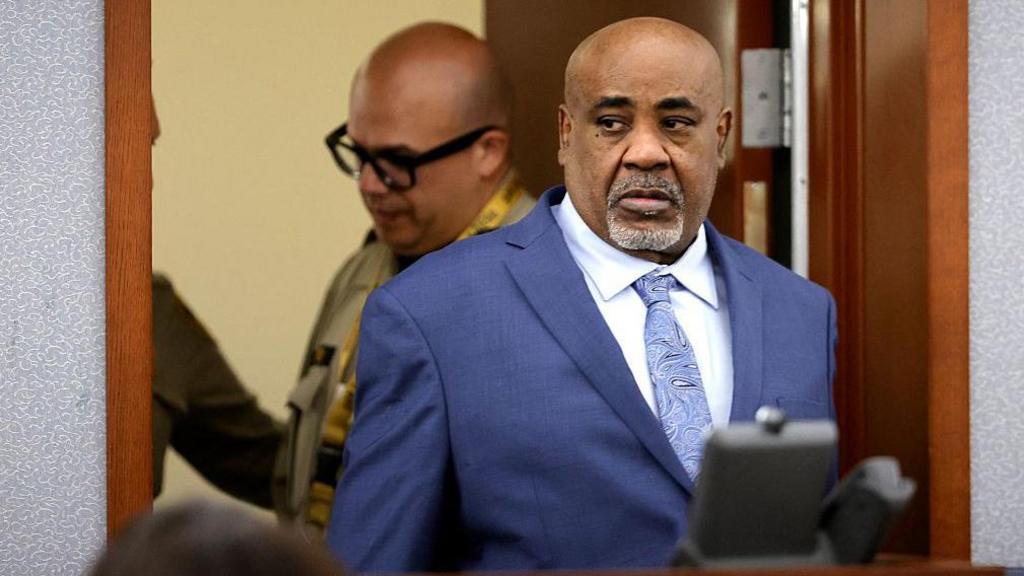
Duane “Keffe D” Davis, the man charged with orchestrating the murder of Tupac Shakur, recounted significant events during his trial in Las Vegas, detailing how he allegedly handed over the gun used in the infamous drive-by shooting that claimed the iconic rapper’s life in 1996.
The case has captivated public interest for nearly three decades, and jurors recently heard a recording of a police interview conducted with Davis in 2008 where he provided critical insights into the crime. Prosecutors have argued that Davis did not pull the trigger but played a pivotal role by supplying the weapon and ordering the hit on Shakur.
Davis, now 63, has pleaded not guilty to the charges against him. His attorney, Michael Sanft, contends that previous statements made by Davis should not be trusted.
Prosecutors assert that the motive behind the murder stems from a conflict involving Shakur and Davis’ nephew, Orlando Anderson, who had allegedly been assaulted by Shakur just hours before the shooting. Davis believed the attack on his nephew required retaliation.
During the trial, the jury listened to excerpts from the 2008 interview where Davis illustrated the moment the Cadillac carrying him and his accomplices stopped next to Shakur’s vehicle. “Yeah, if we would’ve been on my side, I would’ve blasted,” he reportedly stated.
According to Davis, he transferred the firearm to Deandre “Big Dre” Smith, who subsequently refused to take it, leading his nephew Anderson to take control and open fire. Anderson passed away years before the recorded interview, having always denied involvement in Shakur’s murder.
Detectives involved in the investigation told Davis that what he said in that interview would not be used against him, although the prosecution later argued that any agreement for Davis was void once he published his memoir, “Compton Street Legend,” in which he detailed his role in the shooting.
The book reveals Davis’s emotional response to his nephew’s altercation with Shakur, indicating he felt pushed to “do something” to avenge the incident.
Throughout his account, Davis also mentioned interactions with Sean “Diddy” Combs, asserting that discussions concerning the murder of Shakur occurred during various Bad Boy Records tour stops. This assertion was met with skepticism from the defense, prompting Sanft to question the reliability of Davis’s statements.
As the case continues to unfold, jurors have also heard from witnesses discussing the chaotic atmosphere surrounding Shakur’s murder, citing it as part of a larger gang conflict. Testimonies emphasize that Shakur had refused to cooperate with police following the shooting, stating to an officer, “we’ll take care of it.”
The trial not only reawakens painful memories from the 1990s hip-hop scene but also casts a light on the cultural tensions, violence, and distrust in law enforcement that surrounded it.