President Trump shifts U.S.-South Korea ties from military focus to economic partnership, raising concerns about security commitments.
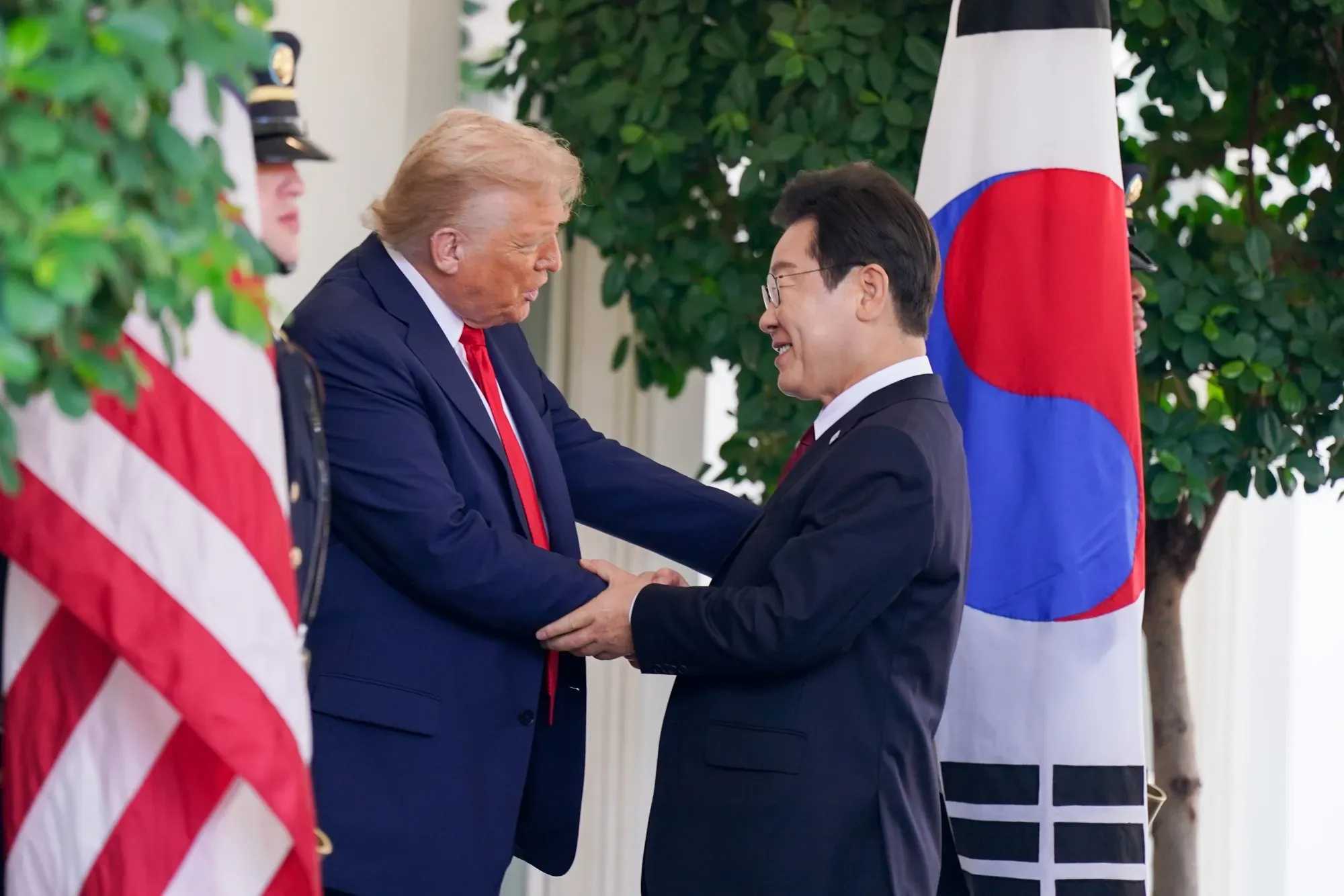
President Trump shifts U.S.-South Korea ties from military focus to economic partnership, raising concerns about security commitments.
President Donald Trump’s recent decision to reduce annual military drills with South Korea marks a significant shift in the nature of the U.S.-South Korea alliance. Initially established to counter threats from North Korea, this relationship is evolving as South Korea prepares to finalize major investment commitments to the United States.
Trump’s frustrations regarding U.S. military expenditures abroad have prompted calls for a focus on economic collaboration instead of military exercises. Experts suggest that this could indicate a fundamental change in the alliance’s foundation, moving from security to economic interests.
On August 16, Trump instructed the Pentagon to scale back military drills, describing them as “costly” and stating they send “inappropriate and hostile” signals to North Korea. This announcement coincided with the arrival of Korean Trade Minister Kim Jung-kwan in Washington to discuss investment and tariff negotiations with U.S. Commerce Secretary Howard Lutnick.
Last year, South Korea pledged $350 billion in investments to the U.S. in exchange for reduced tariffs, a crucial component of the partnership. However, the implementation of these investments has lagged behind, raising doubts about the U.S.’s commitment to South Korea’s defense.
Experts, including Darcie Draudt-Véjares from the Carnegie Endowment for International Peace, emphasize that this represents a transition to a partnership based on integrated industrial systems. She noted that these changes could redefine the U.S.-South Korea relationship, prioritizing economic ties over military cooperation.
While South Korea has increased investments in U.S. industries, such as semiconductors and electric vehicles, some analysts are concerned that Trump’s decision to reduce military presence could undermine U.S. credibility in the eyes of its allies. Jennifer Kavanagh from Defense Priorities pointed out that a smaller military footprint may reduce U.S. commitments in Asia.
The economic landscape between the two nations has been positively impacted as Korean tech firms play a vital role in the global AI market, directly benefiting from Trump’s reindustrialization initiatives aimed at competing with China.
Korean businesses are responding by enhancing their investments within the U.S. For instance, South Korean firm SK Hynix is setting up a $4 billion advanced packaging plant in Indiana while allocating $10 billion for new product lines and bolstering its operations in the country.
Despite these developments, some experts express skepticism about the ramifications of a decreased military presence. Bruce Klingner, a former CIA officer, stated that Trump’s move further nurtures doubts about the reliability of the U.S. as a partner in both security and economic matters.
The situation is further complicated by North Korea’s recent aggressive actions, including the launch of over ten short-range ballistic missiles, which occurred shortly after the announcement regarding military drills. Richard Haass, former president of the Council on Foreign Relations, remarked that such decisions compromise U.S. leverage concerning North Korea, increasing the risk of South Korea pursuing nuclear alternatives for its defense.
As South Korea navigates these changes, the implications of shifting priorities in U.S. foreign policy will remain a critical area for observation.
Keep in touch with our news & offers
Subscribe to Our Newsletter
Thank you for subscribing to the newsletter.
Oops. Something went wrong. Please try again later.