Trump announces all mines in the Strait of Hormuz have been cleared, warning Iran against future threats to maritime navigation.
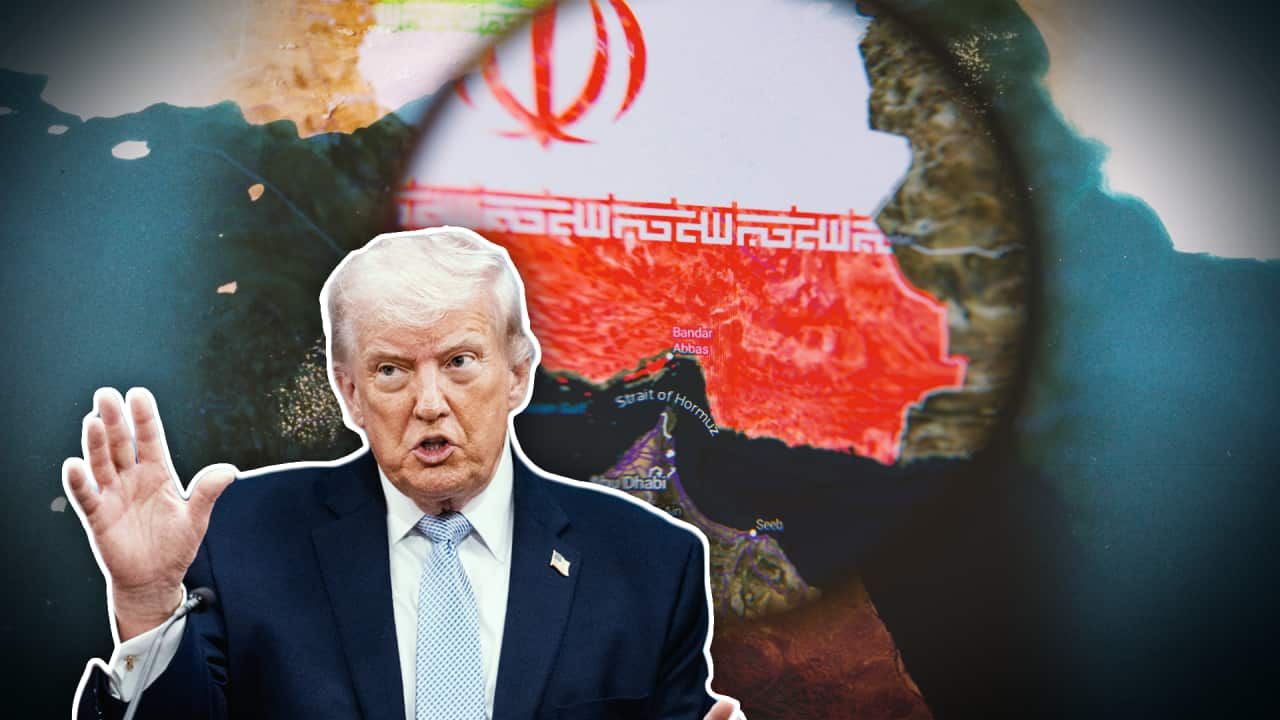
Trump announces all mines in the Strait of Hormuz have been cleared, warning Iran against future threats to maritime navigation.
US President Donald Trump recently announced that the US Navy has successfully cleared all mines from the Strait of Hormuz, a crucial waterway that has been largely closed by Iran since the onset of the ongoing conflict in the Middle East.
“Iran has been notified that any ship or boat placing new mines will be immediately and systematically destroyed,” Trump stated on his social media platform, Truth Social.
Iran has yet to respond to this declaration. The closure of the strait has resulted in significant fluctuations in global oil prices, which rely heavily on exports from this narrow passage. Trump has repeatedly asserted US control over the area, although there have been incidents where Iran has engaged vessels it claims were attempting to cross without permission.
Prior to the war that began on February 28 with US and Israeli airstrikes against Iran, approximately 20% of the world’s oil and liquefied natural gas was transported through the Strait of Hormuz. Following the closure, Iran retaliated with military action against US bases in the region, as well as against American allies in the Gulf.
As efforts for a ceasefire designed to facilitate negotiations have collapsed, sporadic exchanges of fire have continued between the US and Iran. In light of these tensions, the US has imposed new economic sanctions against Iran, with Treasury Secretary Scott Bessent warning that any nation financially collaborating with Iran would face isolation.
Iran previously signed a Memorandum of Understanding (MoU) in June, outlining a 60-day deadline to negotiate terms for the Strait of Hormuz before engaging in substantial discussions regarding the nuclear issue—an area where Tehran has been accused of pursuing weapon technology, a claim it consistently denies.
However, the deadline has passed without an agreement, prompting new sanctions from the US, which Trump believes could contribute to the downfall of the Iranian regime. Since the establishment of the Islamic Republic in 1979, Iran has faced sanctions for much of that time. Economy Minister Ali Madanizadeh stated that Tehran is “fully prepared” for the potential fallout from expanded sanctions, suggesting they would lead to yet another defeat for the US.
Meanwhile, Iran’s economy has been severely affected by the ongoing conflict and the blockade against its ports, which the US has maintained to disrupt trade.
This week, China—the largest buyer of Iranian oil—voiced strong opposition to what it termed the US’s “illegal unilateral sanctions,” indicating that it would take all necessary measures to protect its interests.
These US announcements arrive just ahead of scheduled talks between Trump and Chinese President Xi Jinping next month, raising concerns about possible retaliatory measures from Beijing, which holds a majority of the world’s rare earths and essential minerals.
Iran expressed its intention to establish full control over the Strait of Hormuz, opposing views held by the US and several other nations, which assert that the passage should remain open for international traffic, reflecting its status prior to the conflict.
Previously, Iran and Oman were in discussions to create a management mechanism for the strait; however, these negotiations have yet to yield positive results. Last week, Trump threatened military action against Oman if it interfered with ongoing talks regarding the Strait.
Omani Foreign Minister Badr Albusaidi expressed hope for the imminent announcement of a temporary shipping corridor in the strait following a meeting with Iranian counterpart Abbas Araghchi in Tehran. He mentioned expectations for “practical arrangements” designed to restore safe navigation, with permanent solutions to follow.
Araghchi confirmed the discussions, highlighting the focus on the future administration of the strait as well as establishing frameworks for a new corridor and a mine-clearing operation.
During a state television interview, Iranian Deputy Foreign Minister Kazem Gharibabad noted that the proposed corridor would allow ships to pass through Iranian waters on both routes, although the US-recommended south corridor, located near Oman’s coast, would be prohibited under the new agreements. He emphasized that no military vessels would be permitted in the strait, reserving access only for commercial ships. Gharibabad described the route as “temporary,” adding that Iran and Oman would negotiate terms for a permanent corridor within a 60-day timeframe.
He also warned that if Iran’s requests are not met, the Strait will be closed once more.
Keep in touch with our news & offers
Subscribe to Our Newsletter
Thank you for subscribing to the newsletter.
Oops. Something went wrong. Please try again later.