Melkisedek Kaijage, a Tanzanian lecturer, faces terrorism charges after his arrest linked to anti-government protests demanding democratic reforms.
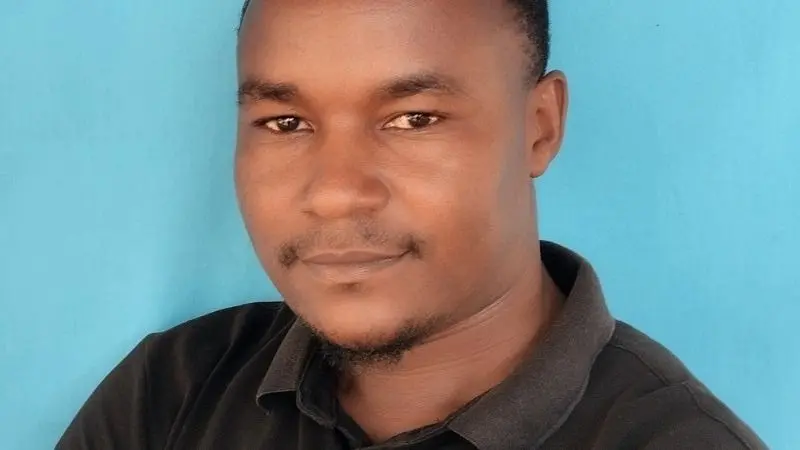
Melkisedek Kaijage, a Tanzanian lecturer, faces terrorism charges after his arrest linked to anti-government protests demanding democratic reforms.
A Tanzanian university lecturer, Melkisedek Kaijage, has been charged with terrorism following his arrest over allegations of inciting anti-government protests. Kaijage, who teaches at the University of Dodoma, had appeared in magistrate’s court seeking bail after spending 15 days in police custody when the charges were amended.
The academic is among more than 130 individuals arrested in connection with planned protests that called for democratic reforms and justice for victims of a post-poll crackdown last year. The protests scheduled for July 7 were ultimately banned and did not occur.
Kaijage will remain in custody until his trial as terrorism charges typically do not allow for bail. At Thursday’s hearing, he was not asked to enter a plea, as the case must be heard by a higher court.
His arrest came a day after the planned demonstrations, which authorities had prepared for by deploying security forces across major cities in Tanzania. Officials had issued warnings against any actions that could incite unrest.
Prosecutors allege that Kaijage threatened to burn public buildings as part of intimidation tactics linked to the protests. Tanzanian law imposes severe penalties for offences related to terrorism, including recruiting or supporting terrorist groups, with convictions potentially resulting in prison sentences ranging from 10 years to life imprisonment.
Gerald Shija, chairman of the University of Dodoma Academic Staff Association (Udomasa), revealed that Kaijage has been moved from police custody to Isanga Prison in Dodoma. Colleagues regard him as a respected lecturer, noting that his popularity stems from his teaching, not political activism.
This case forms part of a larger crackdown by Tanzanian authorities on opposition figures and activists critical of President Samia Suluhu Hassan. Last month, the government suspended all political rallies nationwide, citing security concerns.
During protests that erupted following the results of the October 29, 2025 election, a commission of inquiry reported that 518 people died due to “unnatural causes,” including 197 who were shot dead. The circumstances surrounding these events shocked a nation that has long prided itself on stability and calm.
President Samia was declared the election winner, securing 98% of the vote amid allegations from the opposition that the electoral process was a “mockery” of democracy. Her two main challengers were barred from participating in the elections. While the president claimed that the election was fair and transparent, she attributed the ensuing violence to foreign involvement and alleged plots against her administration.
Keep in touch with our news & offers
Subscribe to Our Newsletter
Thank you for subscribing to the newsletter.
Oops. Something went wrong. Please try again later.