The Scottish Highlands are seeing a rise in tourism as travelers seek cooler holiday destinations away from heatwaves in southern Europe.
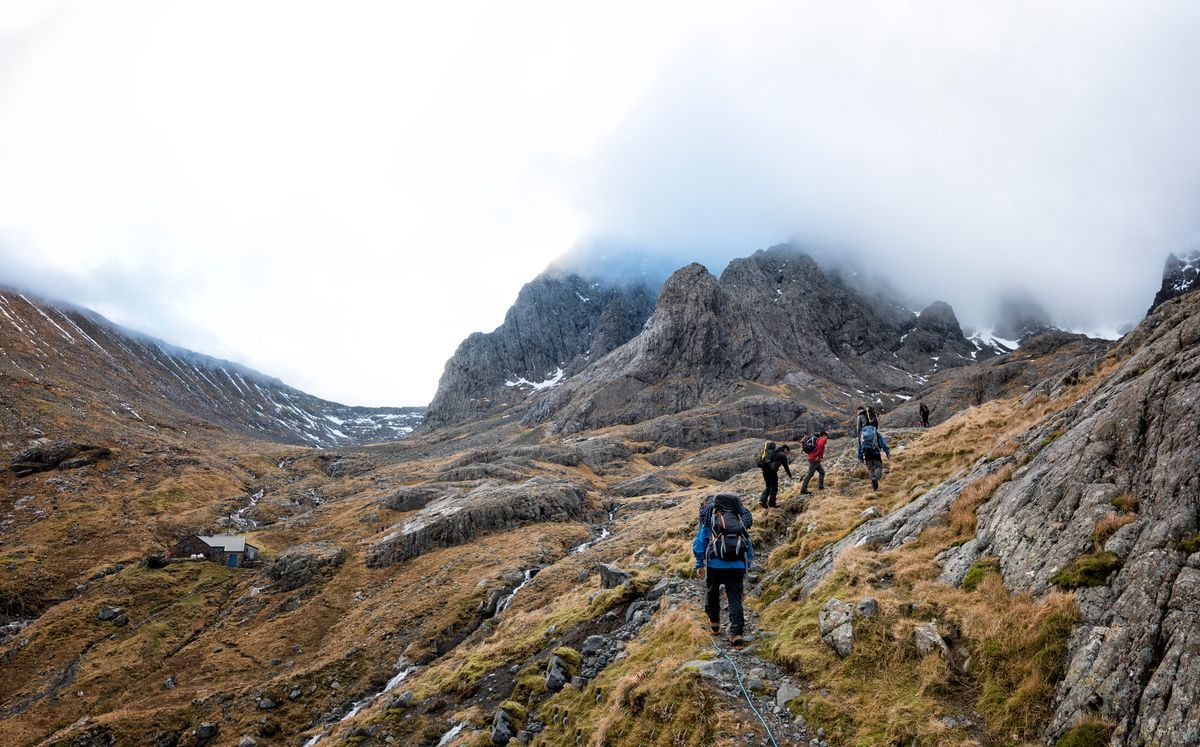
The Scottish Highlands are seeing a rise in tourism as travelers seek cooler holiday destinations away from heatwaves in southern Europe.
“People used to come to the Highlands and say, ‘it’s beautiful – shame about the weather’. Now they’re coming for the weather.”
James MacLeod, concierge at the Glencoe House Hotel in the Scottish Highlands, is discussing a noticeable change in visitor attitudes towards the region.
According to MacLeod, tourists today are less deterred by the area’s notorious midges and rainfall. “They don’t seem to care about the midges or the rain anymore,” he chuckles. “They’re just glad it’s not too hot.”
Climate change is helping to reshape summer tourism in Europe. With southern Europe facing wildfires, droughts, and uncomfortably hot weather, destinations like Scotland are emerging as attractive alternatives for those seeking a cooler getaway.
This trend is supported by data showing a 10% increase in visitor numbers to northern Europe from April to June compared to the previous year, as reported by the European Travel Commission (ETC), which encompasses national tourism bodies across the continent.
The ETC emphasized that northern Europe, which includes Denmark, Finland, Iceland, Ireland, Norway, Sweden, and the UK, has outperformed other European regions.
Travel agency Trip.com also noted a significant rise in searches for cooler vacation spots, increasing by 74% over the previous year from January to April.
Awaze, a holiday rental company, added that searches for “escape the heat” have tripled recently, while queries for “coolcations” have increased four-fold. Furthermore, Cottages.com revealed that Scotland’s vacation listings are the most viewed this summer.
Emily Bryce, operations manager at the National Trust for Scotland, mentioned that visitor numbers this season have risen by 8% from last summer. “Visitors tell us it’s refreshingly cool here compared with the south of France and Spain,” she said, noting that the temperature was just 13 degrees with drizzle on that day.
Chris Greenwood, a senior researcher at Glasgow Caledonian University’s Moffat Centre for Travel and Tourism Business Development, pointed out a significant shift among high-net-worth families choosing summer destinations. Many are opting for the Highlands over traditional locations like Tuscany.
This uptick in tourism is not confined to Scotland. Dutch coastal city The Hague is also experiencing popularity as a new “coolcation” hotspot.
However, booming tourism brings its challenges. Popular areas like Kijkduin in The Hague have faced traffic issues due to an influx of visitors, leading authorities to restrict access. Residents in Zandvoort have taken preventive measures, such as erecting fake road signs to deter tourists.
The Scottish Highlands are experiencing similar overcrowding. “It’s busier than the carpark at my local mall,” remarked Nick, a visitor from the US, noting the packed laybys in Glencoe valley, a popular scenic spot.
Other famous sites in Scotland are also struggling with visitor numbers. Greenwood described places like the Fairy Pools on the Isle of Skye and Edinburgh’s Royal Mile as becoming “victims of their own virality.”
Edinburgh has recently responded with a tourist tax, the first of its kind in Scotland, adding a 5% fee to hotel prices, expected to raise up to £50 million annually. “We know that the city’s popularity comes at a cost through the pressure it puts on our services and on the people who live and work here all year round,” stated Edinburgh Council Leader Jane Meagher.
The National Trust for Scotland in Glencoe is working to accommodate the growing numbers by expanding parking and investing in new cycling routes, as well as planning a park-and-ride system.
Despite the tourism boom, Scotland is not immune to the environmental impacts of this summer’s dry conditions, with wildfires affecting areas like the Cairngorms National Park and Arthur’s Seat.
Meanwhile, Glencoe Mountain Resort has adapted its offerings due to unreliable winter snow, now utilising its chairlift for mountain bikes instead of skiers.
The popularity of the Scottish Highlands poses a vital question about conserving the area’s wilderness for future generations, particularly as visitors flock to capture picturesque moments. As the landscape changes, ensuring balance between tourism and preservation remains a challenge.
Correction 27 July: This article was corrected to state that Edinburgh was the first city in Scotland to introduce a tourist tax, and not the first in the UK.
Those looking for outdoor adventures this summer are also finding long waits at popular hiking spots, with an increasing number of visitors taking to the trails.
As consumers trend towards cooler drink options, coffee chains are quickly adapting to meet their demands.
Questions remain about the recent drought’s impact and how England will safeguard its future water supply.
Keep in touch with our news & offers
Subscribe to Our Newsletter
Thank you for subscribing to the newsletter.
Oops. Something went wrong. Please try again later.