Russia’s supreme court prohibits anti-war party Yabloko from elections, intensifying repression against dissent as conflict continues.
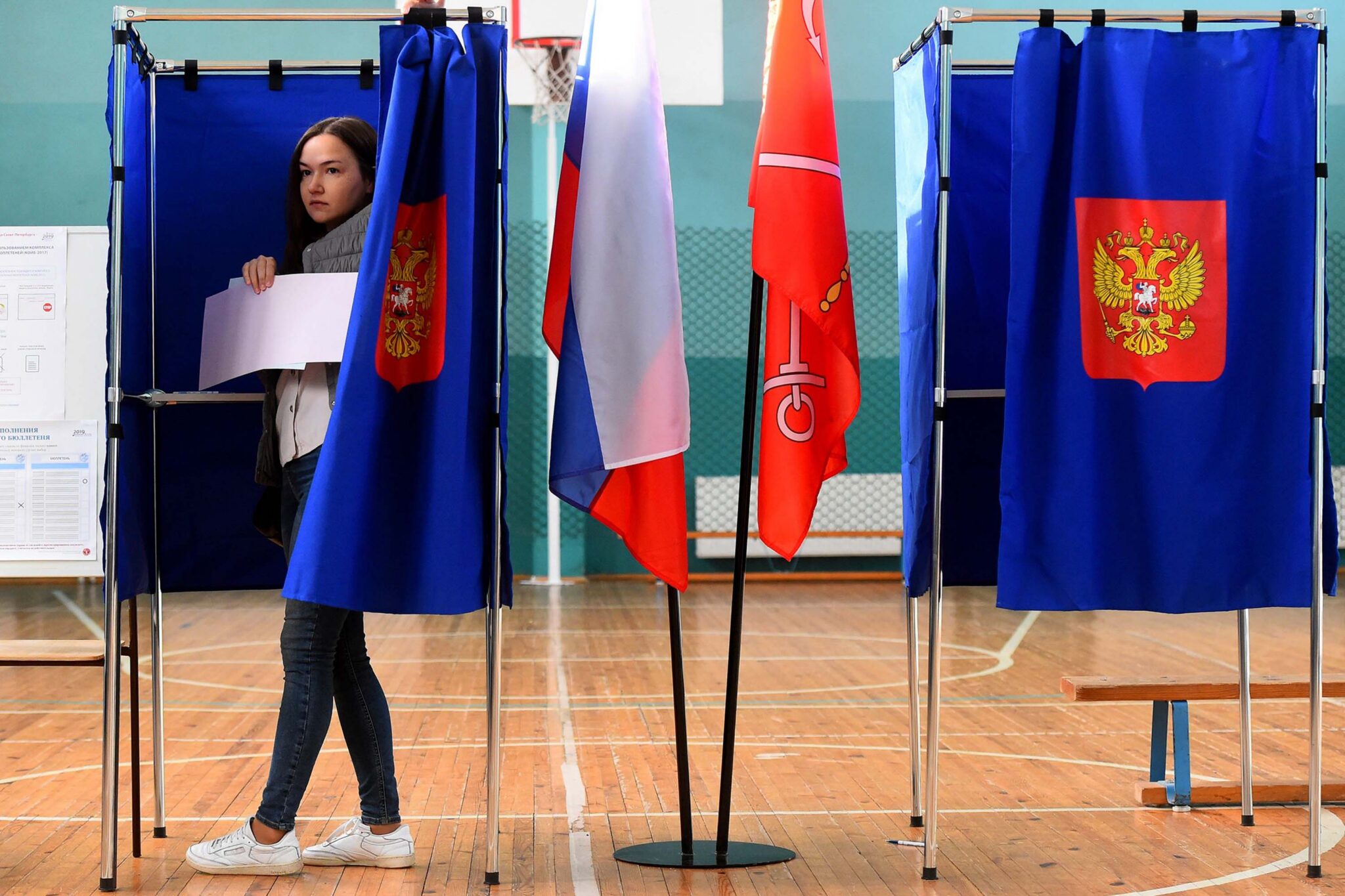
In a significant move against political dissent, Russia has barred all candidates of Yabloko, the last remaining anti-war party, from participating in the upcoming September elections. This decision follows a ruling by the supreme court that upheld a suit from a pro-Kremlin nationalist party, Roblina, effectively stripping voters of their last opportunity to express opposition to the war against Ukraine.
With most of President Vladimir Putin’s adversaries either imprisoned, exiled, or deceased, Yabloko remains the only liberal party functioning within the Russian political landscape. Any alternative choices outside of Putin’s ruling United Russia party are only permitted if they lack the strength to pose a genuine threat to the regime. Following the announcement, a small group of Yabloko supporters, primarily young individuals, gathered outside the courthouse, expressing their discontent with chants of “Shame! Shame!”.
Nikolay Rybakov, the leader of Yabloko, stated that the party plans to appeal the court’s decision. During an interview with Agence France-Presse, he revealed that around 40 party activists are currently facing legal repercussions for their opposition to the war. Meanwhile, Maxim Kruglov, the party’s deputy leader, received a seven-year prison sentence in June, attributed to his social media posts, and Rybakov himself has been fined and banned from the elections due to a photograph of Alexei Navalny, a prominent opposition figure.

While domestic dissent is curtailed, independent polls indicate that a majority of Russians support peace negotiations with Kyiv. This political suppression occurs amidst ongoing violence, with Russian missiles and aerial bombardments claiming five lives and injuring approximately 20 individuals in the southeastern Ukrainian city of Zaporizhzhia early Tuesday. Concurrently, military leaders in Kyiv reported devastation to warehouses in a central district of the capital due to missile strikes, resulting in at least one injury.
In the conflict’s escalation, a Ukrainian MiG-29 fighter jet was downed during a combat mission after a missile malfunction caused it to catch fire. Fortunately, the pilot managed to eject safely and is currently receiving medical attention. Furthermore, Ukrainian intelligence has raised alarms about the rapid deployment of a Russian alternative to Starlink, named Rassvet. This system, aimed to offset the U.S.-based system’s prohibition, has already launched 16 satellites, with expectations of 292 satellites operational by 2027.
On the production front, Russia has reportedly met its annual missile production targets within the first seven months of 2026, aiming to increase its output by over 10%. Conversely, Ukrainian facilities focused on ballistic missile and drone production have become priority targets in Russia’s ongoing missile campaigns. In response to the conflict, a drone strike by Ukrainian forces set ablaze the Taneco oil refinery located 750 miles from the Ukrainian border, resulting in at least 13 confirmed fatalities.
Additionally, as the conflict impacts agricultural exports, Ukraine is exploring alternative routes for grain shipments via Moldova, contemplating a 50% discount on rail freight to the Romanian port of Constanța. This strategic shift aims to secure a working corridor that could facilitate 10% of Ukraine’s export needs, with discussions ongoing between Moldovan and Ukrainian ministers.