
Family package holiday prices drop for Dubai and Egypt amid rising European costs, attracting cautious travelers as the region stabilizes.
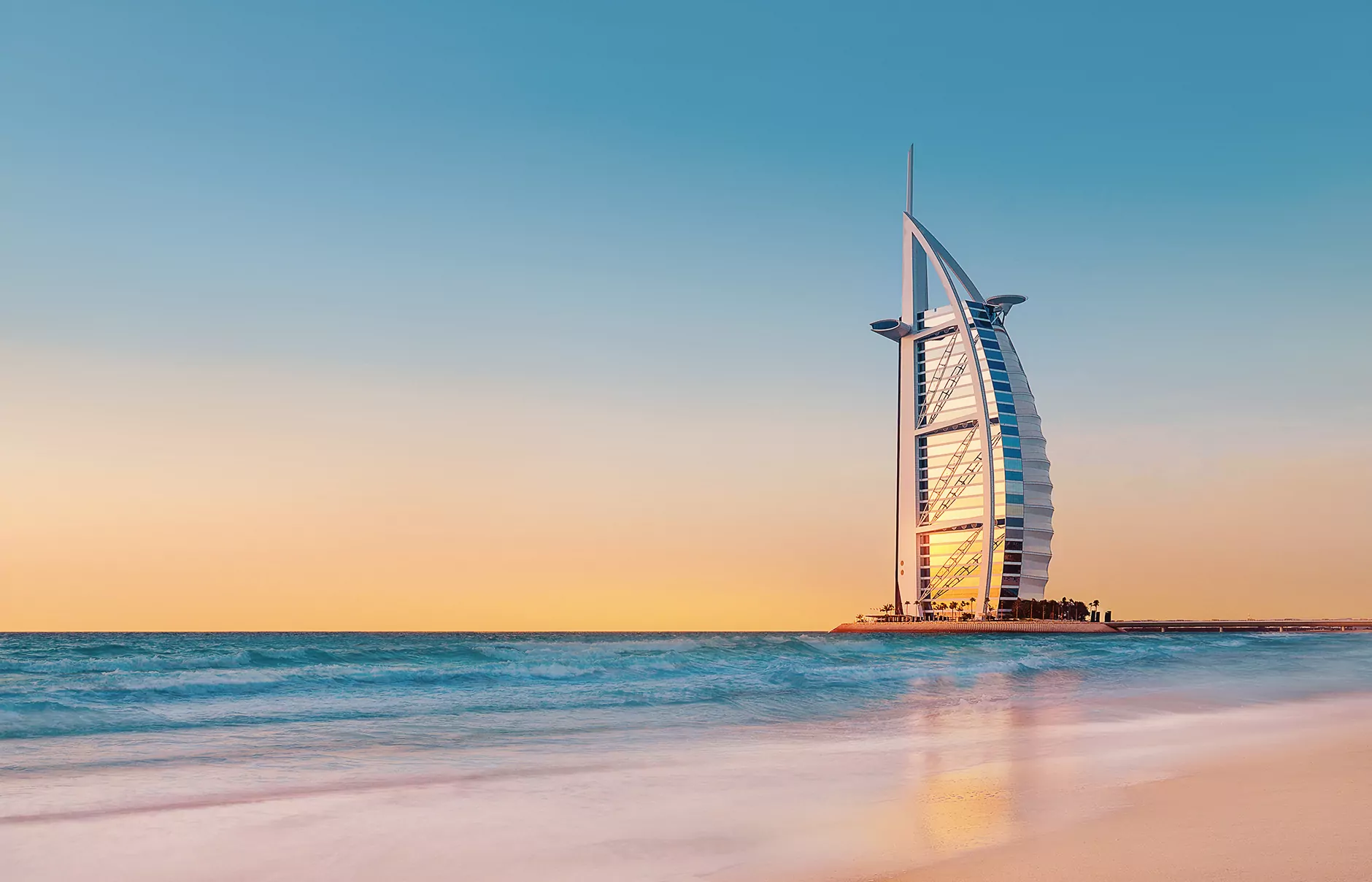
Family package holiday prices drop for Dubai and Egypt amid rising European costs, attracting cautious travelers as the region stabilizes.
Family package holidays to destinations like Dubai and Egypt have become more affordable this summer compared to last year, as tour operators lower prices to encourage bookings. The ongoing conflict in Iran has deterred many UK travelers from visiting nearby countries or flying through Middle Eastern airspace, leading to a shift in interest towards European destinations.
Data from TravelSupermarket indicates that the average cost of a seven-night all-inclusive family trip to the United Arab Emirates (UAE) has plummeted by 25% this August compared to the previous year. Egypt has also seen a reduction of 8% for similar holiday packages.
On the other hand, the cost of package deals to popular European locations, such as Spain, Portugal, and Greece, has increased by 3-5%, reflecting a contrasting trend.
In light of the situation, Tim and Natalie Harris from Swansea decided to cancel their planned trip to Dubai following the outbreak of war in Iran, which resulted in their losing their deposit. “We did manage to find a package for £6,400 for all-inclusive in Mexico which we’ve booked,” Tim mentioned.
Recently, the Foreign Office eased its travel advice regarding Dubai after the US and Iran reached a ceasefire agreement, but it cautioned travelers that conditions in the region remain uncertain.
To entice families, tour operators have cut prices for other favored destinations as well. The average holiday in Morocco is down by 6.5%, while Tunisia and Turkey have seen decreases of 2.5% and 1.6%, respectively.
Mollie Hitchen, assistant manager at Marple Travel Hyde, noted that travelers are increasingly anxious about visiting locations near the Middle East or potentially facing delays due to fuel shortages. “People will ask questions, but we just reassure people that there are absolutely no problems with those destinations,” she stated.
Flora Badger, preparing for her summer trip with three teenage girls, initially thought about booking in April to take advantage of lower costs before the peak season. However, worries about the Middle East situation led her to delay her reservation. Eventually, she settled on a trip to Lanzarote in September, expressing her frustrations over price hikes during school holidays.
“Price was a huge, huge issue,” Flora noted. “It’s very frustrating how much it increases in the school holidays. At the end of the day, they need a treat; we’ve been saving for it, and they’ve been looking forward to it, so we’re planning on going.”
Despite slight decreases in holiday costs for certain regions, European vacations are still more expensive than before. For instance, the average seven-night family stay in Spain this August costs 4% more, totaling £155 per person. Portugal’s holiday prices are up by 3%, while Greece has seen a 5% increase.
The data reflects general trends based on online searches conducted by TravelSupermarket, highlighting variations in costs depending on specific locations and booking times.
Fortunately for travelers, hiring a car has become cheaper across many popular destinations compared to last year, thanks to a slowdown in new car production post-pandemic. “It was cheaper to go for a hire car than to do transfer costs from the airport for four people,” Flora added.
Richard Slater, managing director of Henbury Travel Limited, reported a surge in bookings since the ceasefire agreement, suggesting that travel anxiety may be waning. “Over the last week, we’ve done about a month’s worth of bookings. That’s a mix of last-minute bookings to the Mediterranean, and we’re also seeing significant cruise bookings,” he confirmed.
Reflecting changing consumer preferences, he noted a trend where families are opting for shorter vacations, often combining them with city breaks. “Two weeks used to be the norm, and now you could count on two hands the number of two-week beach holidays we sell. It’s more like eight, nine, and ten nights, coupled with a quick city escape for two or three nights as well,” he explained.
Travelers are not only switching destinations in search of better value but also exploring new locations with rising popularity, such as Montenegro, Malta, and Madeira.
Keep in touch with our news & offers
Subscribe to Our Newsletter
Thank you for subscribing to the newsletter.
Oops. Something went wrong. Please try again later.