Norway’s sovereign wealth fund reports a $184 billion profit, boosted by Asian tech stocks and significant investments in companies like SpaceX and Nvidia.
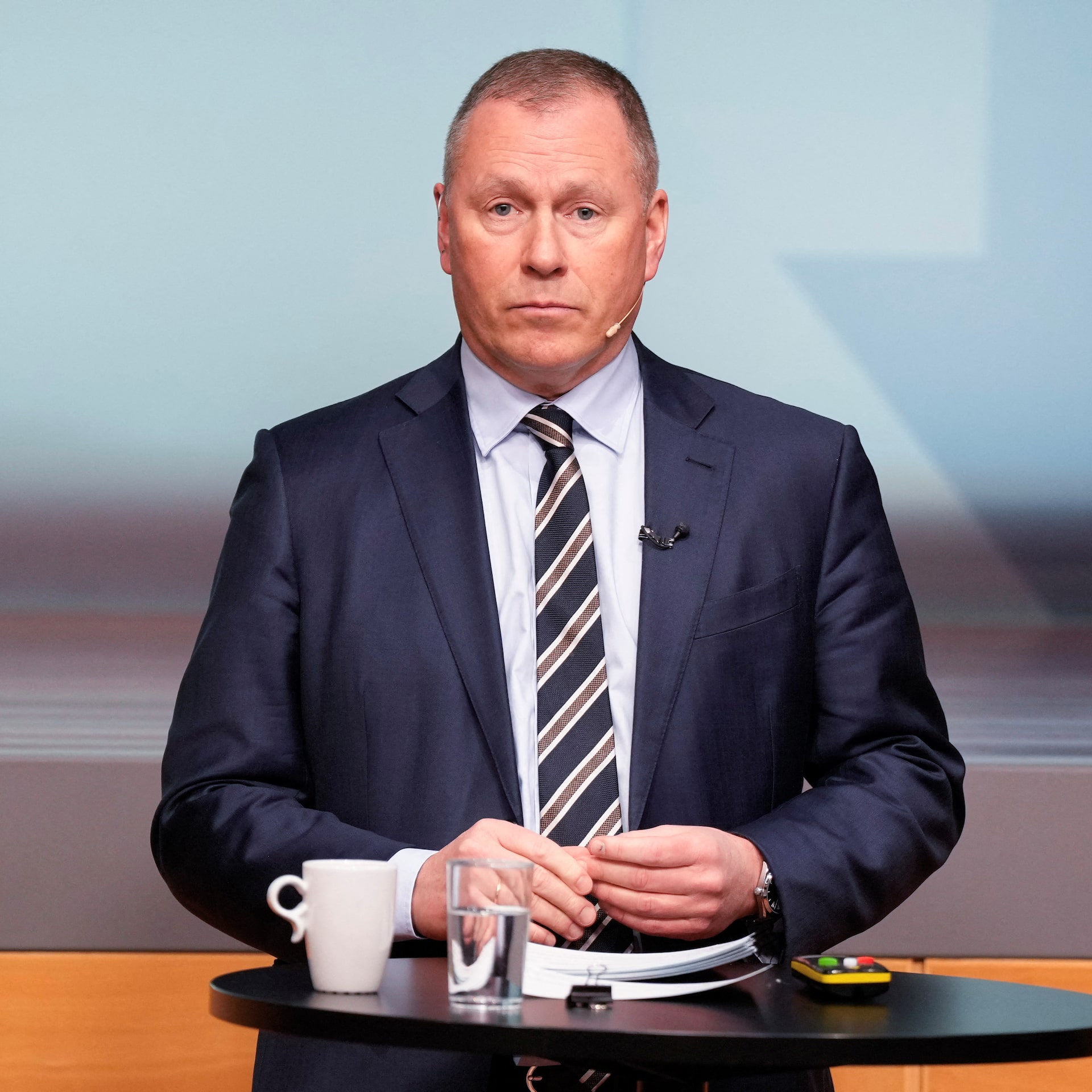
Norway’s sovereign wealth fund reports a $184 billion profit, boosted by Asian tech stocks and significant investments in companies like SpaceX and Nvidia.
Norway’s $2.3 trillion sovereign wealth fund announced a record profit of over $184 billion for the first half of the year, attributing this success to a significant rally in Asian technology stocks, which helped the fund return 9.4%.
Managed by Norges Bank Investment Management (NBIM), the fund was established in the 1990s to invest revenues from Norway’s oil and gas sector. Currently valued at around $2.34 trillion, it holds interests in more than 7,000 companies worldwide and possesses stakes amounting to approximately 1.5% of the total market value of publicly listed stocks.
The profit for the first six months of 2026 equates to more than 1.75 trillion Norwegian kroner, translating to about $184.9 billion.
According to Nicolai Tangen, CEO of NBIM, the result is driven primarily by strong performances in the equity market, particularly from Asian technology stocks. “The result is driven by good returns in the equity market, particularly from Asian technology stocks,” Tangen stated in a recent announcement.
With equities comprising over two-thirds of the broader portfolio, the fund also invests in fixed income, real estate, and renewable energy infrastructure. In a notable reveal from the recent report, the fund disclosed for the first time a 0.05% stake in SpaceX, valued at just over $1.2 billion. While this stake is relatively minor compared to other holdings, it marks a significant investment in companies led by Elon Musk.
Moreover, the fund holds a 1.3% stake in Nvidia valued at around $61.8 billion, and a 1.2% stake in Apple, estimated at $52.7 billion as of June 30. Notably, the sovereign wealth fund also reported a 1% stake in Tesla, worth approximately $15.7 billion at the end of the reported period.
However, the relationship between Musk and NBIM has had its complications. In 2024, NBIM voted against Musk’s historic $56 billion pay package from Tesla. It was later revealed that Musk declined an invitation from Tangen to a dinner and conference in Oslo, resulting in a public exchange of messages reflecting tensions between them. In a text message, Musk expressed frustration, stating, “When I ask you for a favor, which I very rarely do, and you decline, then you should not ask me for one until you’ve done something above nothing to make amends. Friends are as friends do.”
In response to criticism regarding Musk’s compensation, NBIM remarked, “While we appreciate the significant value created under Mr. Musk’s visionary role, we are concerned about the total size of the award, dilution, and lack of mitigation of key person risk—consistent with our views on executive compensation.” They further emphasized their intention for constructive dialogue with Tesla on these issues.
During a press conference, Deputy CEO Trond Grande avoided commenting on the specifics of individual stock positions, including the fund’s investment in SpaceX. He noted that the fund owns thousands of companies and that stock performance fluctuates on a regular basis. Tangen, while highlighting the semiconductor sector’s impact on growth, remarked, “Chips, chips, chips, chips.” He pointed to a chart showcasing the highest-performing stocks in their portfolio, which included renowned names like Samsung, SK Hynix, TSMC, ASML, Intel, and Nvidia.
Despite a volatile environment, the fund reported fluctuations in its equity investments, with a decline of 2.6% in the first quarter driven by concerns over artificial intelligence and the U.S.-Iran conflict. However, a robust resurgence in the second quarter saw their equity holdings rally by 15.98%, resulting in a favorable first-half return of 12.95%.
At Norway’s Arendalsuka conference, Tangen referred to the sovereign wealth fund as a “piggy bank for the whole of Norway” but cautioned that the nation must be prepared for fluctuating values. He warned, “Can the fund disappear? The answer to that question is ‘yes’ — and the worst part is that in the world we live in today, it is fairly likely. There is no country in history that has managed to hold on to a large financial fortune over time. Fortunes are always lost in the end.”
Keep in touch with our news & offers
Subscribe to Our Newsletter
Thank you for subscribing to the newsletter.
Oops. Something went wrong. Please try again later.